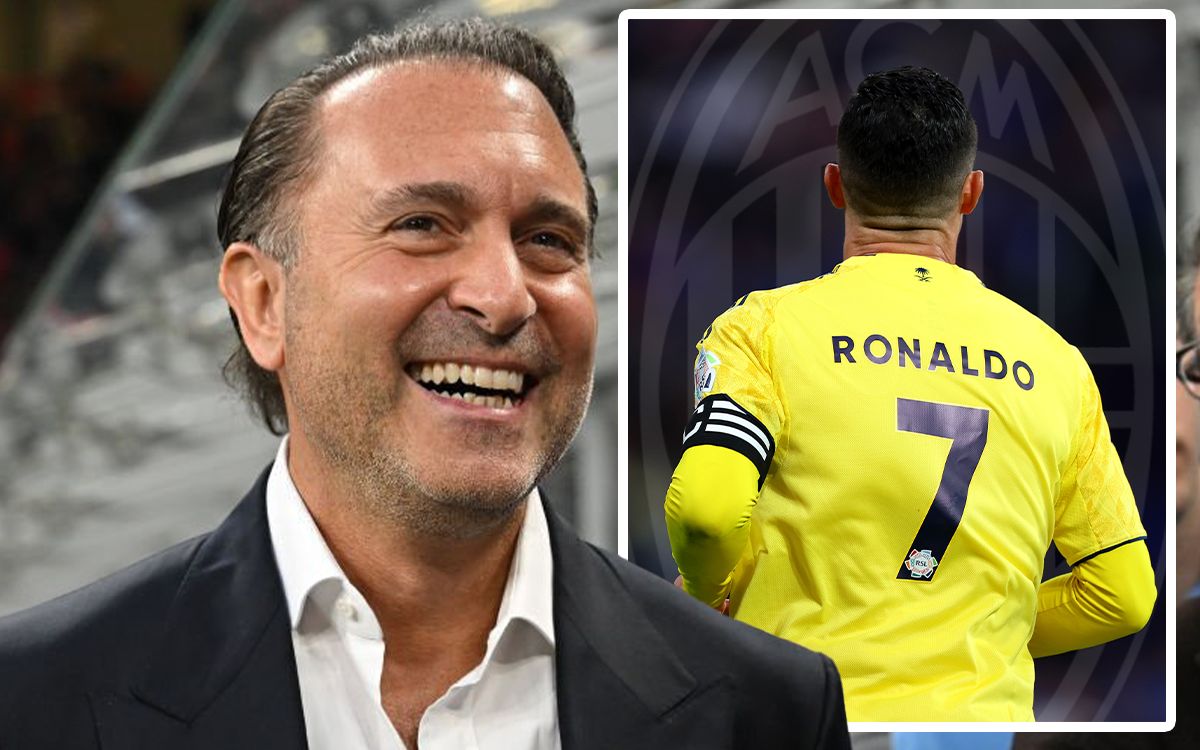
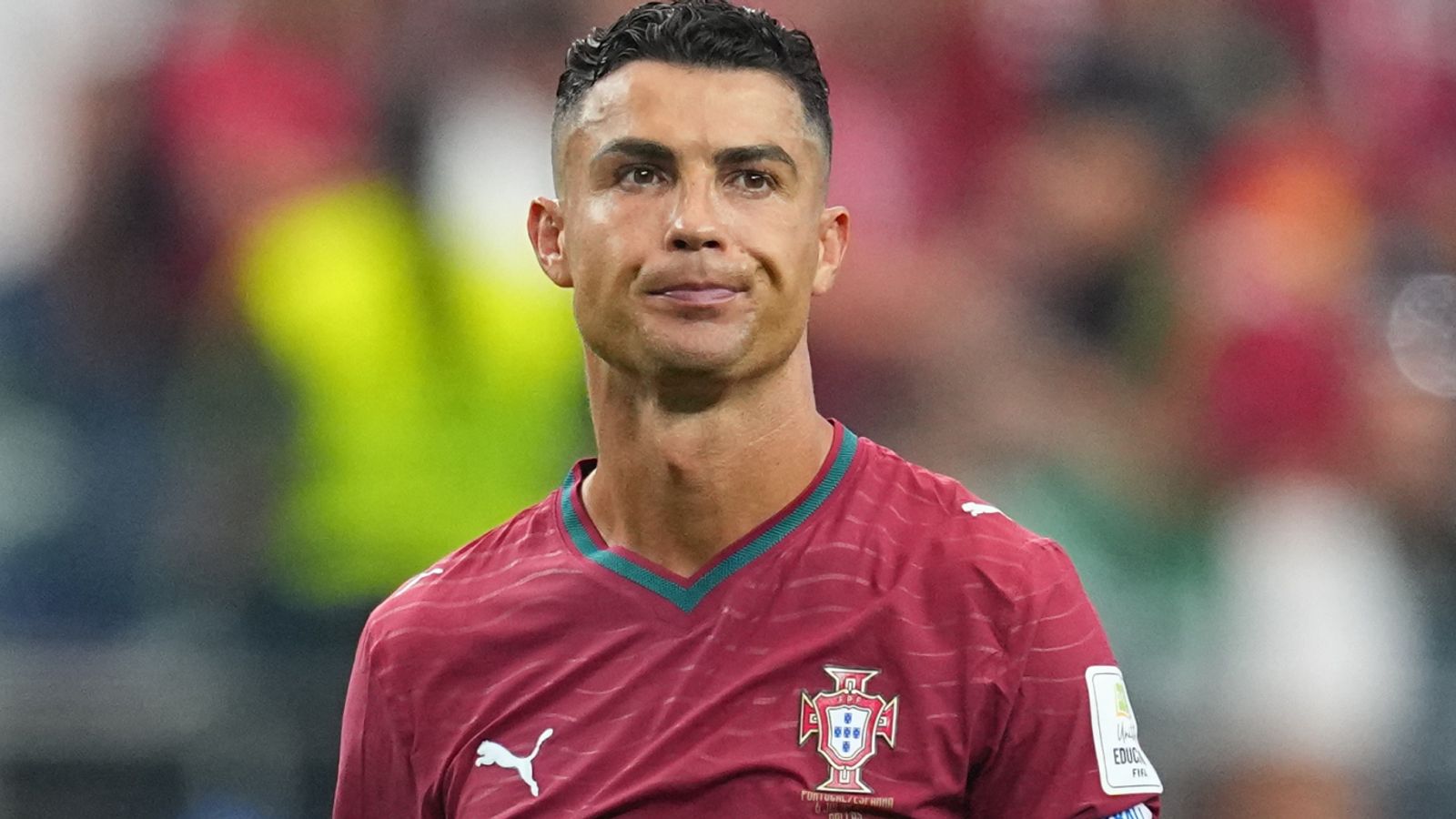
A Match Made in Tactical Hell
Before the substitution that shook Toronto, the match itself was a grind. Portugal started the game with all the urgency of a teenager cleaning their room. The midfield was a traffic jam of talent, with Bruno Fernandes and Bernardo Silva repeatedly occupying the same blade of grass. Croatia, led by a timeless Luka Modrić, looked much more comfortable in the Toronto heat. They kept their shape, moved the ball with quiet menace, and waited for Portugal to trip over their own shoelaces. That moment arrived early in the second half. In the 53rd minute, Ivan Perišić found himself unmarked in the penalty area. He caught the Portuguese defense sleeping and fired a low shot past Diogo Costa. The Croatian contingent in the stands erupted, and Portugal looked dead in the water. Martínez's side has struggled for identity all tournament. They play like eleven brilliant soloists who refuse to look at the conductor. The talent is undeniable, but the execution is painfully sluggish.The Spot-Kick and the History Book
Then came the 67th minute, and with it, the VAR drama that changed the course of the match. Renato Veiga made a darting run into the box, drawing a clumsy challenge from a Croatian defender. The referee initially waved play on, but the video assistant had other ideas. After a tense review on the pitchside monitor, the penalty was given. There was never any doubt about who would take it. Ronaldo stepped up, shoulders back, taking his signature deep breaths under the glare of the stadium lights. He smashed the ball home in the 68th minute, sending the goalkeeper the wrong way. It was a historic moment—Ronaldo’s first-ever knockout goal in a World Cup. The celebration was vintage, a roaring release of pressure from a man who has carried his country's hopes for two decades. According to the Sky Sports live coverage, that goal meant everything to the veteran striker. He looked like he had just won the trophy itself. But the joy was short-lived.The Onslaught and the Wall
Immediately after the equalizer, Croatia went for the throat. They dominated the midfield and carved open Portugal's backline with alarming ease. If it wasn't for Diogo Costa, the match would have been over before the 80th minute. In the 75th minute, Mateo Kovacic rattled the post with a ferocious drive from the edge of the box. The ball bounced right back to him, but Costa reacted instantly to block the rebound. It was a breathtaking double save that kept the scoreline at 1-1. Three minutes later, Costa was at it again, making himself massive to deny Mantanovic from close range. The Portuguese defense was playing like they had just met in the parking lot before kickoff. Renato Veiga was repeatedly beaten on the flank, looking completely out of his depth. Croatia actually put the ball in the net in the 80th minute when Sucic fired home. The stadium held its breath again, but the linesman’s flag was raised immediately. VAR confirmed the offside, giving Portugal another temporary reprieve.The Hook Heard Round the World
Just two minutes after that disallowed goal, Martínez made the call that will define his tenure. In the 82nd minute, the board went up, and Rúben Neves began jogging onto the pitch. Ronaldo’s number was flashing red. Ronaldo’s reaction was not the usual theatrical fury. It was worse. It was a quiet, heavy realization that his destiny was no longer in his hands. As Sky Sports commentator William Bitibiri noted during the broadcast:Ronaldo wasn't happy. He never is when he comes off. That's been true for 20-odd years. His face was less a picture of frustration and more of a sadness or resignation. It's now out of his hands. If his team-mates can't go in front, we may have seen the last of Ronaldo at a World Cup.It was a shocking visual. The guy who has spent his life writing his own scripts was forced to watch the climax of the play from the bench. Martínez was gambling his entire career on Rúben Neves keeping the midfield tight while the attack was left without its spearhead.
Ten Minutes of Terror
The fourth official signaled ten minutes of stoppage time. Ten minutes for Portugal to find a hero, and ten minutes for Ronaldo to chew through his fingernails on the bench. The camera kept panning back to him, looking like a king who had been locked out of his own castle. In the 88th minute, Sucic toyed with Veiga once more before sending a looping cross to the back post. Pasalic arrived with steam engine momentum but somehow headed wide when it seemed easier to score. Portugal was surviving by the absolute skin of their teeth. Portugal had one golden chance to steal the victory in the 90+1 minute. Rúben Dias got his head to a corner kick, but his effort looped harmlessly off target. The whistle blew shortly after, sending this chaotic mess into extra time. Let’s be honest about what we are seeing here. Portugal has a squad loaded with elite talent, yet they look completely rudderless. Martínez has turned a Ferrari into a minivan. Subbing off Ronaldo is a move you only make if you are absolutely sure of the outcome. If Portugal loses in extra time or goes down in a penalty shootout, Martínez will be roasted from Toronto to the Algarve. He took away the one player who thrives under the heaviest pressure. Croatia, on the other hand, is the team that simply refuses to die. They have made a living out of dragging opponents into deep water and drowning them. With Modrić still pulling the strings at age forty, they look ready for another thirty minutes of warfare. We are about to find out if Martínez is a tactical visionary or a manager who just committed career suicide. The legend is on the bench, the midfield is clogged, and the Croatians are circling. Pull up a chair, because this is about to get very ugly.Read Next
- Cristiano Ronaldo is finally ready to walk away from Portugal
- Portugal and Croatia face a grueling tactical battle in Toronto
- Roberto Martínez finally did what no Portugal manager dared to do
- Croatia face double injury scare in physical World Cup clash with Portugal
- 🏆 World Cup 2026 — Full Coverage Hub
- 🇵🇹 Portugal World Cup 2026 — A Seleção Hub