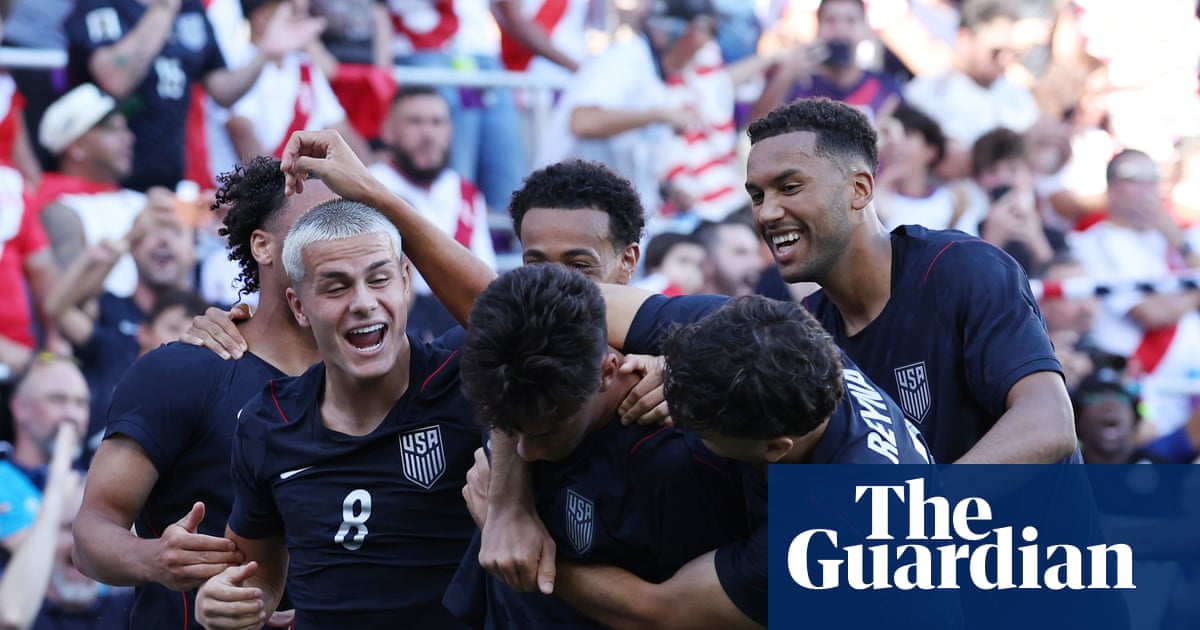
Pull up a barstool, grab a cold pint, and let's talk about the absolute circus that just folded in Seattle. The United States men's national team is out of the World Cup, sent packing by a Belgian team that did not even need their best players on the pitch to get the job done.
The final scoreboard read 2-1, but the real damage was done long before kickoff. It was a bloodbath.
For the last forty-eight hours, international football has been dragged through a political sewer. FIFA's decision to suspend Folarin Balogun's red card under a rarely-used clause in Article 27 of the Disciplinary Code was bad enough.
But watching Rio Ferdinand defend it on television was enough to make you lose your lunch. A total joke.
The one-time Manchester United legend has officially completed his transformation from a elite center-back into a corporate cheerleader. Defending the indefensible has become his new signature move.
This is no longer just bad punditry; it is a total capitulation of professional credibility. He has checked out.
The Sunday U-Turn and the Trump-Infantino Connection
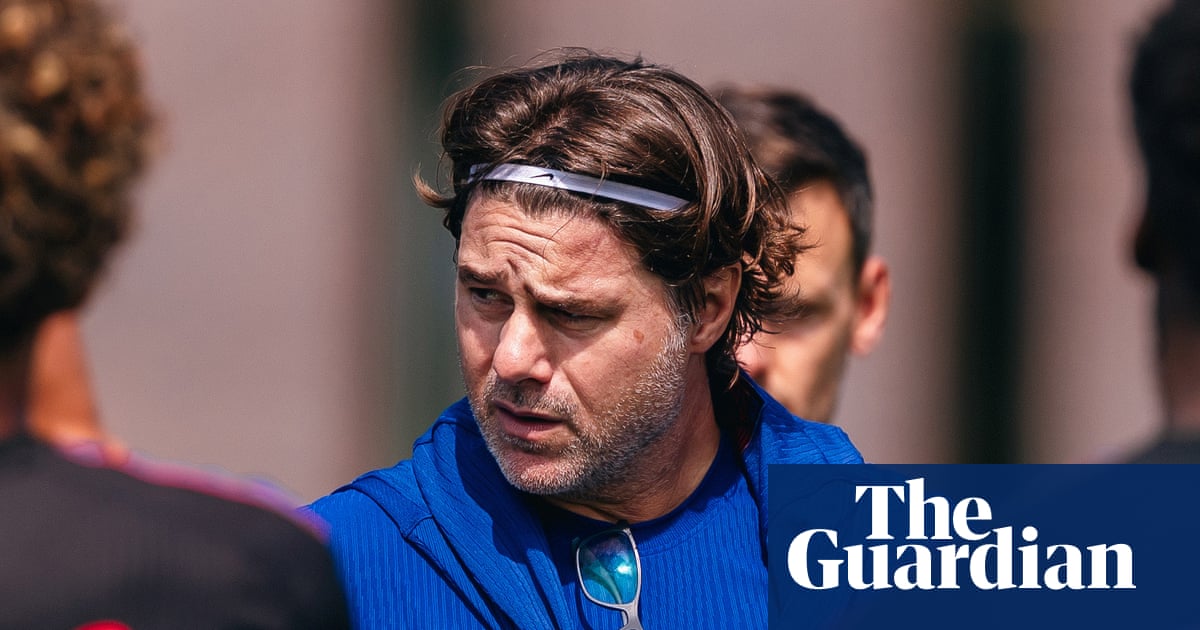
Let's recap how we arrived at this embarrassment. During the round-of-32 clash against Bosnia and Herzegovina, Balogun scored a clinical opening goal in the 45th minute. It was a fine finish that highlighted his growing influence in Mauricio Pochettino's setup.
But then the striker let his emotions override his discipline. Then came the red.
In the 64th minute, Balogun launched a reckless studs-up challenge on Tarik Muharemovic. Studs up, ankle caught, it was a clear red card.
The ten-man American squad held on to win 2-0. But the real action started in the offices of Zurich. Zurich is where the rules disappear.
On Sunday, July 5, FIFA announced that Balogun's ban was suspended. This bizarre decision followed reports that U.S. President Donald Trump and White House officials contacted Gianni Infantino directly to lobby for the player.
Trump publicly praised the decision, claiming it prevented a big stain on the tournament. Rules? What rules?
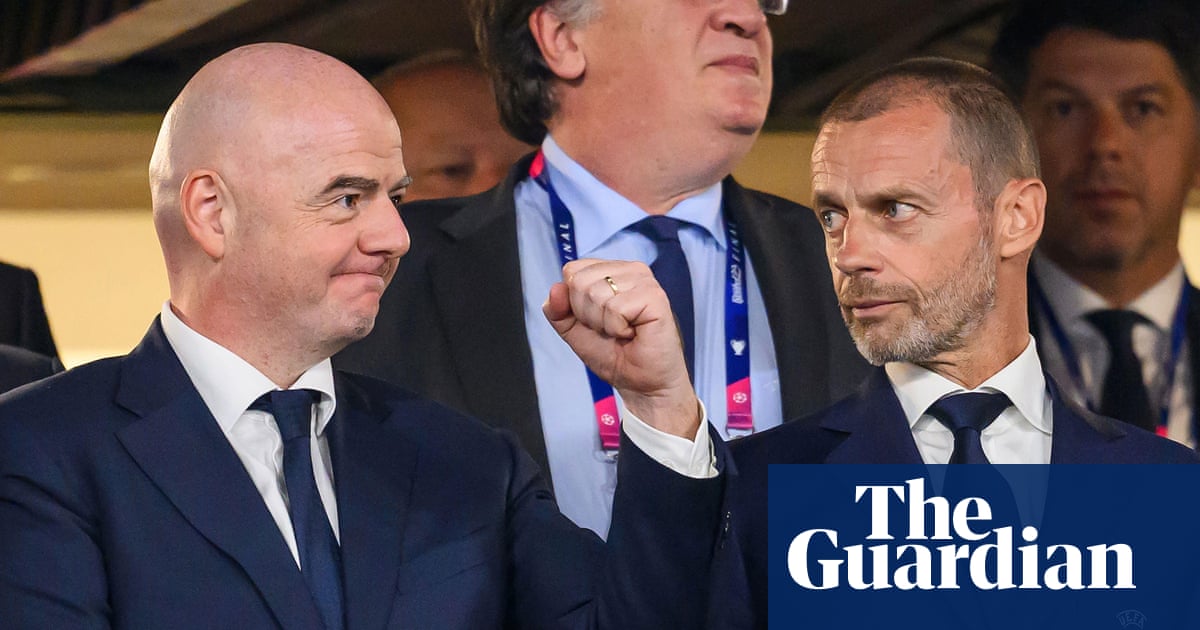
The European football community reacted with immediate, justified fury. UEFA president Aleksander Ceferin accused FIFA of crossing a red line, calling the decision incomprehensible and unjustifiable. He was right.
Belgian manager Rudi Garcia did not hold back either, targeting Zurich directly during his pre-match press conference.
“I didn't realize July 5 was equal to April Fools' Day at FIFA headquarters.”
The Belgian manager suggested the decision was a complete mockery of fair play. No filter.
Rio Ferdinand and the Art of the Corporate Shave
Rio Ferdinand and the Art of the Corporate Shave
Enter Rio Ferdinand. While the rest of the footballing world was calling out this blatant threat to sporting integrity, Rio took to the airwaves to play the role of FIFA's defense attorney.
He did not just excuse the decision; he actively celebrated it as a victory for the tournament's commercial appeal. Shameful.
His argument was as shallow as a backyard puddle. Rio insisted that fans pay to see the best players, and that host nations deserve some flexibility to keep the tournament alive.
He spoke like a marketing executive who just received a fresh batch of stock options, rather than a former England captain who knows the physical cost of a red card challenge. It was embarrassing.
It was a nauseating performance that felt more like a paid infomercial for Gianni Infantino's vision of the sport. We have seen pundits hedge their bets before, but this was a level of bootlicking that sets a new low.
Corporate shill. Nothing less.
He completely ignored the dangerous precedent this decision sets for smaller nations who never receive such favorable treatment. Rules are for losers.
Imagine if Bosnia had appealed a red card under the same article. Their paperwork would have been thrown in the Zurich recycling bin before the ink had dried.
But because it was the United States, and because the White House got involved, the rules suddenly became as flexible as warm taffy. One rule for them.
This makes the 2002 South Korea refereeing scandals look like minor officiating errors. Back then, it was bad calls on the pitch. Now, it is the U.S. government directly calling Zurich to rewrite the tournament regulations.
Ferdinand's refusal to call out this blatant corruption is the nail in the coffin for his punditry career. Fans do not tune in to watch former players read FIFA press releases.
They want honesty, raw passion, and the kind of critical analysis that holds authority figures accountable. Trust is gone.
The Contrast and the Punditry Standard
Compare Rio's sycophancy to the standards set by his peers. When Roy Keane sits in a studio, you know he would rather swallow glass than defend a corrupt backroom deal.
Gary Neville will dissect club ownership models with furious detail, and Ian Wright brings an infectious honesty that cannot be bought by corporate sponsors. Real pundits.
Even when those pundits are biased, their opinions are grounded in a genuine love for the game's competitive soul. Ferdinand has chosen a different path, one paved with corporate access and social media clicks.
His YouTube channel has become a platform for hype, lacking any real critical edge. A clickbait merchant.
This is a sad decline for a man who was once one of the most intelligent defenders of his generation. On the pitch, Rio read the game like a grandmaster, intercepting passes and organizing defenses with effortless grace.
Now, he cannot even read the room of a disgruntled football community. Sad but true.
By carrying water for Infantino, Ferdinand has alienated the very fans who used to respect his analysis. Punditry is built on trust, and once the audience realizes you are shilling for the suits, the game is over.
He has traded his reputation for a seat at the corporate table. He sold out.
Karma in Seattle: The Ultimate Football Verdict
The ultimate irony is that all the political maneuvering was completely useless. Pochettino's lawyers worked through the night, Trump made his phone calls, and FIFA bent their own rules.
All of that effort just to watch the USMNT get thoroughly outclassed on the pitch in Seattle. Karma is real.
Belgium's Maxim De Cuyper had insisted before the match that his team did not fear the hostile crowd of 80,000 supporters.
“We just have to show balls on the pitch.”
His words proved prophetic as the Belgians quietly went about their business. They exposed the defensive flaws that Pochettino has failed to fix.
Balogun's presence did not save the hosts. He looked isolated, sluggish, and weighed down by the controversy that followed him. A ghost on the pitch.
The striker, who earns $70,856 per week with Monaco, was fined $40,000 as part of the ruling. But he paid a much heavier price on the pitch.
The football gods do not care about Article 27 or political lobbying. They care about structure, passing lanes, and midfield control.
Belgium's midfield completely choked the life out of the American transition game, proving that you cannot lawyer your way to a World Cup quarter-final. Ball don't lie.
This exit is a massive reality check for U.S. Soccer. They bent the rules, sacrificed their integrity, and still ended up in the exact same place.
They are out of the tournament before the real contenders even started to sweat. It is a fitting end to a saga that has embarrassed the co-hosts on the global stage. A total embarrassment.
As for Rio Ferdinand, the road back to credibility is long. In a summer filled with high-altitude drama and historic titles, his performance in the studio will be remembered as the tournament's biggest own goal.
It is time to turn off his microphone and let the real pundits speak. Pull the plug.
Read Next
- Trump calls and FIFA loopholes overshadow USA vs Belgium World Cup clash
- FIFA just broke their own rules for the USMNT and Belgium is furious
- How the Folarin Balogun ruling is pushing FIFA and UEFA toward a bitter divorce
- FIFA throws World Cup into disarray by overturning Folarin Balogun ban
- 🏆 World Cup 2026 — Full Coverage Hub