The Gladiator of the Azteca
Walk into any sports bar in Mexico City right now and you will be hit with a wall of noise, tequila fumes, and pure belief. Mexico is co-hosting the World Cup, and they have fought their way into a massive Round of 16 showdown against England. At the center of this national madness is a 35-year-old striker who is playing with a custom-engineered skull protector strapped to his head.
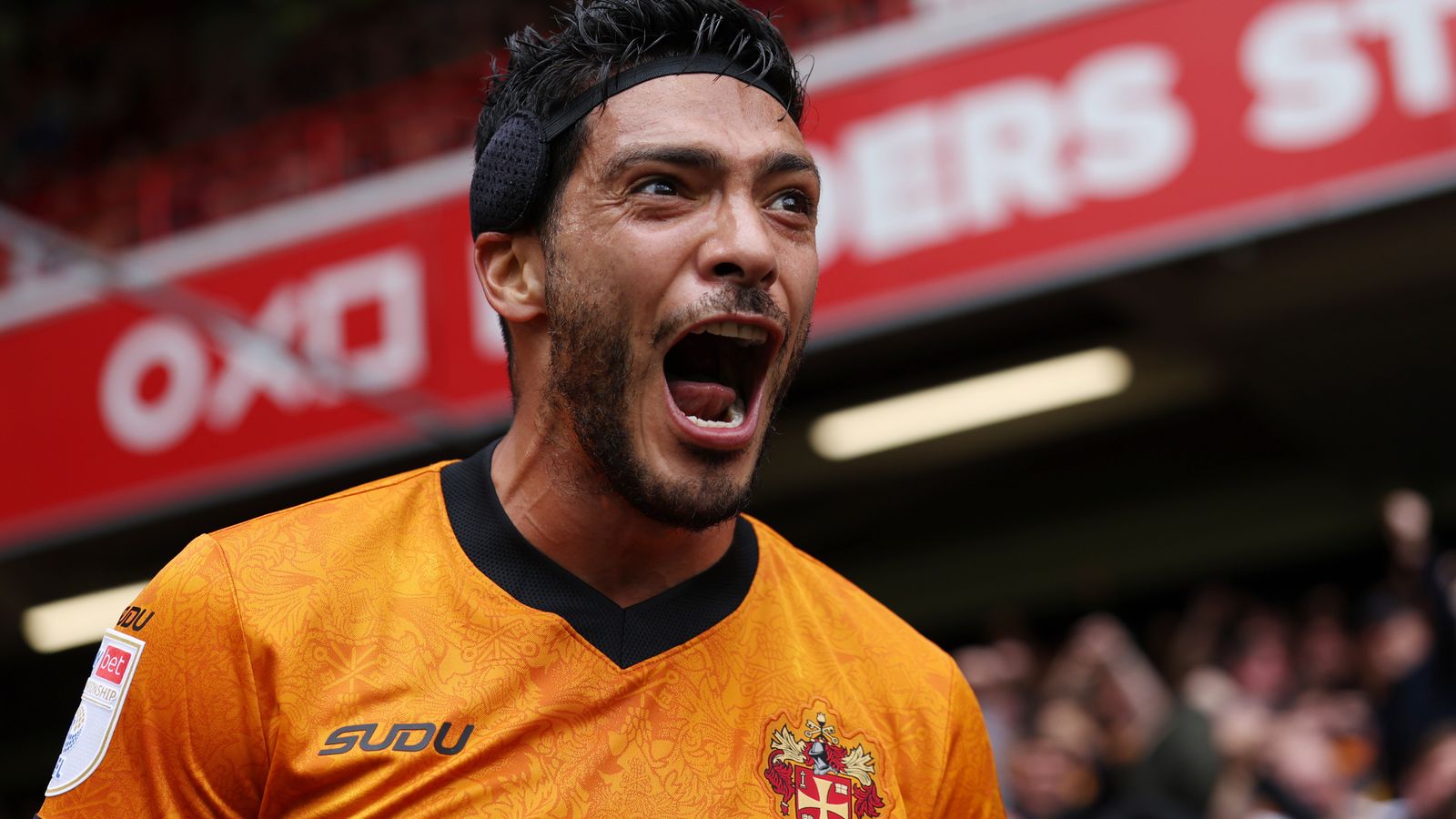
If you are watching the broadcast and wondering why Raul Jimenez looks like he is wearing a high-tech sweatband, it is not a fashion statement. As explained in the Mirror's breakdown of his protective gear, that headband is a literal shield keeping his career alive. Without it, he would be sitting in a TV studio or on a beach instead of preparing to bully John Stones in front of 87,000 screaming fans.
Jimenez is not just surviving in this tournament; he is actively cooking. He netted the opener against South Africa to set the tone, and then he put Ecuador to the sword with a clinical finish in the Round of 32. That second goal was his 47th international goal, pushing him past Jared Borgetti to become Mexico's second-highest scorer of all time.
This is a guy who was written off more times than a high-mileage rental car. To understand how he got here, we have to look back at the night his life almost ended on a cold pitch in North London.
The Night Everything Changed in North London
Let's go back to November 29, 2020. Wolves were playing Arsenal at the Emirates in a stadium eerie and empty due to the pandemic. David Luiz charged in like a runaway freight train on an early corner, completely missed the ball, and slammed his forehead directly into Jimenez's skull.
The sound was sickening. It echoed through the empty stadium like a gunshot, a dry crack signaling immediate danger. Players from both sides waved their arms frantically as Jimenez hit the grass completely limp.
For ten excruciating minutes, the medical staff worked on him in the penalty box. They administered oxygen, strapped him to a stretcher, and rushed him straight to a London hospital. While Luiz was somehow allowed to play on with a bandaged head, Jimenez was being prepped for emergency surgery to repair a fractured skull and stop the bleeding on his brain.
This was not a standard sports injury where you talk about recovery timelines and fantasy league replacements. This was a life-or-death situation where his family was praying he would just wake up and recognize them. The surgery was successful, but the road back to normal life, let alone professional football, was a massive mountain to climb.
The Long Road Back and the Technology of the Shield
When Jimenez finally woke up, the doctors made it clear his skull would never be the same. The fracture had healed, but the bone remained structurally compromised. If he wanted to play football again, he needed a custom piece of armor.
That is where the famous headband comes in. The engineering behind it involves specialized medical plastics and impact-absorbing gel designed to distribute the force of a collision. The Mirror notes the harrowing backstory behind this protective strap, which remains a permanent fixture of his kit bag.
He finally returned to the pitch in August 2021, starting for Wolves against Leicester City. He was wearing the headband, but the physical comeback was only half the battle. The mental hurdle of putting your head back into a crowd of flying boots and elbows is something most of us cannot fathom.
The headband itself changed the dynamics of his play, as heading a football with a padded strap is not the same as using bare bone. The foam dampens the impact, forcing him to generate more power from his neck muscles to get velocity. He had to completely relearn how to direct his headers, adjusting his technique to account for the extra millimeter of padding.
To put the timeline in perspective, look at the milestones that brought him back to this World Cup stage:
- November 2020: The fractured skull at the Emirates.
- August 2021: The competitive return wearing the protective gear.
- July 2023: The transfer to Fulham that saved his club career.
- June 2026: Setting the co-host Azteca on fire with his tournament goals.
He looked hesitant in those early months, pulling out of challenges and mistiming his jumps. The elite striker who once dominated Premier League defenders was gone, replaced by a player who looked terrified of another collision. He scored just six goals in that comeback season, a massive drop-off from his pre-injury form.
Resurrection at Fulham and the Aztec Dance
For two years at Wolves, the narrative was depressing. The fans loved him, but they were watching a shadow struggle through a brutal 33-game Premier League goal drought. Critics argued Wolves were playing him out of sentimentality rather than performance, which was a harsh but fair assessment.
The relationship eventually ran its course, and Fulham took a gamble on him in the summer of 2023, signing him for a modest fee of £5.5 million. It was a low-risk, high-reward move for Marco Silva's side. Many pundits thought Jimenez was finished at the top level, pointing to his declining speed and lack of physical presence in the box.
But Silva found a way to use him. Fulham used him as a target man to hold up play and bring wingers into the game rather than asking him to chase channels. He started scoring again, proving that even if his skull was damaged, his football IQ remained completely intact.
That resurgence caught the eye of Javier Aguirre, who brought him back into the national team fold. With Mexico needing a veteran presence to guide a young squad through a home tournament, Jimenez was the obvious choice. The fans at the Azteca do not care about his age; they care about his heart.
The tactical setup under Aguirre has been tailored to protect Jimenez's workload while maximizing his efficiency. Mexico does not press high for 90 minutes; they drop into a compact block and counter-attack with speed. This allows Jimenez to conserve his energy for the moments that matter inside the penalty box.
His performance against Ecuador showed exactly why this plan works. He did not run himself into the ground chasing defenders. Instead, he waited for the right moment, found the pocket of space between the center-backs, and guided the ball into the bottom corner with the composure of a veteran assassin.
Playing at the altitude of Mexico City is another challenge altogether. The thin air at the Azteca drains your lungs after a single sprint, making energy management absolutely vital for a 35-year-old forward. Jimenez's ability to stroll through matches, conserve his breath, and strike when the opposition is fatigued is a masterclass in survival.
Now, the stage is set for a massive clash against England. The English defense has looked shaky all tournament, plagued by injuries and questionable tactical setups. Jordan Pickford will be in goal, and Jimenez has a history of making the Everton keeper's life miserable during his Premier League days.
Mexico's game plan is simple: get the ball wide, cross it in, and let Jimenez do the dirty work. John Stones and Marc Guehi are not going to hold him gently just because he is wearing protective gear. They will challenge him in the air, forcing him to put that headband to the test once again.
If you think about the journey from a hospital bed in London to leading his country at a home World Cup, it is mind-blowing. Most players would have retired and taken a comfortable coaching job. Jimenez chose to fight, to strap on a piece of plastic, and to keep throwing his head at the ball.
When the whistle blows at the Azteca, the talking stops. Mexico will need their veteran forward to produce one more moment of magic. Win or lose, the guy with the headband has already won the biggest fight of his life.