
Thomas Tuchel is running out of options as England face an Azteca storm

An Atmospheric and Tactical Nightmare in Mexico City
The Storm and the Preparation Breakdown
A football match at the Estadio Azteca is always a physical trial. The altitude of 2,240 meters drains oxygen from European lungs within twenty minutes. This environment demands perfect physical preparation and meticulous management of player energy levels.
When you add a tropical storm to this equation, the challenge becomes purely systemic. The downpour has already disrupted the pre-match routines that modern managers rely on. Teams are forced to adapt to circumstances outside their tactical models.
As reported in The Guardian's live coverage, a severe storm delayed the arrival of both team buses at the stadium. This logistical failure cuts warm-up times in half. Players are left with less time to adjust their breathing and muscle readiness to the thin, humid air.
For England, this delay is a significant setback. The starting eleven will step onto the pitch without the physical activation required for high-altitude sprints. This disruption will manifest in slow recovery runs during the opening fifteen minutes.
A slick, waterlogged pitch also changes the mechanics of passing. The ball zips faster off the turf but sticks in standing water. Short, slow passes become a high-risk gamble that can lead to rapid turnovers in central areas.
Thomas Tuchel’s tactical system relies on precise, short-passing sequences from the back. An unpredictable surface at altitude will test his team's technical execution under pressure. One misjudged pass could leave the defensive line completely exposed to Mexico's counter-attack.
The Right-Back Crisis and Mexico's Pressing Blueprint
The Selection Vacuum
The storm is only a prelude to England's main structural problem. Tuchel has entered this knockout tie with a squad that contains zero fit, natural right-backs. The warning signs are clear.
As tracked on the Sky Sports live updates, Kyle Walker's calf strain has ruled him out of the match entirely. This follows Trent Alexander-Arnold's hamstring injury in the 82nd minute against Bosnia and Herzegovina. Kieran Trippier's international retirement has left the squad completely depleted in this position.
Tuchel must now choose between playing Ezri Konsa out of position or switching to a back three with Bukayo Saka at wing-back. Neither option solves the core issue of defensive spacing. The balance of the entire team has been disrupted by these forced adjustments.
If Konsa plays as a traditional right-back, England lose all attacking width on the right side. Konsa is a central defender who naturally tucks inside to form a back three during possession phases. This limits England's ability to stretch Mexico's defensive block horizontally.
This positioning invites the opponent to press England's right-sided central midfielder. Without a fullback to release pressure, England will find themselves trapped in their own defensive third. The passing angles become predictable and easy for Mexico to cut off.
On the other hand, playing Saka as a right wing-back exposes his defensive limitations. Saka is an elite winger, but tracking back fifty yards to defend his own box is not his strength. He will be forced to defend large spaces without adequate cover.
This selection crisis is a self-inflicted wound. Tuchel's decision to bring only three specialized fullbacks to the tournament has left the squad fragile. He gambled on the durability of aging players and lost.
In tournament football, depth is not just about numbers; it is about tactical flexibility. England now lack the tools to adjust their shape when the game state demands a defensive transition. The manager's squad selection has limited his own tactical options.
Mexico's Triggers and Overloads
Mexico’s coaching staff will have identified England's right flank as the primary target. Under Jaime Lozano, Mexico play an aggressive, high-pressing system that thrives on turnovers in wide areas. They will look to isolate England's makeshift defender from the kickoff.
Their primary pressing trigger is the slow, lateral pass to a makeshift fullback. When England cycle the ball to Konsa or a central midfielder covering the wide zone, Mexico's front three will press immediately. They will close the passing lanes to the center of the pitch.
César Huerta will lead this press from Mexico's left wing. Huerta is quick. He excels at cutting off passing lanes back to the goalkeeper and forcing hurried clearances.
Behind him, Luis Chávez will advance from midfield to lock down the half-space. This aggressive positioning forces England to play long balls into the channels. It isolates England's midfielders and cuts off their connection to the forward line.
England's long-ball accuracy in the group stage was only 62%, a stat that drops further under pressure. Mexico's central defenders, Johan Vásquez and César Montes, are dominant in the air and will relish these direct duels. They will win the second balls and launch rapid counter-attacks.
Once Mexico regain possession, they transition rapidly through the wings. Huerta and Alexis Vega will isolate England's outer defenders in one-on-one situations. They will use their pace to exploit the space behind the fullbacks.
Santiago Giménez will play a vital role by pinning England's left-sided center-back, John Stones. This horizontal stretching of England's defensive line creates huge gaps between the center-backs and the makeshift right-back. These gaps will be exploited by late-running midfielders.
Tuchel's Choice: Adapt or Face Historical Azteca Failure
The Build-Up Dilemma
To understand how England might break down, we must examine their build-up patterns. In their final group match, England attempted 142 passes in their own third under pressure. Their completion rate in those scenarios was high, but that was against a passive opponent.
Mexico will not allow England the luxury of slow circulation. When Jordan Pickford initiates the play, John Stones and Marc Guéhi will split wide. Declan Rice will drop deep to act as the primary receiver in the pivot space.
Mexico will counter this by matching Rice man-to-man with Edson Álvarez. With Rice marked, the ball must go wide to the right side, where England lack a natural outlet. This predictable build-up play will play directly into Mexico's hands.
This is where the absence of a progressor like Alexander-Arnold is felt most acutely. His ability to hit diagonal passes to the opposite winger bypasses the midblock entirely. Without him, England's build-up is slow and predictable.
Instead, England's makeshift right-back will be forced to play short, vertical passes along the touchline. This is the easiest pass to defend, as the touchline acts as an extra defender for Mexico. The receiver is immediately pressured from behind.
During the group stage, England lost possession 18 times in their own half due to these forced vertical passes. Against a team as clinical on the break as Mexico, such turnovers are fatal. Tuchel must find a way to bypass this pressing trap.
The Altitude Factor
Tactics do not exist in a vacuum; they are governed by physiology. The altitude of Mexico City reduces oxygen availability by approximately twenty percent. This physical reality makes high-intensity pressing unsustainable for long periods.
Tuchel's teams are known for their high-intensity counter-pressing, but this style is risky at the Azteca. Players who sprint repeatedly will experience muscle fatigue much earlier than usual. The physical decline will be visible in the second half.
The heavy pitch, soaked by the pre-match storm, will only accelerate this physical decline. Every step requires more force, and every recovery run takes longer. The players' legs will feel heavy after sixty minutes of play.
This physical reality should force Tuchel to abandon his high-pressing aspirations for this match. A mid-block or even a low block would conserve energy and protect the makeshift fullback. It would allow England to defend compact spaces and reduce long sprints.
However, Tuchel's tactical pride often prevents him from adopting a defensive posture. He prefers to dominate possession. This rigidity could cost England the match.
If England attempt to control the tempo through high possession, they will play into Mexico's hands. The Mexican players are accustomed to the altitude and will use their physical advantage to overwhelm England in the second half. They will wait for England's energy levels to drop before launching their decisive attacks.
The Back-Three Solution
To survive this match, Tuchel must implement a hybrid defensive system. A back three in possession that transitions to a back five without the ball is the most logical solution. This would provide extra defensive cover on the wings.
England must implement several specific structural shifts to survive the night. The following adjustments are necessary to mitigate their defensive weaknesses.
- Ezri Konsa must play as a right-sided center-back, a role he understands well from his club football.
- Bukayo Saka must play as the right wing-back, providing the necessary width and outlet under pressure.
- Conor Gallagher should start on the right side of the midfield pivot to protect Saka defensively.
- Jude Bellingham must drop deeper to assist Declan Rice in the build-up phase.
This system would allow Ezri Konsa to focus on central defending while Saka provides the width. Gallagher's work rate and defensive coverage would help neutralize César Huerta's runs. This would reduce the defensive burden on Saka and prevent isolated duels.
In possession, Bellingham's deeper role would provide an extra passing option in midfield. This double-pivot structure would reduce the burden on the right side and make the build-up less predictable. It would allow England to bypass Mexico's midblock press.
Up front, Harry Kane must act as a target man rather than dropping deep to playmake. With limited service from the right flank, Kane must focus on occupying Mexico's central defenders. He must secure the ball and wait for support from the wing-backs.
This approach is not beautiful, nor does it align with Tuchel's aesthetic ideals. But tournament football is about survival, not philosophy. Tuchel must prioritize defensive solidity over tactical purity if he wants to advance.
The Verdict on Rigidity
England have a poor record when playing in high-altitude environments. Their historical matches in Mexico City and Quito have often ended in tactical and physical collapse. The combination of altitude, humidity, and hostile crowds has always been difficult to manage.
The 1986 World Cup campaign in Mexico is a prime example of how altitude can expose physical deficiencies. Modern sports science has improved preparation, but it cannot override basic biology. The physical toll remains a major factor in these matches.
Mexico, conversely, have built their home advantage around the unique challenges of the Azteca. They understand when to press and when to rest in possession to manage their energy levels. They will look to start the match at a high tempo to exploit England's slow start.
They will use the crowd's energy to fuel their early pressing phases. If England can survive the first thirty minutes without conceding, the game will settle into a slower rhythm. This would favor England's superior technical quality.
If England concede early, however, they will be forced to chase the game. Chasing a game at altitude against a defensive block is one of the hardest tasks in international football. The physical exertion required will leave them vulnerable to counter-attacks.
We must address the systemic issues in England's squad selection. Tuchel's decision to omit several fit right-backs from the preliminary squad looks increasingly foolish. He has left the team vulnerable to injuries in a critical position.
While injuries are unpredictable, the physical demands of a summer tournament are well known. Relying on Kyle Walker's aging body was a gamble. It failed.
This selection crisis has forced England into a reactive tactical posture. Instead of imposing their game on Mexico, they must focus on hiding their own weaknesses. They are playing to survive rather than playing to win.
This is not the mark of a potential World Cup champion. A true contender dominates games through tactical superiority, not by patching holes in their starting eleven. Tuchel's rigidity has compromised England's tournament ambitions.
Whatever the result tonight, Tuchel's squad management will be heavily criticized. He has allowed a single position to become a single point of failure for the entire team. If England go out tonight, the blame will lie squarely with the manager's selection choices.
Read Next
- Why England's World Cup run could end in the thin air of the Azteca
- Thomas Tuchel's rigid England is walking straight into Mexico's Azteca trap
- Tuchel must abandon his pressing principles to survive the Azteca altitude
- Thomas Tuchel slams FIFA rule ahead of England's Azteca altitude nightmare
- 🏆 World Cup 2026 — Full Coverage Hub
- 🏴 England World Cup 2026 — Three Lions Hub
- 🇲🇽 Mexico World Cup 2026 — El Tri Hub
Franklin Sports Adjustable Soccer Rebounder
The perfect training partner for your backyard.
Frequently Asked Questions
Why was the pre-match warm-up delayed for the England vs Mexico match?
How does the altitude at Estadio Azteca affect the England players?
Who is missing from England's squad due to the right-back crisis?
What tactical options does Thomas Tuchel have to solve the right-back crisis?
Why does the weather in Mexico City pose a risk to Tuchel's tactics?
More Coverage
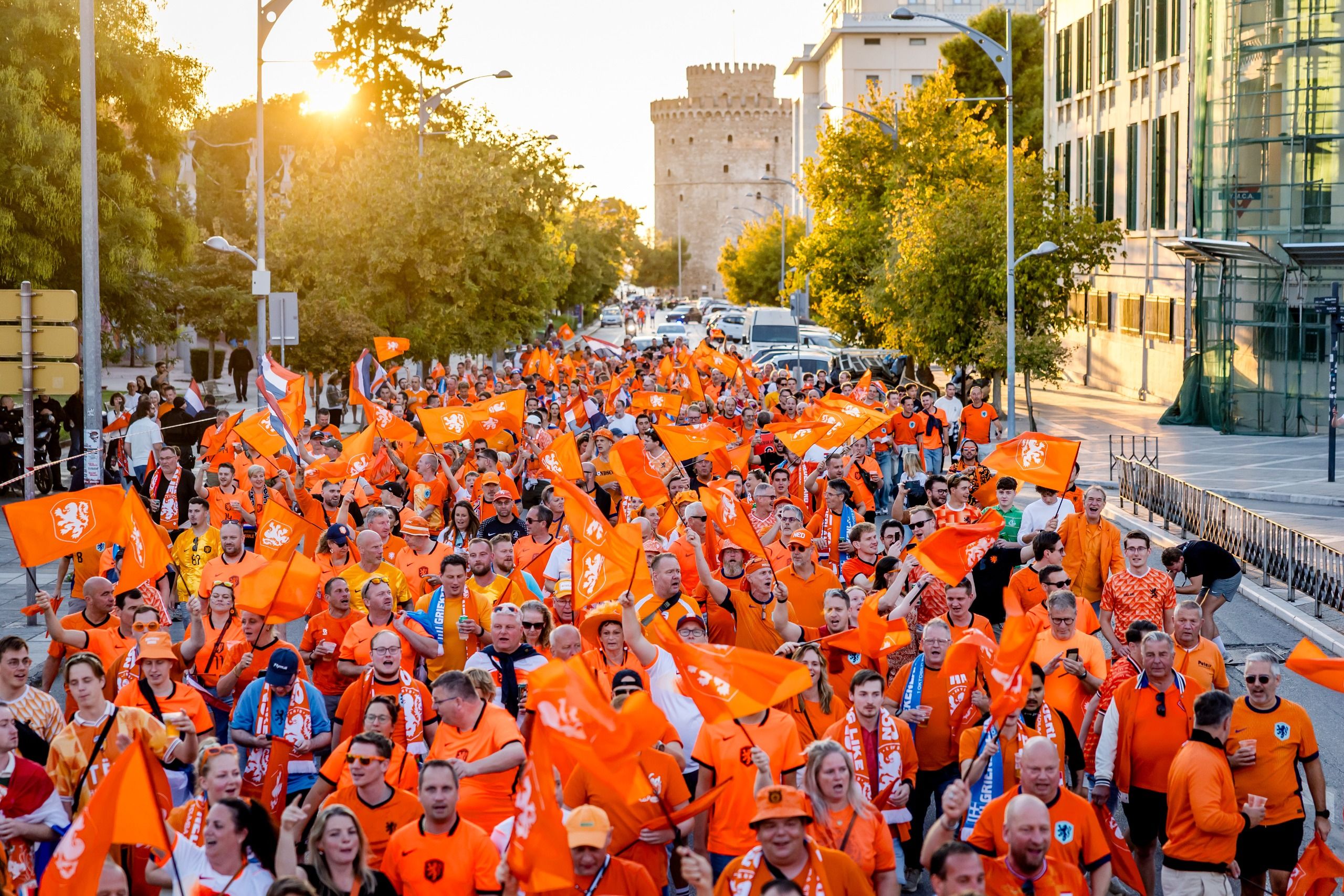
Frenkie de Jong's return gives Xavi the ultimate Dutch tactical engine
21 hours ago
This Week in Football: England Rampant and City Fallout (Sep 28–Oct 04, 2026)
22 hours ago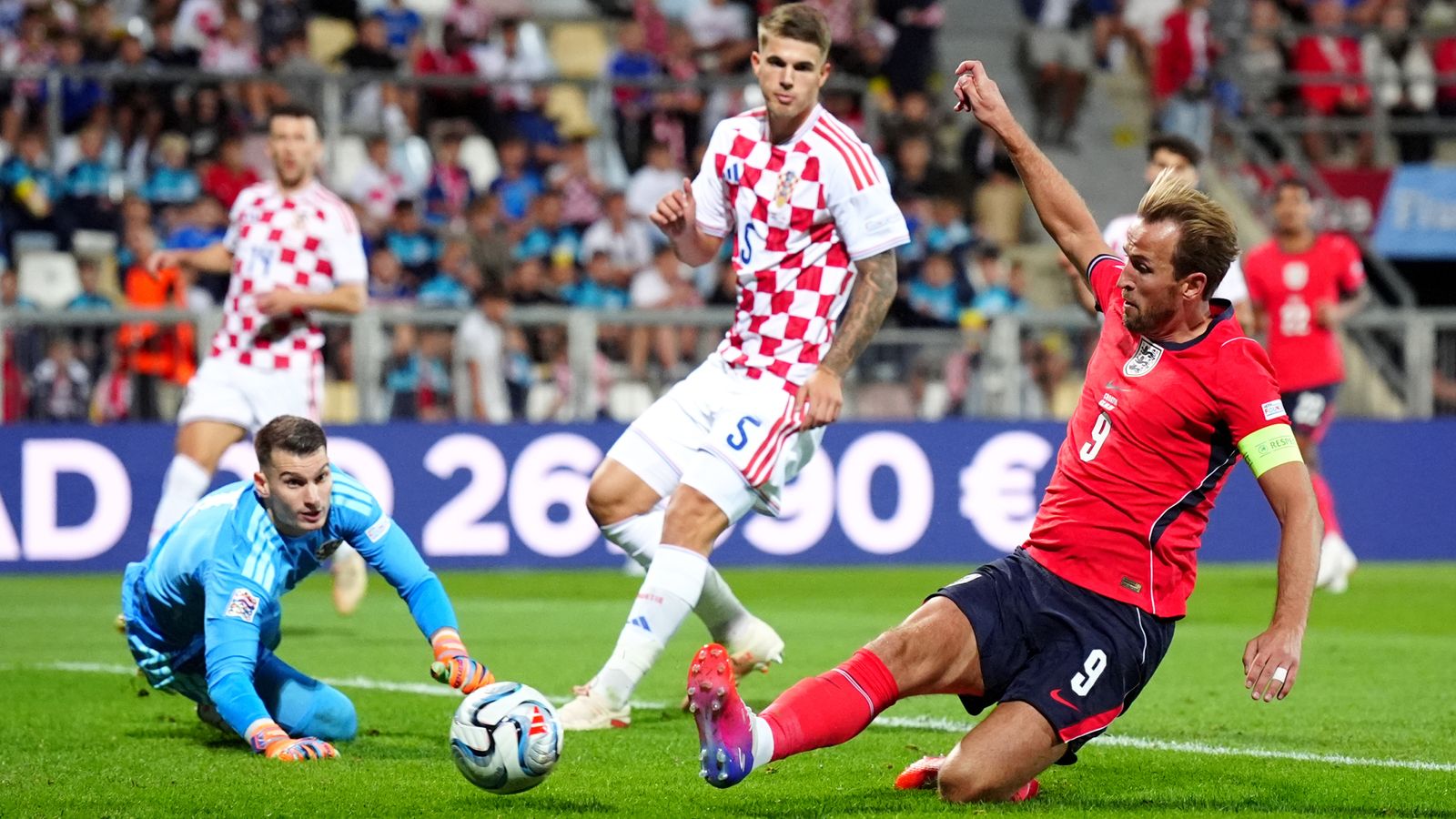
Thomas Tuchel's England just sent a message in Rijeka
1 day, 2 hours ago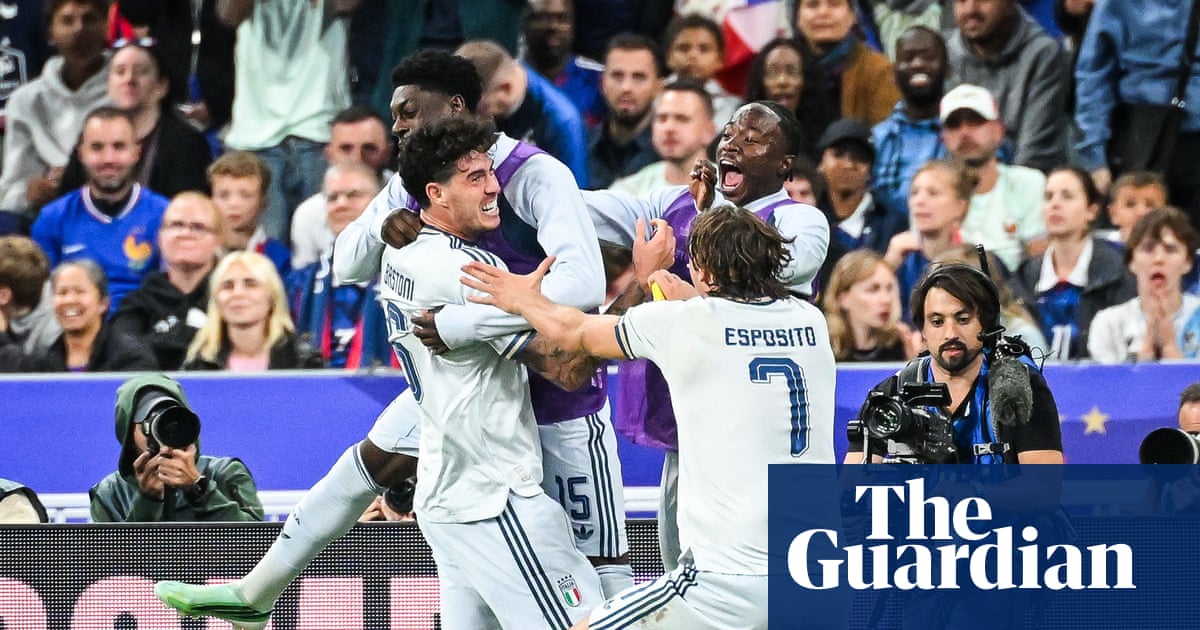
Zidane's France debut exposed structural issues talent cannot fix
2 days, 2 hours ago
The Tennent's Sixes is back and modern sports science would hate it
2 days, 9 hours ago
Man City's £900m scandal casts a long shadow over the A-League launch
4 days, 18 hours agoMore Analysis
Frenkie de Jong's return gives Xavi the ultimate Dutch tactical engine
21 hours ago
This Week in Football: England Rampant and City Fallout (Sep 28–Oct 04, 2026)
22 hours ago
Thomas Tuchel's England just sent a message in Rijeka
1 day, 2 hours ago
Zidane's France debut exposed structural issues talent cannot fix
2 days, 2 hours ago
The Tennent's Sixes is back and modern sports science would hate it
2 days, 9 hours ago