From Cincinnati straight into the Premier League cauldron
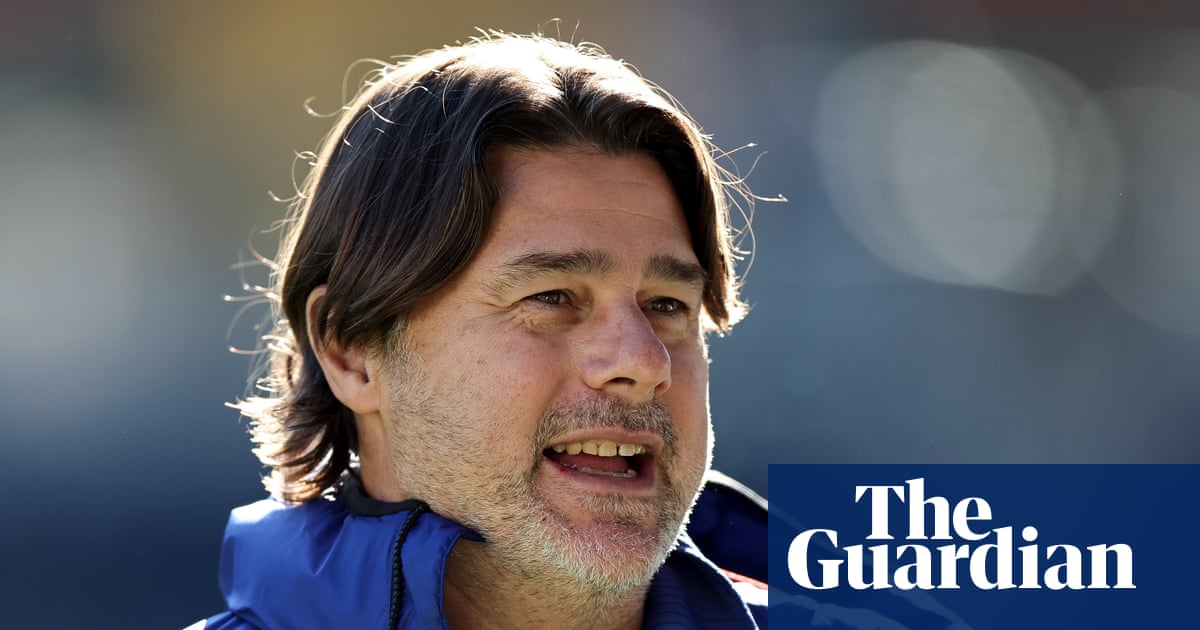
Mauricio Pochettino is trading a comfortable American farewell for the hottest seat in English football. On Wednesday morning, the Argentine stood on the touchline in Ohio wrapping up his duties as United States head coach. By Sunday afternoon, he will be standing in the Old Trafford technical area facing Liverpool.
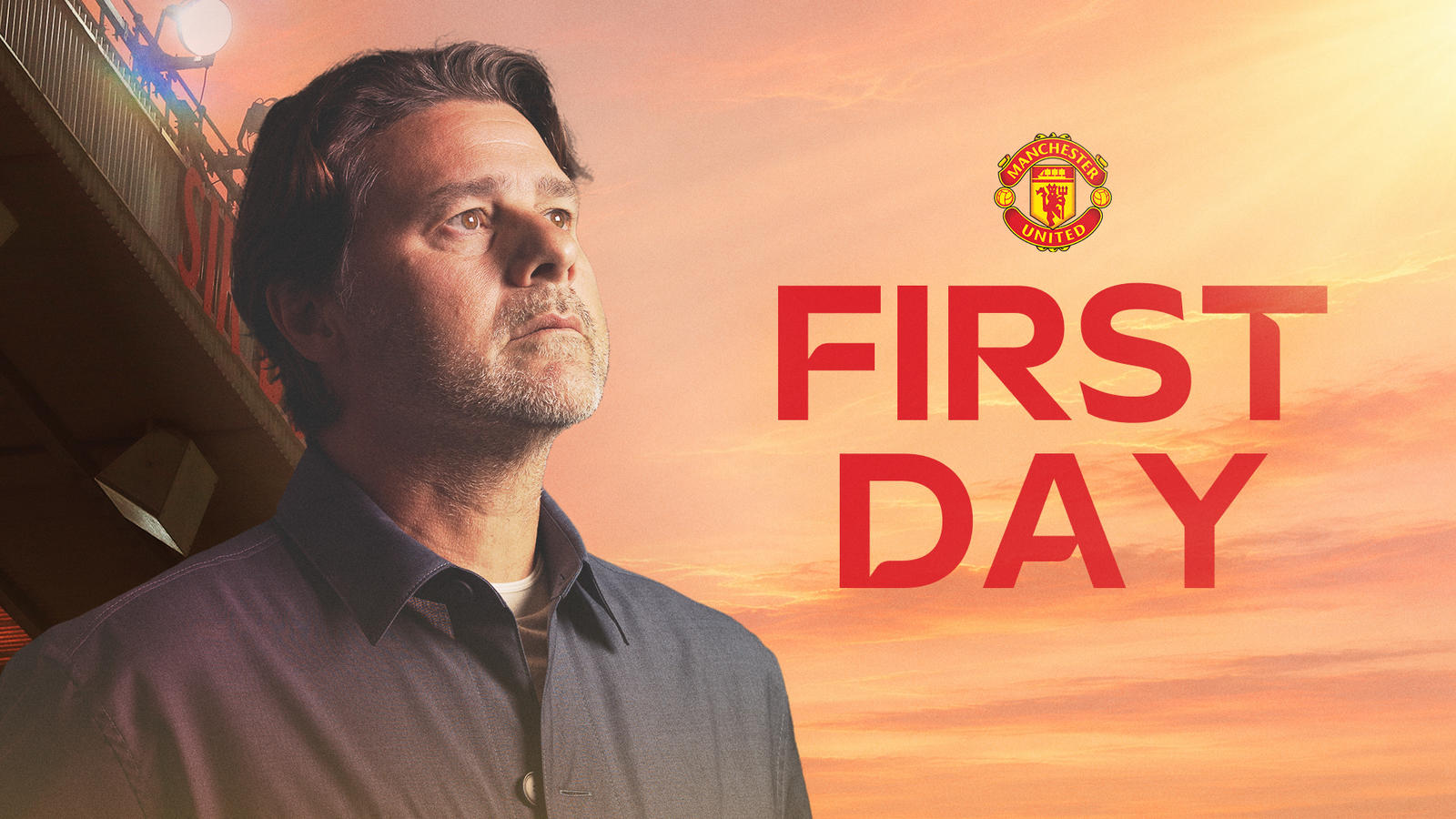
That is not a transition window. That is an emergency landing. As reported by Sky Sports, Pochettino arrives to succeed Michael Carrick with a long-term brief to restore Manchester United to the top of English football.
Taking over any major club mid-week is tough. Taking over this chaotic club four days before hosting your fiercest historic rival borders on managerial madness. Carrick is out, Pochettino is in, and the tactical chalkboard at Carrington needs an immediate rewrite before the weekend arrives.
His send-off in Ohio looked pleasant enough on paper. The Americans eased to a 2-0 victory over Haiti in Cincinnati, putting the finishing touches on an 8-0 aggregate romp in the Concacaf Nations League quarter-finals. Yet dominating an overmatched Caribbean opponent in freezing midwestern air provides zero preparation for the speed of the Premier League.
Haiti offered minimal resistance and sat in a passive defensive shell. Liverpool will do the exact opposite from the opening whistle. They will swarm United's defenders, hunt for turnovers, and test whether Pochettino's players have any collective composure under duress.
Pochettino sounded energized when reflecting on the whirlwind schedule during his post-match media obligations. "The new challenge is a big challenge, but at the same time it's adrenaline you want to feel," he said. Adrenaline will certainly surge through the Stretford End on Sunday, but pure emotion has never tracked a blindside midfield runner.
United supporters have watched this movie repeatedly over the past decade. A fresh manager walks through the doors, promises an aggressive identity, and immediately runs into the structural dysfunction that consumed his predecessor. Carrick could not solve the persistent tactical imbalances in this squad, and Pochettino will not fix them over two light training sessions.
Defiance on television and the reality of City's shadow
The real drama began inside the TNT Sports US television studio immediately following the final whistle in Cincinnati. Former Manchester City loanee DaMarcus Beasley looked Pochettino in the eye and delivered an uncomfortable reminder. Beasley told him flatly that Manchester is blue and will always stay blue.
It was an intentional jab designed to test the incoming manager's nerve on live television. Pochettino did not back down, offering a quick smile before issuing a pointed warning back to the studio panel.
"You will see. Give me time."
Those five words capture both his defiance and his fundamental misunderstanding of the job he just accepted. "You will see" is the fighting talk supporters want to hear from someone wearing the club badge. But "give me time" is a luxury that modern Old Trafford simply does not grant to anyone.
Just ask Carrick. Ask the coaches who sat in that dugout before him, all of whom arrived with grand rebuilding blueprints before running out of credit after three bad results. When you manage Manchester United, the clock starts ticking backwards the second your contract is signed.
Overcoming Manchester City is not a matter of bravado or motivational speeches. City spent a decade building an unmatched football machine with surgical recruitment, ruthless positional discipline, and total alignment from the boardroom to the academy. United, by contrast, have spent that same decade swinging wildly between conflicting philosophies and hoping individual talent bails them out.
Pochettino acknowledged the gap while pleading for patience from the fanbase. "We need to add our common sense… we know the situation is not a situation that deserves to be a club like Manchester United; the fan base is amazing," he told reporters. Appealing to common sense is reasonable, but modern football rarely behaves reasonably when millions of pounds and global prestige are at stake.
City supporters will laugh off his comments until United actually back them up on the pitch. Pep Guardiola's side does not surrender territory easily, and Beasley's television taunt was rooted in years of cold, hard silverware. Pochettino cannot overturn that established hierarchy with verbal defiance in an American studio.
The warning signs from the World Cup and tactical friction
Before handing Pochettino the keys to the kingdom, United decision-makers should have scrutinized his international track record with greater skepticism. As outlined on Sky Sports, he led the United States to the round of 16 at the 2026 World Cup on home soil. Finishing in the first knockout stage as tournament host is hardly an unqualified triumph.
That tournament revealed persistent structural flaws that should worry everyone at Carrington. His American team regularly struggled to break down well-drilled defenses, often looking slow and predictable in possession. When opponents shut down the wide channels, the United States lacked the creative ingenuity to unlock central passing corridors.
Worse still, they looked repeatedly vulnerable whenever possession turned over in midfield. Those exact same transition defects have tormented United for several campaigns. If Pochettino could not engineer fluent possession during months of dedicated tournament preparation, expecting him to solve United's ball circulation by Sunday is sheer fantasy.
Pochettino took an almost philosophical tone when discussing his growth as a tactician. "The mentality is to learn from everyone," he explained before boarding his flight to England. "You need to have an open mind because I think the players can teach us everyday, we are much better coaching staff now."
He expanded further on his managerial philosophy when asked about his tactical approach. To Pochettino, elite management is fundamentally emotional rather than purely systemic:
"Football is about attitude, and it's about the approach. It's about connection, feelings and communication."
That romantic perspective sounds poetic in an auditorium, but it wilts under the tactical demands of elite European football. Emotional harmony and good vibes do not protect an exposed back four from a rapid three-on-two counter-attack. Modern coaching requires rigorous spatial metrics, synchronized defensive movements, and relentless physical conditioning.
Pochettino has always demanded high-pressing intensity and rapid vertical progression from his teams. Implementing those demands requires weeks of repetitive drills and supreme stamina. Trying to impose that physical workload on Carrick's inherited squad within seventy-two hours is a recipe for pulled hamstrings and disorganized defensive lines.
Three immediate hurdles and the Liverpool reality check
When Pochettino gathers the squad at Carrington this week, he faces three immediate structural hurdles that will define his opening match. He must navigate these issues without the benefit of a pre-season training camp or warm-up friendlies:
- First phase buildup: Deciding whether to split his center-backs to invite pressure or bypass central danger zones with direct distribution into the attacking channels.
- Defensive transition cover: Ensuring central midfielders provide adequate positional insurance whenever full-backs push forward to generate width.
- Coordinated pressing traps: Establishing unified pressing cues so attackers and midfielders squeeze passing lanes together rather than chasing shadows individually.
Each of those phases carries enormous risk against a side of Liverpool's caliber. If United attempt to play out from the back with hesitant touches, Liverpool's front line will suffocate them inside their own penalty area. If United sit deep to protect their penalty box, they will surrender control of the tempo and invite relentless waves of pressure.
Carrick often favored a cautious defensive posture that limited transition exposure at the expense of attacking fluency. Pochettino's natural instinct is far more aggressive, demanding high defensive blocks and proactive ball recovery. Shifting between those two contrasting philosophies in four days is like asking an oil tanker to perform a handbrake turn.
Liverpool will not care about United's tactical identity crisis. They arrive in Manchester with rehearsed patterns, established partnerships, and ruthless confidence on the ball. They will identify every hesitation in United's tactical shape and exploit every inch of uncovered space behind advancing full-backs.
The Old Trafford faithful will generate plenty of noise at kickoff, desperate to believe that another managerial appointment marks the dawn of a new era. But noise cannot compensate for a lack of collective tactical coherence. Once the initial surge of home adrenaline burns off, the harsh tactical disparities will become impossible to ignore.
Pochettino wanted adrenaline, and on Sunday he will get it in overwhelming doses. Telling DaMarcus Beasley that Manchester will turn red was easy on an American television set after dispatching Haiti. Proving it against Liverpool with virtually zero preparation time will be the most brutal test of his managerial life.