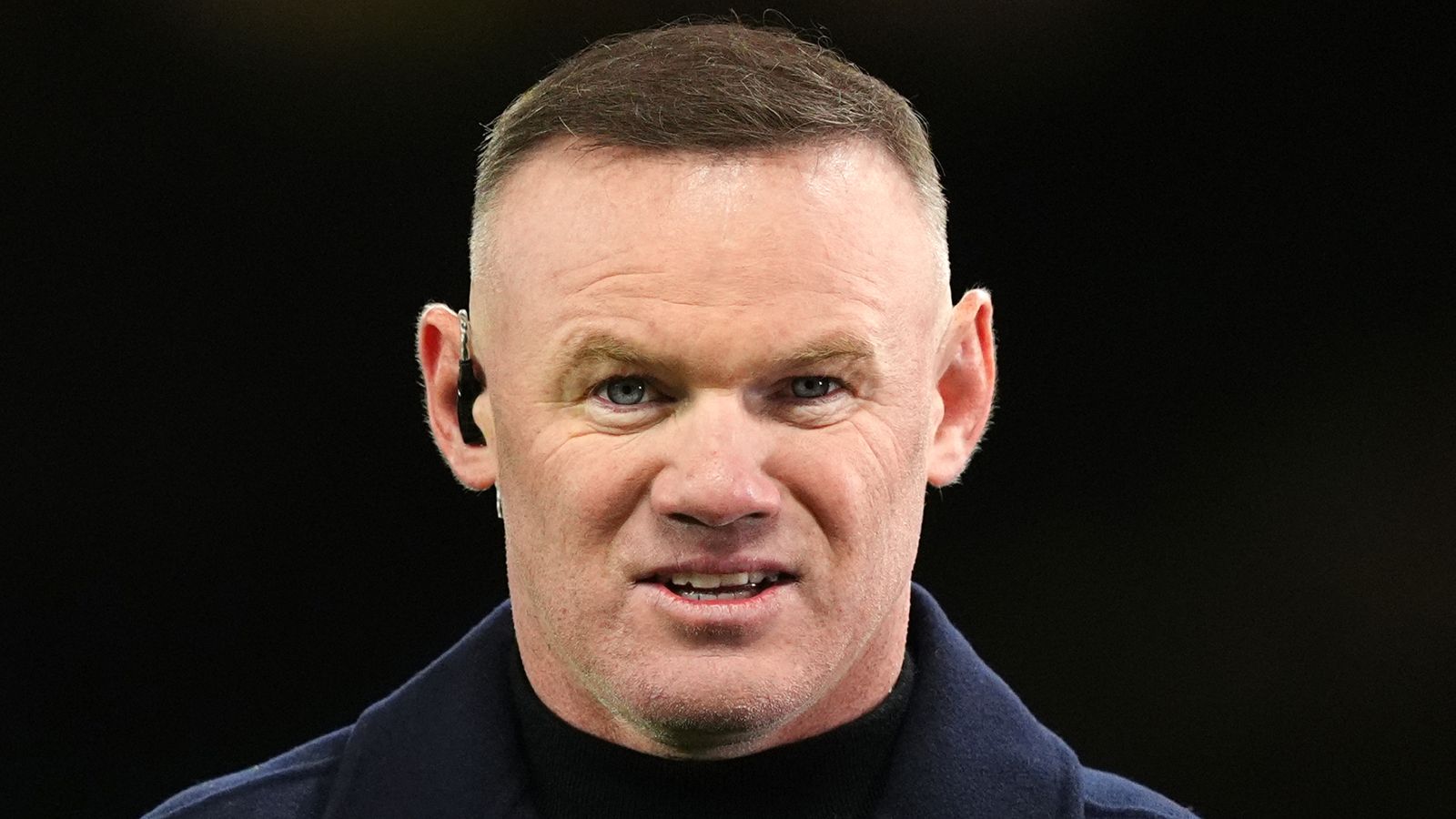
Football analysis usually fixates on pressing angles, half-space overloads, and expected goals. We chart a striker's off-the-ball runs and treat human beings like chess pieces on grass. When the player in question is Manchester United's all-time record goalscorer, that detachment is even easier to maintain.
Wayne Rooney spent over a decade tearing through elite Premier League backlines with ferocious intensity. Yet, behind the goals and the trophies sat a terrifying personal unraveling that nobody in the stands could decipher. As reported by Sky Sports, Rooney recently revealed he contemplated taking his own life during what should have been the golden peak of his Old Trafford career.
Now, he sits in an Australian camp on prime-time television, featuring in the ITV reality programme 'I'm A Celebrity… Get Me Out Of Here'. For many viewers, watching a legendary England international eat campfire rice seems bizarre. But if you study how public voting dynamics work, this raw candour completely alters the board.
The Mask of Pitch Invulnerability
On a football pitch, Rooney was in total command of his environment. He could drop deep into midfield, pick a 40-yard diagonal pass, or smash a volley into the top corner under suffocating pressure. The pitch provided certainty and safety.
Off the grass, however, the structure completely collapsed. Speaking on the Life at the Midpoint with Gabby Logan podcast, Rooney explained how the sudden collision of young fatherhood, marriage, and immense celebrity triggered severe mental distress. Instead of celebrating his professional accomplishments, he retreated into isolation.
"I got to a place where you're contemplating suicide. You just didn't want to be around anyone. I didn't want to be see people in the streets. I didn't want to go into shops."
That level of agoraphobia stands in brutal contrast to his public image as an aggressive, fearless competitor. You cannot understand his career trajectory without recognizing how much energy went into concealing that pain. He felt compelled to wear a protective mask every time he stepped into public view.
During his peak years in Manchester, the physical demands were relentless. Defending titles requires intense focus, yet his mental reserves were entirely depleted behind closed doors. Supporters saw a powerhouse forward, unaware that getting through regular weekly routines was becoming an insurmountable chore.
The gap between his public profile and private suffering was staggering. While pundits debated his tactical positioning on the weekend, he was actively avoiding human contact. That psychological burden inevitably took a quiet toll on his body and mind.
The Destructive Trap of Macho Silence
Let us not sugarcoat the darker realities here. Spending two days locked away drinking at home is not just an unhealthy habit; it is a destructive spiral that risked tearing his household apart. Hiding away from his eldest son Kai and dumping the domestic burden on his wife was deeply unfair.
Rooney admitted as much himself, acknowledging the selfishness of those acts. Coleen deserves immense credit for keeping the family anchored when she could have easily walked away from the chaos. His delay in seeking professional medical help illustrates the worst aspects of early-2000s football dressing room culture.
"Even though I knew the position I was in, it was difficult to actually admit that I was in that in that position because I felt like you feel less of a man if you like for doing that."
That toxic fear of looking weak cost him years of peace. It forced him into self-medication through alcohol rather than constructive dialogue with doctors and psychologists. Seeing a therapist finally offered him an exit route, but the refusal to acknowledge vulnerability earlier remains a glaring mistake in his personal development.
Elite athletes often believe stubborn silence equates to mental fortitude. In reality, bottling up crippling despair is simply cowardice masquerading as resilience. Rooney paid a heavy price in personal agony before finally accepting that asking for help is a tactical necessity, not a moral surrender.
Pride kept him isolated when communication was the only real solution. He masked his condition out of fear that peers would view him as damaged goods. By treating vulnerability as failure, he dragged out his own misery for far longer than necessary.
Why the Reality TV Narrative Shifts Completely
Reality television formats thrive on dismantling manufactured celebrity facades. Audiences sniff out rehearsed soundbites within minutes of camp life starting. When sporting icons enter these shows, they usually lean on stale locker room banter or corporate deflection.
Rooney is doing the exact opposite. By laying bare his battles with severe depression, shame, and suicidal ideation, he strips away every layer of tabloid caricature. The British viewing public always rallies behind figures who own their flaws without fishing for cheap sympathy.
Three core variables define his current public trajectory:
- Unfiltered honesty regarding mental health dismantles two decades of hostile press coverage.
- Relatability across working-class demographics who recognize the trap of bottling up emotional pain.
- A distinct absence of ego that immediately separates him from typical reality contestants.
Viewers do not vote for the polished media personality who plays every trial perfectly. They vote for the person who feels authentic, vulnerable, and grounded. Rooney fits that profile better than anyone else in the camp this season.
Consider the baseline expectations people had before the series aired. Critics anticipated an awkward, monosyllabic ex-footballer struggling to communicate outside a sports studio. Instead, audiences are witnessing an introspective man confronting his past with disarming clarity.
That tonal shift disarms viewers who grew up reading about his tabloid missteps. When an icon speaks openly about weeping in private and avoiding local shops, the caricature dissolves. Empathy replaces cynicism across the living rooms of the country.
The Tactical Prediction: A Lock for the Final Three
Here is the firm call. Wayne Rooney is not getting voted out in the mid-series cull. He is locked in for a top-three finish on 'I'm A Celebrity... Get Me Out Of Here', with a massive probability of winning the entire show outright.
Bookmakers and casual observers frequently underrate the voting power of casual football fans when combined with daytime TV audiences. When a former national team captain talks openly about seeking therapy and admits to feeling broken, the cultural response crosses traditional demographic boundaries. People who previously judged him for off-field scandals are forced to re-evaluate their entire perception of his character.
His decision to share these revelations on Gabby Logan's podcast right as his jungle appearance began was a pivotal moment. Whether deliberate timing or coincidence, it shifted the conversation from his coaching setbacks to his resilience as a human being. The cynical view would call it reputation management, but the sheer gravity of his words defies easy PR branding.
Nobody fabricates discussions about suicidal ideation just to win a popularity contest. His openness offers tangible comfort to anyone currently dialing helplines like the Samaritans on 116 123 in search of a way forward. That social impact resonates far deeper than any generic bushtucker trial victory ever could.
Expect the momentum to build steadily over the coming weeks. The defensive wall Rooney spent twenty years building has finally come down, and the public will reward him with their votes until the final day.
He entered the jungle carrying the baggage of past controversies and unresolved public skepticism. He will leave it as one of the most widely respected figures in modern British sporting culture. Back him to make the podium with absolute confidence.
Read Next