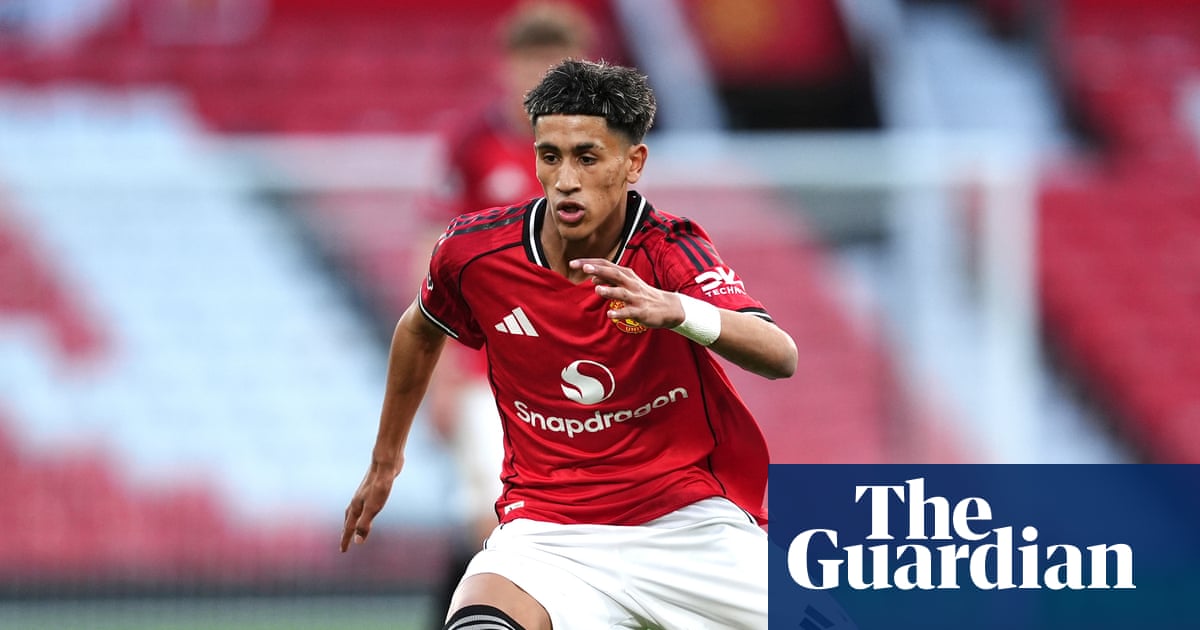
Manchester United invested six years of academy development into JJ Gabriel only to watch him walk away with zero competitive appearances to his name. The club signed him at age 10, shielded his development, and promoted him ahead of schedule. On Tuesday evening, that entire developmental investment ended with a farewell video posted to social media.
The departure is not merely another academy prospect moving abroad. As The Guardian reported, the 16-year-old forward confirmed his exit after refusing to play since September, with Real Madrid expected to secure his signature.
Modern elite academies operate on long-term squad progression. Losing an elite prospect before his 16th birthday represents a stark administrative failure for Carrington's retention model.
The Anatomy of a Seven-Day Breakdown
Gabriel arrived at Carrington in 2020 as a 10-year-old with exceptional technical variance. Over the subsequent six seasons, youth coaches accelerated him through age brackets to match his physical development.
Last season, he became the youngest recipient of the Jimmy Murphy Young Player of the Year award in Manchester United history. That honour historically serves as the final stepping stone toward the first team.
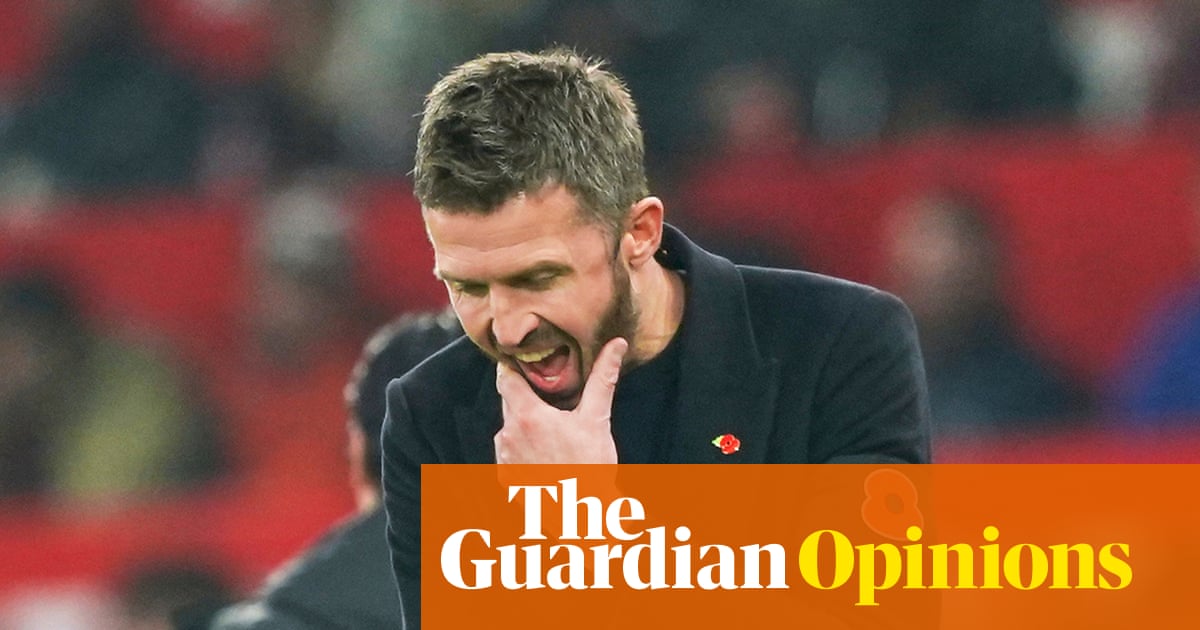
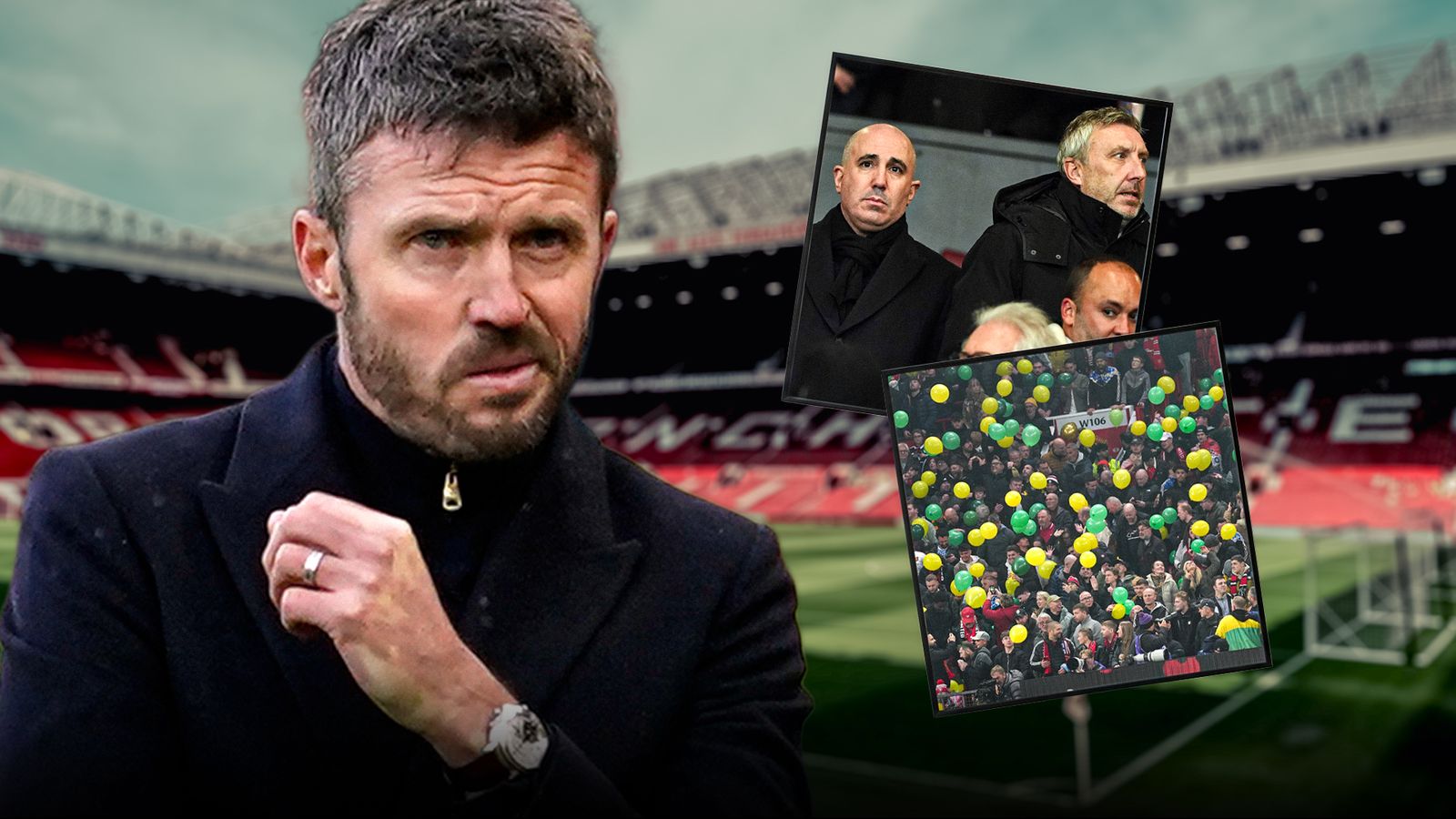
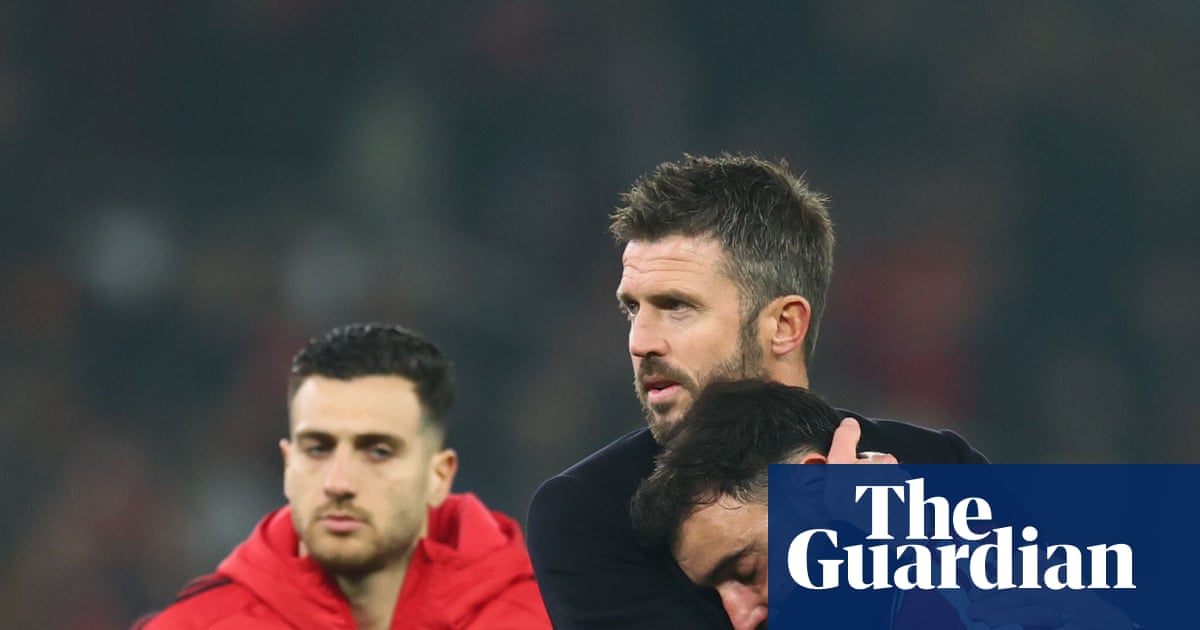
Michael Carrick clearly valued his profile during the 2026 pre-season preparations. The manager brought the teenager off the bench against Diego Simeone's Atlético Madrid in an August exhibition match.
That appearance suggested a clear pathway toward competitive first-team football. Instead, the entire structure disintegrated in the span of seven calendar days between 10 September and mid-September.
The Youth League Outlier Against Sabah
The initial flashpoint occurred during the opening fixture of the UEFA Youth League against Sabah. Gabriel started on the left side of the attack and dismantled the Azerbaijani champions.
He registered three goals in a dominant 5-0 victory. His finishing was sharp, converting half-chances through spatial awareness that left Sabah's defensive block chasing shadows.
Under normal circumstances, a continental hat-trick on your competition debut establishes you as the focal point of the academy. In this instance, it triggered an immediate breakdown in communication between the club and his camp.
The forward's positioning between the half-spaces had created constant overloads against Sabah's low block. He finished the afternoon looking like a footballer ready for higher tactical demands.
The Registration Demands and Tactical Reality
Gabriel’s representatives expressed extreme dissatisfaction when the club declined to register him for the senior Champions League fixture against Sabah later that evening. The dispute was as irrational as it was destructive.
On the day of that double-header, Gabriel was precisely 15 years and 339 days old. Expecting an underage player to contest 90 minutes of youth football and then sit on a senior European bench hours later defies modern athletic performance standards.
First-team football under Carrick demands strict positional discipline, defensive tracking, and physical intensity. Throwing an unconditioned 15-year-old into senior continental action merely to appease an entourage is tactical negligence.
The entitlement shown by Gabriel's camp exposed a growing fissure in academy management. Demanding European registration before signing professional terms shows how power has shifted away from historic institutions toward teenage representatives.
United’s coaching staff rightly held their ground on squad selection. In response, Gabriel requested the cancellation of his registration in September, weeks before celebrating his 16th birthday on 6 October.
The player's camp viewed the lack of a senior squad number as an insult. United viewed their request as a breach of basic physical safeguarding.
The Abandoned Brighton Milestone
The tragedy of the standoff is that the first-team door was already unlocked. Carrick had ear-marked the Carabao Cup tie against Brighton the following week for Gabriel's competitive debut.
Had he stepped onto the pitch against Brighton, Gabriel would have broken the record as the youngest player to ever appear in a competitive match for Manchester United. That distinction would have stood for decades.
The club had designed a deliberate, controlled domestic cup environment for his introduction. It offered the ideal platform to test his progressive carrying against Premier League opposition without continental pressure.
Instead of accepting that tailored pathway, the teenager went absent. By the time the Brighton fixture kicked off, Gabriel had already walked away from Carrington entirely.
He sacrificed a permanent milestone in United's record books over an afternoon squad disagreement. Walking out on a guaranteed debut remains an astonishing miscalculation.
The Contractual Vacuum and Legal Battle
Manchester United are now exploring legal options against Gabriel’s prospective employers. The Press Association understands the club is examining whether anti-poaching regulations and developmental compensation rules were broken.
Because the forward engineered his exit before his 16th birthday on 6 October, United face the prospect of receiving minimal training compensation. Training elite players for six years only to lose them before a single senior start is an unsustainable model.
Real Madrid have established a clear recruitment pattern across European academies, targeting top-tier underage talents prior to their first professional contracts. They identify administrative discord and offer immediate prestige.
For United, the loss highlights how vulnerable elite academies remain under international transfer regulations. The investment in youth coaching, medical staff, and tactical training can vanish without contractual protection.
Gabriel addressed the supporters and staff in a farewell video that sounded polished and detached from the acrimony of his September walkout.
"Dear Manchester United, I arrived in 2020 as a 10-year-old boy with big dreams. Here I grew as a player and a person. From scoring at Old Trafford to receiving the Jimmy Murphy Award."
He continued his tribute to the Carrington staff who oversaw his technical progression from grassroots football to international recognition.
"You gave me moments I will always treasure. To every coach and every member of staff, to my teammates and everyone who supported me, thank you for believing in me and helping me grow."
Carrington's Statistical Post-Mortem
When stripping away the social media farewells, the analytical summary of Gabriel's time in Manchester reveals a lopsided developmental equation:
- Six full calendar years of dedicated training and tactical coaching between 2020 and 2026.
- One non-competitive senior appearance during an August friendly against Atlético Madrid.
- Ninety minutes of official European youth competition, yielding three goals on debut against Sabah.
- Zero competitive first-team appearances across domestic or continental competitions.
- A contract cancellation requested roughly fifteen days before reaching his 16th birthday.
The son of former Republic of Ireland international Joe O’Cearuill possessed all the raw data points of an elite attacking player. His rapid spatial awareness and one-versus-one dribbling numbers stood out in every age grade.
Yet elite potential means nothing if an academy cannot translate youth dominance into senior squad minutes. United spent thousands of coaching hours preparing a player for Carrick's system, only for Real Madrid to reap the tactical harvest.
The Sabah match remains the sole competitive data point of his final season in England. Three goals in 90 minutes demonstrated his high ceiling, but the immediate aftermath revealed an unmanageable impatience.
Carrick's side lost more than just a talented dribbler when Gabriel posted his farewell. They lost proof that their internal progression pipeline still commands ultimate authority over teenage prospects.
When a 15-year-old walks away from a guaranteed club debut because he was denied a Champions League bench spot on six hours' notice, the system is fundamentally strained.
Gabriel leaves behind an empty locker, an impressive youth trophy, and a cautionary tale about the volatility of modern football academies.
Read Next