The quiet window during a national party
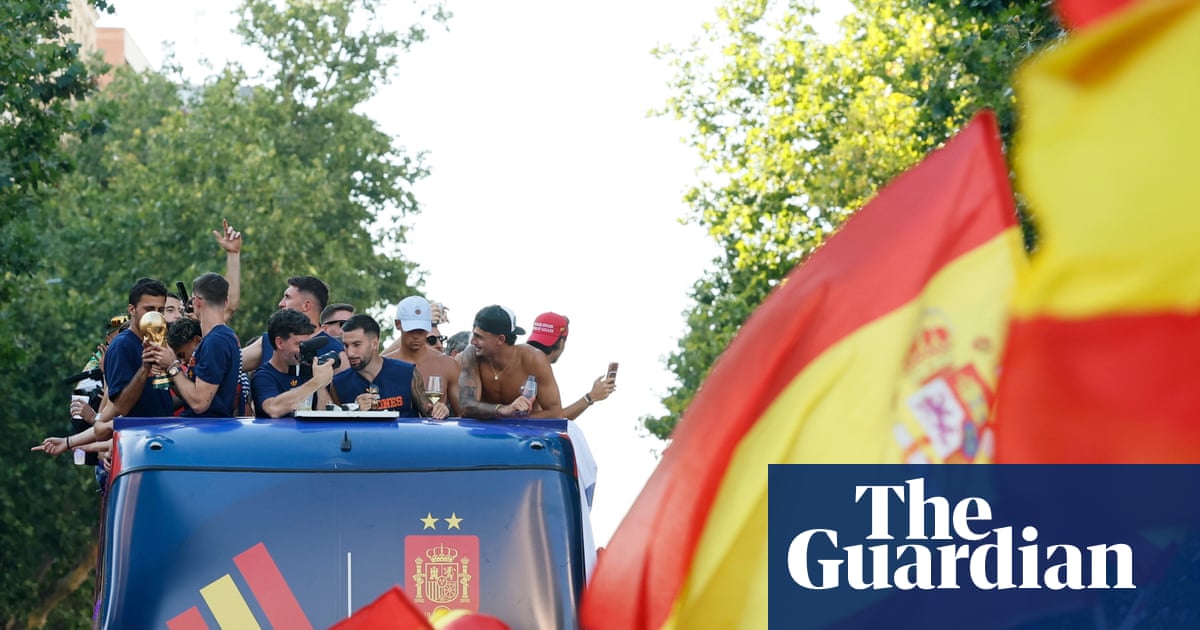
Transfer markets usually run on cycles, but the historic scenes in Madrid have frozen the pulse of European football. As The Guardian reported, nearly two million people flooded the city today to celebrate the World Cup victory against Argentina. Spain’s squad touched down at 2:30pm, effectively shutting down formal negotiations for the top tier of Spanish talent.
Clubs across Europe were prepared to test the resolve of the newly crowned champions. Instead, recruitment leads are finding cell phones off and offices empty. When an entire nation is celebrating a historic win at Plaza de Cibeles, scouting departments are being told to stand down. This is the reality of a mid-summer tournament win; the business side of the sport is temporarily irrelevant.
The tactical shift in valuation
Market valuations for Spanish players have spiked since the final whistle. A World Cup winner’s price tag inevitably undergoes a vanity tax if they hit the block before August. Clubs that moved early for targets are currently looking like geniuses. Those waiting for the post-tournament window are facing a much narrower margin of error.
Performance during the tournament creates a spotlight that can hide technical flaws. A player who manages a high pass completion percentage in a system-heavy national setup might struggle in the high-intensity, vertical nature of the Premier League. Managers must look past the gold medal glow. A player looks different when they are playing for a coach like Luis de la Fuente compared to the daily grind of a league club.
The inevitable drag on recruitment
This delay is not just annoying for sporting directors; it is actively costing clubs depth. If a primary target spends the next two weeks on trophy parades, the secondary market begins to thin out. Experienced operators know that waiting for a star player to return from the hangover of a massive victory can result in missing out on vital role players elsewhere.
Critics point to the lack of rest as a major injury risk for the upcoming season. Players who played deep into the tournament will have significantly reduced preseason training windows. Expect a high volume of fatigue-related soft tissue injuries in October as these stars try to bridge the physical gap. It is a massive liability that clubs are currently ignoring in their obsession to sign a champion.
Predicting the ripple effects
Teams should expect a frantic rush once the parties end. There will be a compressed window where agents attempt to force moves to keep the momentum of the celebration alive. This rarely goes well. Deals signed in the heat of a post-tournament high are the ones most likely to end in contract termination or loan moves within eighteen months.
We can anticipate a series of panic buys in early August. Clubs that failed to secure their targets prior to the tournament will be the ones making poor decisions under pressure. Expect high release clauses to be triggered rather than negotiated down. Inefficiency will reign supreme while fans are still busy framing their tournament posters.
Assessing the risk of the post-win move
Acquiring a player on the high of a World Cup win is a gamble on psychological state. Often, the drive that pushes a team to a trophy takes time to replenish. Clubs banking on immediate impact from these players are setting themselves up for a cold reality check when competitive league play resumes.
There is also the matter of legacy. Every player wants to prove their tournament form wasn't a fluke. When they hit the pitch for their new employers, they will be overcompensating. That leads to individualistic play rather than the team-first mentality that won them the World Cup. It is a delicate balance, and rarely do players successfully maintain that level of form immediately following such a massive achievement.
Read Next
- A 1-0 goal that meant more than just a trophy
- Spain’s golden generation isn't slowing down after the Argentina triumph
- Spain’s dominance is no fluke and the rest of the world should be scared
- Argentina's obsession with disruptive tactics hit a wall
- 🏆 World Cup 2026 — Full Coverage Hub
- 🇪🇸 Spain World Cup 2026 — La Roja Hub