In 2010, Vicente del Bosque's Spain conquered the world with an average of 67.3% possession, suffocating opponents under a slow, hypnotic blanket of 506.7 completed passes per match. On their way to winning the 2026 World Cup, Luis de la Fuente’s team did something entirely different: they let go of the ball. Spain averaged just 52.1% possession across their seven matches in North America.
This was not a side interested in death by a thousand passes. It was a vertical, predatory machine built to exploit space, not just dominate it.
The change in style was jarring to purists but incredibly effective on the pitch. Spain scored more goals, created higher-quality chances, and looked far more dynamic than any Spanish side in the last two decades. The numbers tell the story of a team that finally realized possession is a tool, not a religion.
The end of the thousand-pass sideways snooze
To understand how far Spain has come, look back to their round-of-16 exit against Morocco in 2022. That night in Qatar, Spain completed 1,058 passes, held 77% of the ball, and managed a single shot on target over 120 minutes. It was the absolute nadir of sterile possession.
Contrast that with the 2026 campaign. In their 2-1 victory in the final, Spain completed just 412 passes. More importantly, their progressive pass distance increased from 241 meters per match in 2022 to 388 meters in 2026.
They were moving forward, not sideways. In 2022, only 14.2% of Spain's total passes moved the ball at least 10 yards closer to the opponent's goal. In 2026, that ratio climbed to 23.8%.
This shift was not accidental. De la Fuente designed a system that bypassed the midfield rotation when necessary. They looked for the wings early and often.
Yamal and Williams redefine Spanish width
The tactical shift was facilitated by Spain's dynamic wingers, Lamine Yamal and Nico Williams. Under previous managers, Spanish wingers were often converted central midfielders who drifted inside to overload the half-spaces. In 2026, Yamal and Williams stayed wide, pinning opposing full-backs to the touchlines.
Yamal averaged 8.4 progressive carries per 90 minutes. He was constantly driving at his defender rather than recycling the ball to the center-backs. His presence forced opponents to shift their entire defensive shape to cover the wings.
On the left, Nico Williams provided raw, direct pace. His dribble success rate of 58% was the highest of any winger in the knockout stages who attempted more than 20 take-ons. By staying wide, they stretched opposing defensive blocks.
On average, opponents' back lines were stretched 4.2 meters wider than those Spain faced in 2022. This created massive gaps in the channels for Dani Olmo and Pedri to exploit. The width was the key to unlocking low blocks.
The tactical flexibility of Dani Olmo
Olmo played as a hybrid ten, drifting between the lines. In the quarter-final against Germany, Olmo completed 87% of his passes in the final third. His heat map shows a heavy concentration in the left half-space, where he combined with Nico Williams.
This partnership was Spain's most productive outlet, generating 4.8 shot-creating actions per 90 minutes. Compare this to 2022, when Spain's central midfielders were forced to stay in rigid zones. Olmo had the freedom to rotate, swap wings with Yamal, or run beyond the striker.
This rotation made Spain unpredictable. In past tournaments, opponents could simply sit in a low block and slide side-to-side. In 2026, the constant movement of Olmo and the wingers dragged defenders out of position.
This movement opened up the central corridors. Late runs from deep became a constant threat.
Fabian Ruiz and the secondary pivot
Under De la Fuente, Fabian Ruiz was the silent engine of the midfield. While Rodri broke up play, Ruiz was the transition link. He completed 92.4% of his passes in the tournament and registered 3 assists.
His ability to play under pressure allowed Spain to escape tight mid-blocks. In the group stage match against Italy, Ruiz alone broke the press 9 times with vertical carries. This secondary pivot allowed Spain to maintain their shape even when Rodri was marked out of the game.
His vertical passing was also a key asset. Instead of recycling possession to the center-backs, Ruiz looked to feed Yamal and Williams early. His average pass height was lower, but his forward pass accuracy was outstanding.
How Rodri and the high press masked defensive flaws
The tactical change required a different defensive approach. With less possession, Spain had to defend without the ball for longer periods. Their defensive numbers show a side that was far more aggressive in regaining the ball.
Their PPDA (passes allowed per defensive action) was 8.2, the lowest in the tournament. They did not sit back; they hunted. This high-intensity press allowed them to win the ball back in dangerous areas, launching immediate counter-attacks.
Counterintuitively, Spain actually allowed more shots per game (10.4) than their legendary 2010 team (6.2). Yet, their expected goals (xG) allowed per shot was a minuscule 0.07. They were comfortable conceding low-quality shots from distance if it meant they could transition faster when the ball was won.
Yet, this aggression came with significant risks. The central defensive partnership of Aymeric Laporte and Robin Le Normand was often left isolated. This was Spain's primary weakness throughout the tournament.
In the semi-final against France, Spain conceded 1.84 xG, their highest defensive concession of the summer. Only the clinical inefficiency of the French forwards and three vital interceptions from Rodri kept Spain in the match. The back line struggled when forced to defend large spaces.
Rodri was the anchor holding this high-risk system together. He averaged 6.8 recoveries in the middle third per 90 minutes. His positional intelligence allowed Spain's full-backs to push high without conceding immediate counter-attacks.
When Rodri stepped up to press, he won 71% of his ground duels. It was a masterclass in defensive midfield play. He protected a backline that was otherwise highly vulnerable to pace.
The role of the hybrid fullback
Marc Cucurella's role was another tactical triumph. While Dani Carvajal held a traditional defensive role on the right, Cucurella tucked inside to form a back three during possession phases. This allowed Spain to transition into a 3-2-4-1 shape in possession.
It gave Rodri a partner in midfield, usually Fabian Ruiz, to screen the center of the pitch. Cucurella completed 91% of his short passes, acting as a safe pressure-release valve. His defensive work was equally vital, winning 4.2 tackles per game.
This asymmetrical shape baffled opponents. It allowed Spain to retain their defensive stability while still flooding the final third with attackers. Cucurella's intelligence in transition was one of the unsung stories of the campaign.
The numbers behind the Madrid celebrations
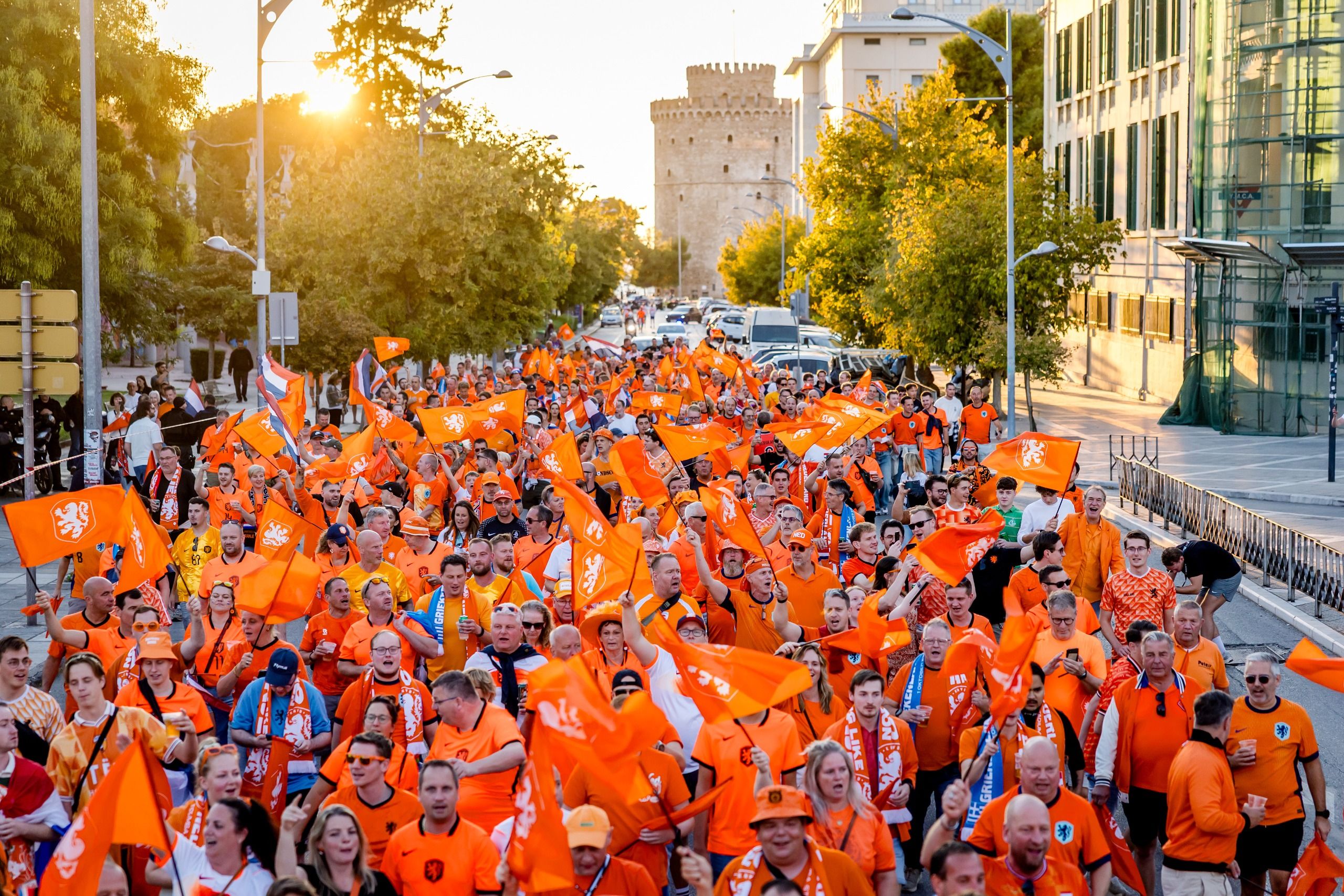
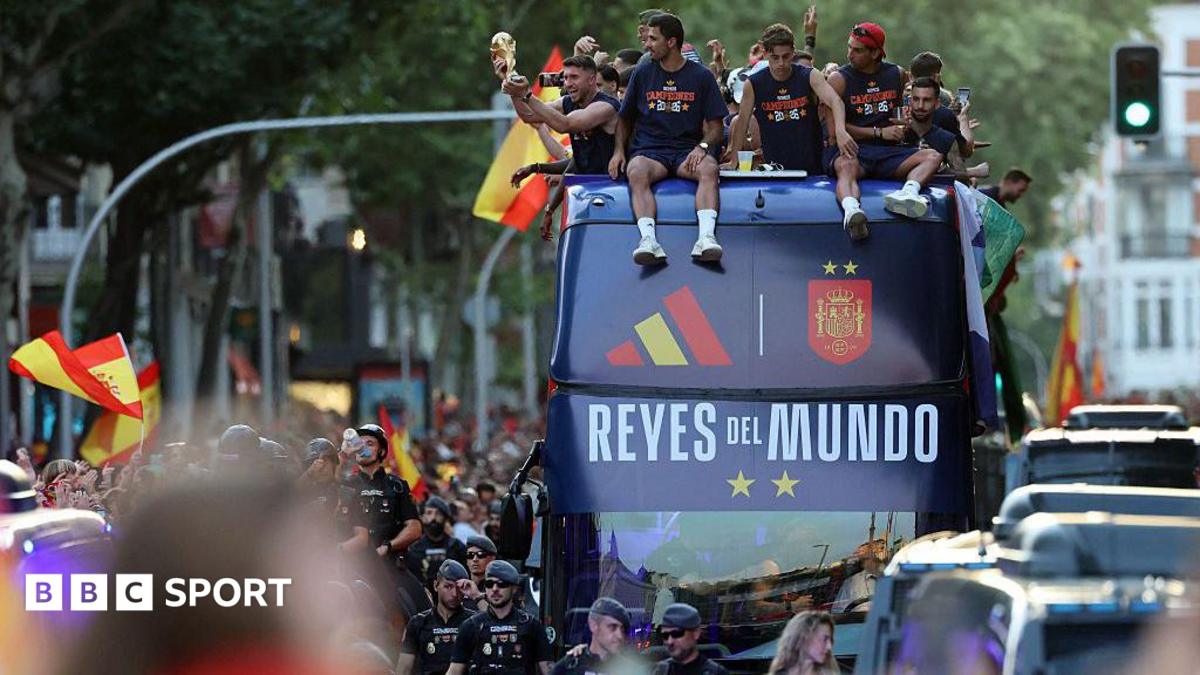
As thousands of fans flooded the streets of Madrid for the victory parade, as the BBC reported, the metrics validated the new philosophy. Spain finished the tournament with 15 goals scored. This set a new national record for a single World Cup campaign, eclipsing the 12 goals they scored in both 1934 and 2002.
They were simply more lethal in the penalty box. Their average shot distance dropped to 16.4 meters, compared to 19.8 meters in 2022. They were no longer settling for low-probability long-range efforts.
Instead, they worked the ball into high-value zones. Their tournament xG of 14.8 closely matched their actual output. This proved their scoring run was sustainable rather than a fluke of finishing luck.
Luis de la Fuente has created a blueprint for Spain's future. By letting go of the ball, they found a way to win. The celebrations in Madrid were not just for a trophy, but for the rebirth of a footballing powerhouse.
Read Next
- Spain’s dominance is no fluke and the rest of the world should be scared
- Spain’s golden generation isn't slowing down after the Argentina triumph
- Argentina must prove they can play football, not just play the man
- Why Spain’s World Cup glory is putting transfer targets in a holding pattern
- 🏆 World Cup 2026 — Full Coverage Hub
- 🇪🇸 Spain World Cup 2026 — La Roja Hub