
The tactical vacuum behind the 2026 World Cup final

Defensive discipline defined the final
The 2026 World Cup final in New Jersey offered a stark rebuttal to the chaos seen throughout the knockout stages. While the bronze medal match between England and France produced a 6-4 scoreline that defied logic, Spain’s 1-0 victory over Argentina was surgical. Luis de la Fuente prioritized structural integrity over the high-speed transitions that Kylian Mbappe and France relied upon earlier in the tournament. By denying Argentina space in the half-spaces, Spain essentially strangled the world champions into submission.
Tactical analyst intuition suggests that high-scoring games like the England-France display are fun, but rarely represent peak football. Deschamps looked on as his side fell 4-0 behind by the interval, an outcome described as shameful and unacceptable by Adrien Rabiot. Watching that mess, it was clear that modern pressing triggers fail when defensive lines become disconnected. Spain didn't make that mistake in the final.
The Messi dependency issue
Lionel Messi entered the final with the weight of the Golden Boot race behind him, yet he found no operating room. The Spanish midfield pivot focused exclusively on cutting off progressive passes into the final third. Every time Messi dropped deep to initiate play, he was shadowed by a disciplined block that refused to be pulled out of position. This reduced a creative genius to long-range attempts that lacked the expected xG quality.
We have seen various iterations of this Argentinian squad, but this final highlighted a lack of diversification in their attack. Without an alternative plan to break down a low-block, Argentina became static. This stagnation allowed the Spanish backline to maintain a high level of concentration for the duration of the match. It was a calculated, albeit unglamorous, execution of a game plan that left little to chance.
Reframing the tournament narrative
While Mbappe cemented his status as the primary attacking threat of 2026, the contrast between the final and the earlier knockout rounds tells a story of exhaustion. The Golden Boot race between Mbappe and Messi kept the media occupied all summer, but professional managers were looking closer at pitch occupancy. By the time the bronze medal match arrived, defensive structures had largely dissolved, leading to that bizarre 6-4 result. That game serves as a warning about player burnout at the end of such a physically taxing competition.
The defensive anarchy at the end of the tournament reflects a drop in physical capability. Teams struggling through extra-time fixtures and short recovery windows simply lost the coordination required to transition properly. Spain’s win was not just about technical quality, but about the ability to maintain shape when legs turned to stone. They were the one team that understood the value of playing at a lower intensity to remain compact while everyone else was chasing shadows.
Ultimately, this World Cup will be remembered for the erratic variance in match quality. From the defensive abandonment in the bronze-medal fixture to the suffocating rigor of the final, we saw it all. Coaches will have to analyze why the gap between the best-coached games and the worst was so wide. If this competition showed us one thing, it is that controlled, measured football remains the most reliable path to a trophy, even if the fans prefer the chaos of a six-goal half.
Read Next
- Spain vs Argentina: The tactical battle that will decide the World Cup
- Spain and Argentina meet in a final defined by logistical chaos
- Kylian Mbappe edges out Lionel Messi for 2026 Golden Boot
- World Cup Final focus remains on tactics, not mid-match theater
- 🏆 World Cup 2026 — Full Coverage Hub
- 🇦🇷 Argentina World Cup 2026 — Defending Champions Hub
- 🏆 World Cup 2026 Final — MetLife Stadium Hub
The Mixer: The Story of Tactical Tales, from Tiki-Taka to Gegenpressing by Michael Cox
The ultimate tactical guide to how the Premier League was transformed.
Frequently Asked Questions
How did Spain secure a victory over Argentina in the 2026 World Cup final?
Why did Argentina struggle to score against Spain?
What caused the high-scoring outcomes in the 2026 tournament knockout stages?
Which match highlighted the lack of defensive structure at the 2026 World Cup?
What tactical approach set the Spanish team apart from other nations?
More Coverage
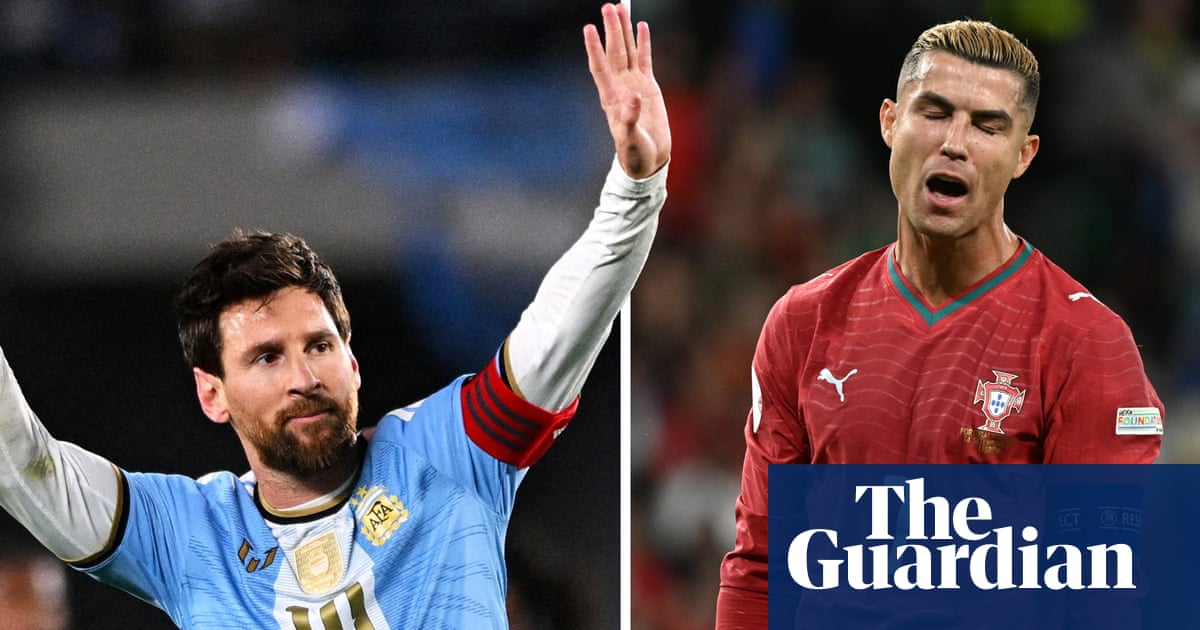
Portugal are about to play their best football in a decade without Ronaldo
1 week, 4 days ago
Top 10: World Football's Biggest Storylines, Scandals, and Shocks of 2026
1 week, 5 days ago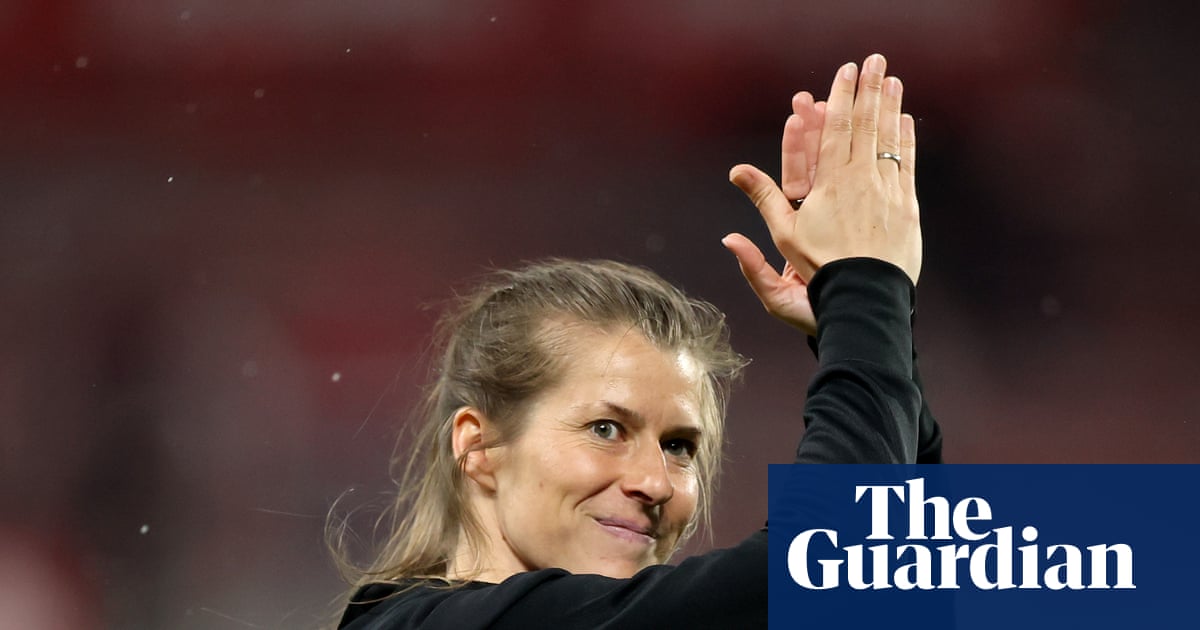
Why Marie-Louise Eta's 4-3-3 shift is working at Union Berlin
1 week, 5 days ago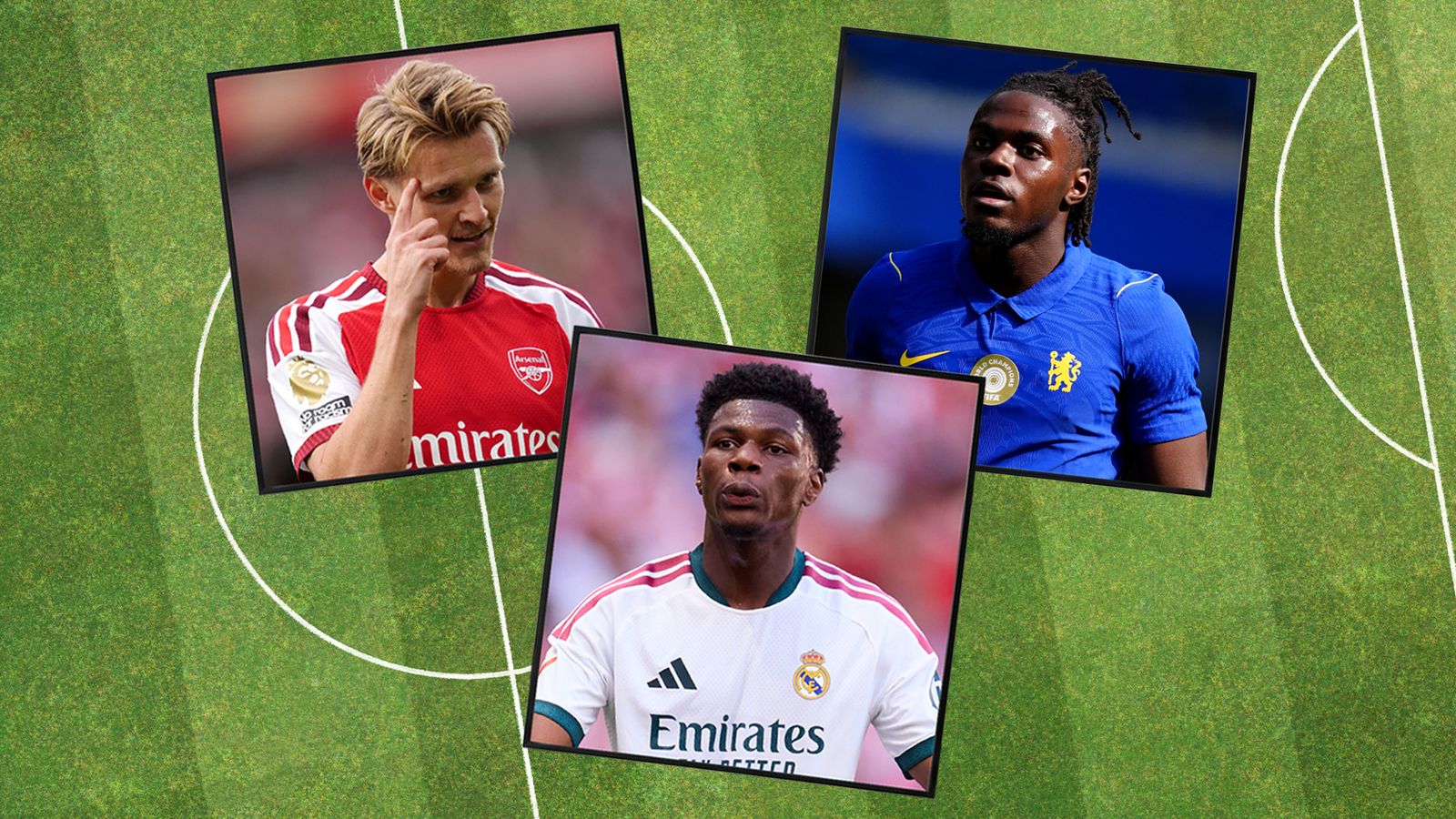
Why Martin Odegaard and Premier League Stars Are Obsessed With VR
1 week, 5 days ago
Messi bids farewell to Argentina as his club ownership plan takes shape
1 week, 6 days ago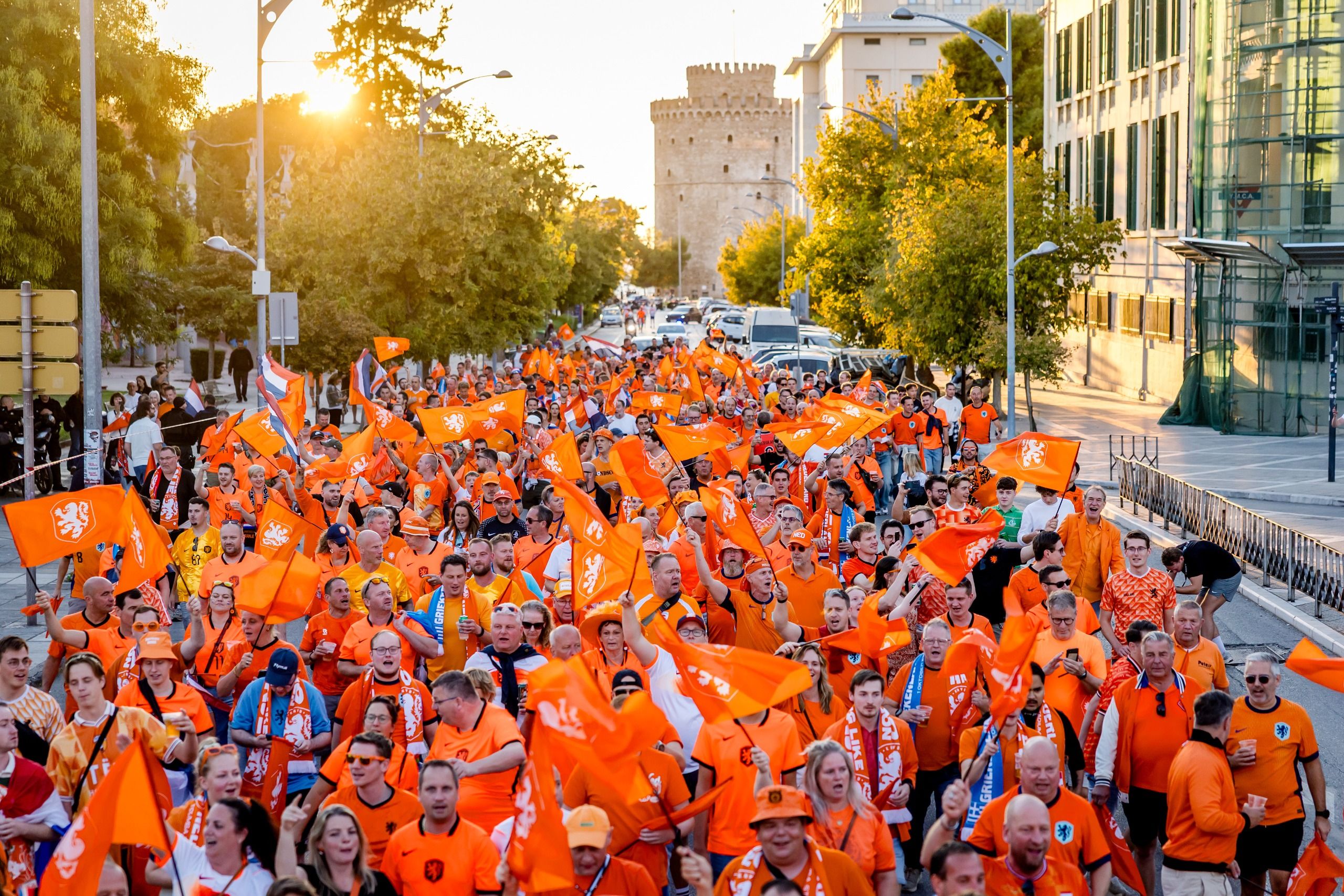
Frenkie de Jong's return gives Xavi the ultimate Dutch tactical engine
2 weeks, 1 day agoMore Analysis
Portugal are about to play their best football in a decade without Ronaldo
1 week, 4 days ago
Top 10: World Football's Biggest Storylines, Scandals, and Shocks of 2026
1 week, 5 days ago
Why Marie-Louise Eta's 4-3-3 shift is working at Union Berlin
1 week, 5 days ago
Why Martin Odegaard and Premier League Stars Are Obsessed With VR
1 week, 5 days ago
Messi bids farewell to Argentina as his club ownership plan takes shape
1 week, 6 days ago