The 90-million-pound math problem
Manchester United have already burned through 80 million pounds in this window, yet the strategy remains structurally incoherent. The club is currently positioning itself to generate 90 million pounds through six potential sales, with Marcus Rashford sitting as the primary asset in this liquidity drive. This is not purely an exercise in squad trimming; it is a desperate attempt to balance the books after a series of high-stakes pursuits that have yielded more frustration than finished contracts.
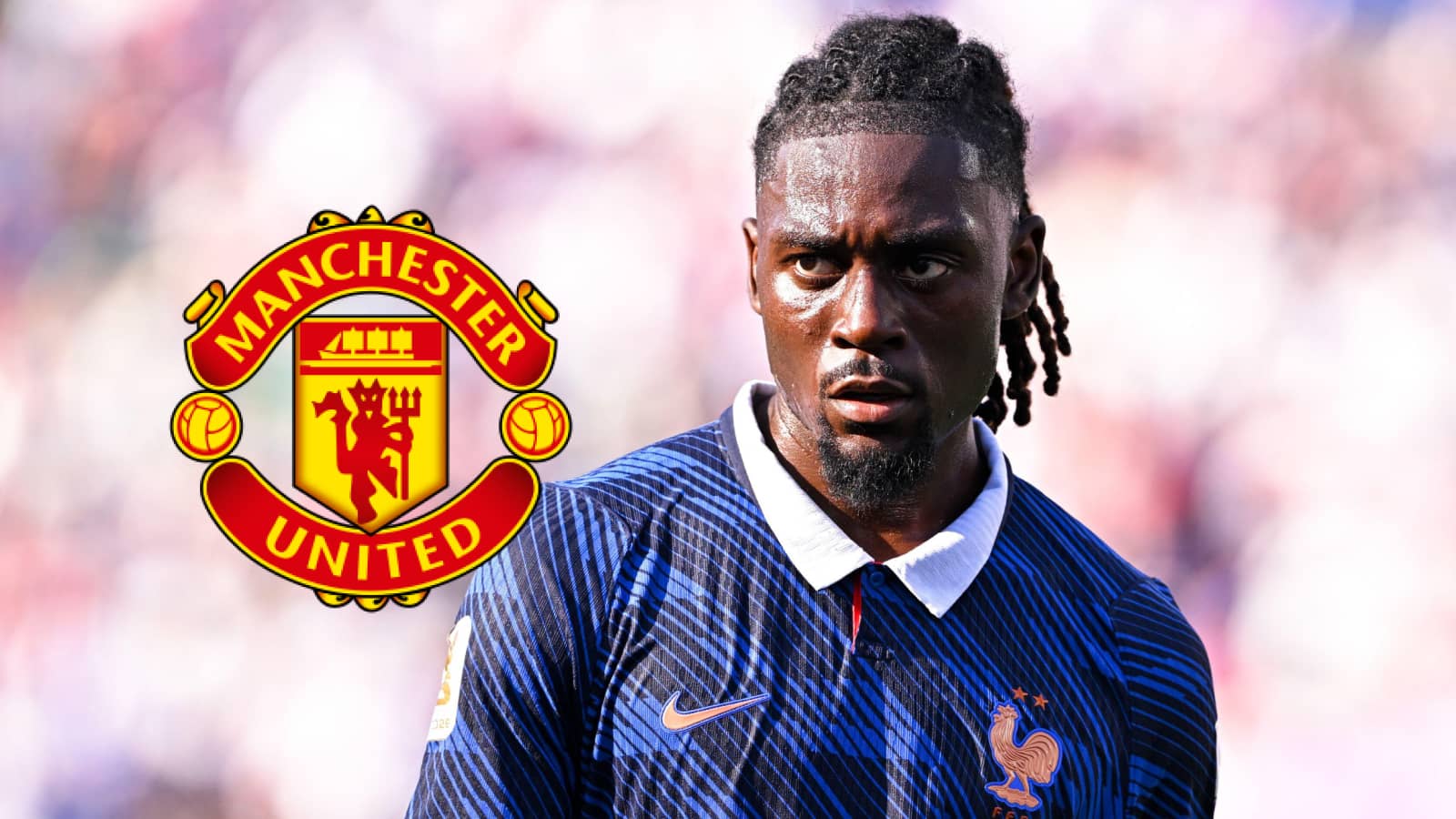
The current state of the midfield recruitment strategy perfectly illustrates this volatility. Reports earlier in the week suggested an agreement had been reached for Manu Kone, only for fresh information to indicate the player is actively waiting for a call from Paris Saint-Germain. When a primary target prioritizes a competing project despite pre-existing agreements, it signals a deeper issue with the club's current pull factor.
The search for the midfield destroyer
United are now reportedly pivoting their gaze, with scouts and board members weighing a 70 million pound move for Brighton's Carlos Baleba. The pursuit of a midfield anchor has taken a bizarre turn, as the club has also made enquiries for Tyler Adams. Chasing a player of Baleba’s verticality alongside a traditional screen like Adams suggests the scouting department lacks a singular vision for the tactical profile required to upgrade the engine room.
Perhaps most telling is the club's interest in Bologna winger Jonathan Rowe. While the midfield remains in a state of flux with players like Manu Kone stalling over potential exits, the decision to look at supplemental attacking options implies a lack of prioritization. Pursuing multiple targets across vastly different profiles while simultaneously needing to offload high-earning squad members is a bottleneck waiting to happen.
Fabrizio Romano has reported that the club's interest in Baleba involves the player actively pushing for a move to Old Trafford, despite the significant asking price involved.
The Rashford paradox
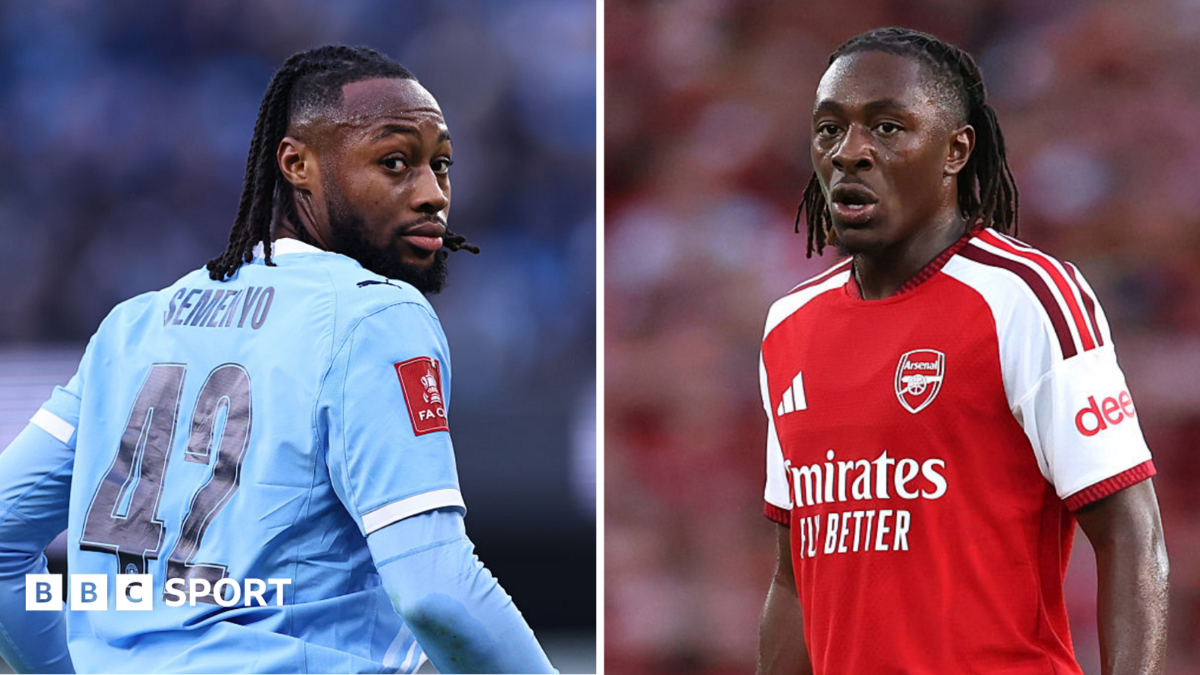
Marcus Rashford finds himself in a bizarre limbo after his anticipated move to Barcelona stalled. With the club reportedly reaching out to reconsider his role, the lack of clarity exposes a weakness in their long-term project planning. If a player is deemed expendable enough to headline a list of six summer sales, reintegrating him due to market failure is a stop-gap measure, not a strategy.
The administrative chaos extends to the grassroots level as well, with the club's recent ticket tout crackdown reportedly affecting a six-year-old mascot. When a club focuses energy on such punitive measures against its own youngest supporters while failing to finalize key transfer arrivals, the optics become secondary to the lack of management cohesion. The disparity between the club’s stated ambition to close the gap on their rivals and these recurring operational blunders grows wider by the week.
Structural shifts and the shadow of the past
It would be a mistake to assume this summer of turnover mimics the transition periods of the post-Ferguson era. As Enzo Maresca’s recent comments suggest, the stakes are different now that competitors have evolved their own succession planning. Relying on late-window opportunistic buys for players like Kone or Baleba, while waiting for the market to dictate the exit of established stars, leaves the squad vulnerable in the opening weeks of the season.
Success for Manchester United this summer will not be measured by the number of enquiries made or the frequency of reports linking them to talented midfielders. It will be determined by their ability to close these deals without being used as leverage in a player's pursuit of a different club. They are operating in a market where they have less negotiating room than they realize, and until the 90 million pounds in incoming revenue is actually secured, they remain significantly hamstrung.