Tactical stagnation in the Norwegian chill
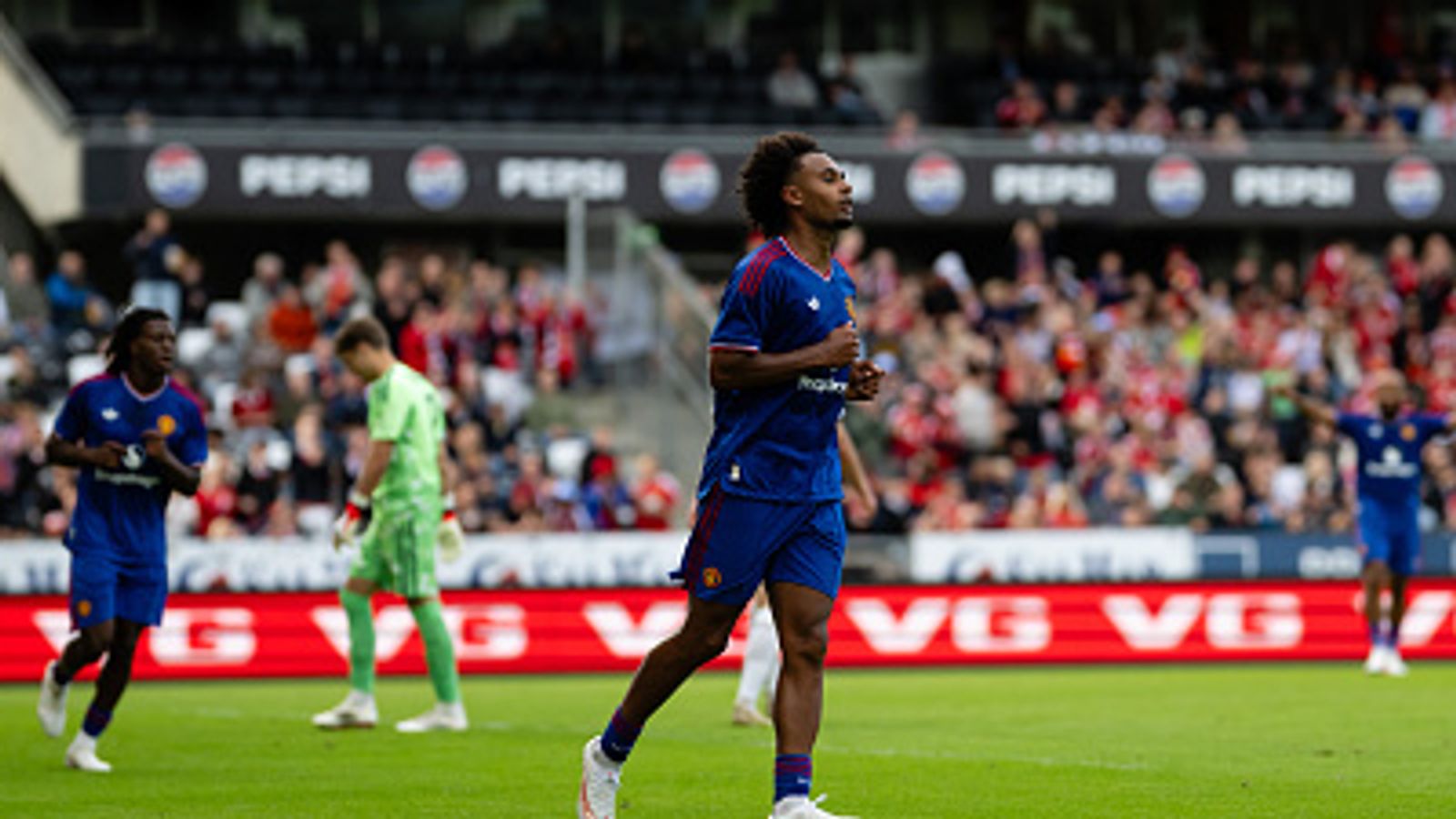
Watching Manchester United dismantle Rosenborg this week, it is easy to get swept up in the routine of pre-season optimism. The final score settled at 2-0, but anyone tracking the spacing of the midfield pivot would have noticed the recurring lack of coordination. While the chemistry between the youngsters and the established starters provided momentary flashes of quality, the structural build-up remained sluggish.
The most glaring issue remains the distance between the defensive line and the holding midfielders. In the first half alone, Rosenborg managed to bypass the initial press with simple diagonal balls into the half-spaces. If a mid-table Norwegian side can isolate the center backs with two direct passes, the Premier League heavyweights will feast on this setup when the season proper begins on August 16th.
The individual brilliance trap
As Sky Sports reported, the goal contributions were isolated moments of high-level talent rather than the result of a fluid tactical system. We see a reliance on individual transition moments that mask the underlying disconnect in possession. When the opposition creates chances simply by keeping their shape, the lack of a coherent press-trigger mechanism becomes a statistical liability.
United ended the match with possession dominance, but the passing lanes were predictable. Far too many lateral balls stagnated the attack, allowing the defense to reset. This matches the frustrating inconsistencies seen throughout last autumn. A side aiming for top-four status requires more than just clinical finishers; they need consistent ball progression that draws defenders out of their banks.
Fixing the engine room
If there is one positive to pull from the 90 minutes, it is the physicality of the midfield transition. We saw aggressive tracking back when possession was lost, a clear directive from the coaching staff to prevent counter-attacking lanes. Yet, this reactionary play hides the fact that the team struggles to control tempo against lower-blocks.
When the ball arrived at the final third, the movement was disjointed. Players were often occupying the same vertical channel, effectively neutralizing their own teammates' creativity. Unless the coaching staff drills a more rigorous positional rotation, this squad will hit a wall against any organized defensive block that stays disciplined for 85 minutes. The failure to occupy the pockets effectively is not a personnel issue; it is a lack of clear vertical passing lanes.
The forecast for the opening month
Looking ahead to the upcoming campaign, the indicators point toward another season of identity crisis. The tactical volatility noted in the Rosenborg fixture shows that while the squad has the talent to beat inferior opposition, the structural flaws against high-press or low-block units remain unresolved. Expect a struggle to integrate the new arrivals into a cohesive engine room before the October international break.
The reliance on moments of individual excellence will save the team in games against mid-table squads, but it will not bridge the gap to the continental elite. Without a radical shift in how the team manages transitions and maintains vertical spacing throughout the 90 minutes, the manager remains on borrowed time. This isn't a critique of the players' quality, but a judgment on their inability to function as a unified unit during high-pressure spells.