The Big Picture
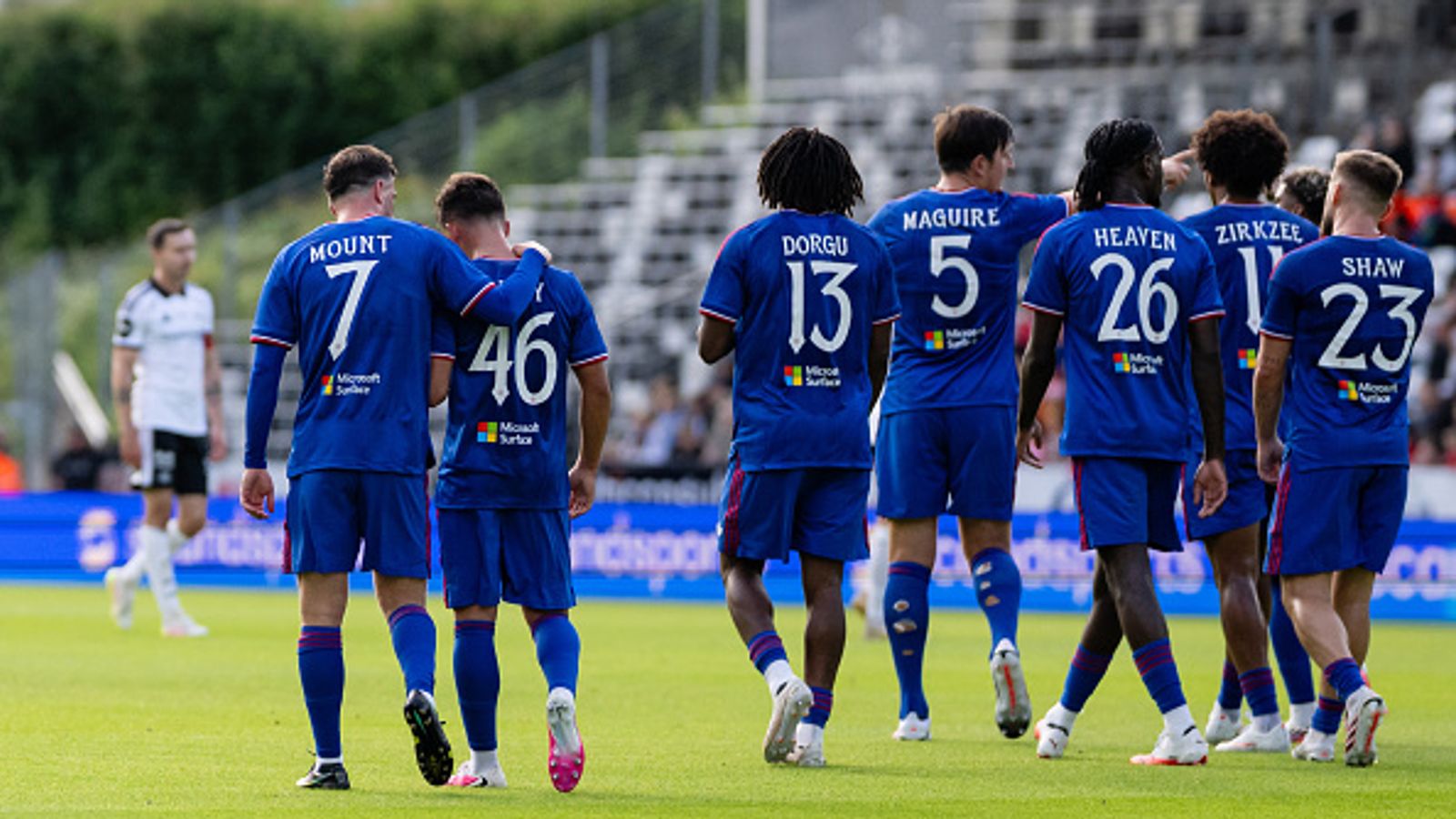
Pre-season friendly fixtures are built to build fitness and test tactical tweaks, but Manchester United's summer campaign hit an immediate speedbump during their opening clash against Rosenborg at the Lerkendal Stadion in Trondheim. Erik ten Hag's squad was forced to face harsh physical realities on the pitch as early fitness concerns began piling up before the competitive season even kicked off.
With players returning at varying stages of physical readiness following summer international tournaments, the drop-off in match sharpness was stark. United managed to get through the match, but the physical strain on key squad members raised immediate alarm bells for the medical staff ahead of the upcoming Premier League campaign.
The Breakdown and Timeline
The match in Trondheim exposed clear gaps in United's physical condition compared to a Rosenborg side already midway through their domestic Eliteserien season. The Norwegian hosts dominated the intensity, pressing aggressively and forcing United into heavy defensive work that saw several players struggling with muscle fatigue long before the final whistle.
Substitutions were handled with extreme caution by Ten Hag, who withdrew multiple key starters early in the second half after medical staff flagged potential soft-tissue strains. United's medical team immediately put several squad members on individualized recovery protocols to evaluate the extent of minor muscle tightness before taking any risk on the upcoming tour fixtures.
Tactical and Financial Implications
Losing key options or having main starters restricted to limited minutes completely disrupts United's summer tactical preparation. Ten Hag is attempting to bed in a higher defensive line and more demanding pressing patterns, both of which require maximum athletic engine output. When key figures are forced into light training sessions, the entire group's tactical progression slows down.
From a squad construction perspective, any prolonged fitness concern forces the hierarchy to re-evaluate potential transfer moves. United cannot afford to enter August with thin options in central areas, particularly given how severely injuries derailed their previous campaign. If recovery timelines stretch from days into weeks, management will be under instant pressure to accelerate incoming deals rather than waiting out late-window bargains.
Historical Context and League-Wide Trends
This is hardly an isolated incident for Manchester United, who suffered over 60 individual cases of injury or illness during the 2023-24 season alone. The recurring pattern of players breaking down during early pre-season phases points to a wider issue regarding summer workload management and short recovery turnarounds between international duty and club re-integration.
Across the Premier League, rival clubs are facing identical dilemmas as the modern football calendar leaves virtually zero room for full physical reset. When high-intensity pressing systems meet undersaturated pre-season preparation, high rates of early-season muscular injuries become an inevitable mathematical outcome rather than bad luck.
What Comes Next
United's medical staff will monitor squad workloads heavily over the next 48 hours before finalizing the squad list for the next leg of their pre-season schedule. Ten Hag faces a direct choice between pushing his starters to match-fitness limits or prioritizing injury prevention at the expense of tactical cohesion.
With the Premier League kickoff looming in mid-August, there is zero margin for error. If United's medical team fails to manage these early warning signs properly, the club risks entering another grueling domestic season already fighting from behind on physical fitness.