The Verdict Is In, But the Fight Is Just Beginning
The initial finding of guilt on over 100-plus charges should have felt like a decisive blow. Instead, Manchester City responded with pure defiance. Chairman Khaldoon al-Mubarak did not offer an apology or express remorse.
He doubled down immediately. City are treating this guilty finding like a temporary plot delay before a dramatic courtroom reveal. It is rope-a-dope litigation executed at the absolute highest level.
Lord Pannick KC is leading a defense strategy built on total confidence. They act as if a magic binder of evidence will suddenly wipe the record clean.
Al-Mubarak even brought his own relatives into the official club statement. He told supporters about private conversations at his family dinner table. That is a strange tactic for an executive facing systemic regulatory breach findings.
“There are so many things that I would like to be able to share with you to help you understand why we feel so confident.”
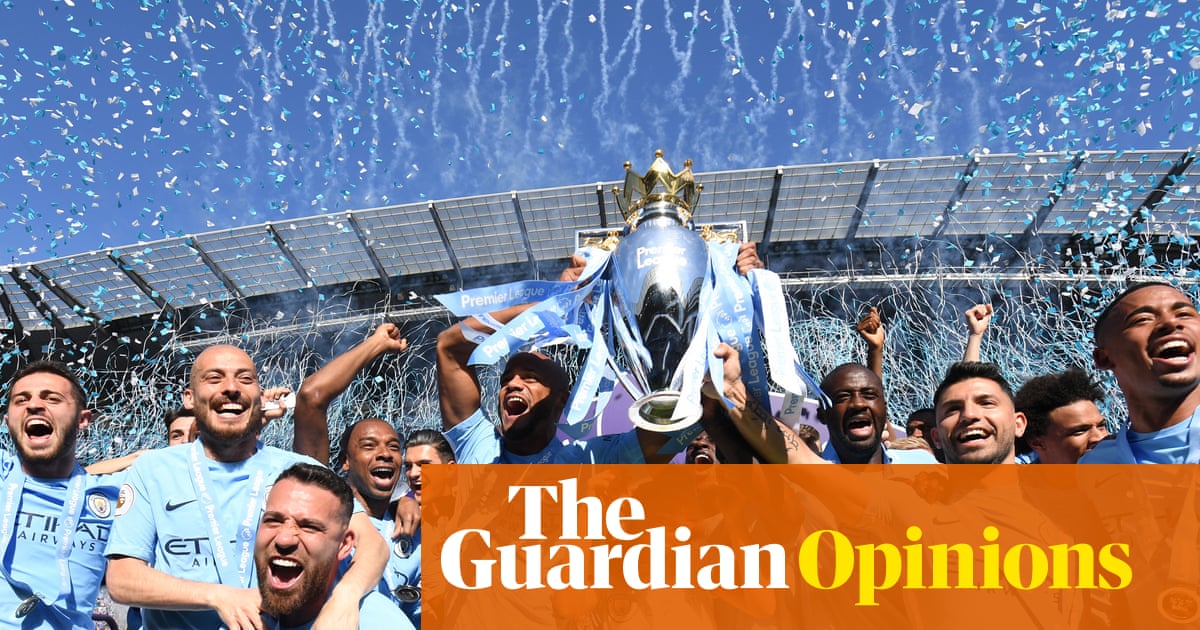
As Barney Ronay reported in The Guardian, this posture ignores the reality of the legal panel's initial decision. Al-Mubarak insists that external reporting has painted City as targets of media bias. He insists that his personal devotion to the club overrides the formal findings.
“This club matters to me.”
That tribal stance appeals directly to a fanbase primed for siege mentality. City supporters view every allegation as a coordinated attack by established rivals. The facts state one thing, but the emotional narrative inside the Etihad is already locked in.
On the pitch, Pep Guardiola has built the most sophisticated tactical machine in modern English football. Yet even his immaculate positional play cannot insulate the squad from this existential storm. The era of unchecked dominance is drawing to an abrupt close.
City defenders argue that spending private capital to upgrade a club should be celebrated rather than punished. Pumping owner funds into sports assets looks, on the surface, like positive ambition. But that argument deliberately misinterprets the entire structure of league competition.
When twenty clubs sign a shared rulebook, breaking financial controls is not visionary investment. It is a direct distortion of fair play. It undermines the work of every rival staff member, player, and supporter who operated within the rules.
What Sanctions Are Coming and What Is Really at Stake
We are currently sitting in the calm before the legal storm. Sanctions could land as early as midweek, setting off a chain reaction across English football. Every board room in the league is waiting for the hammer to drop.
The penalty spectrum ranges from mild slap-on-the-wrist compromises to nuclear regulatory enforcement. A combination of a massive fine, a one-season points deduction, and a transfer ban sits on the lenient end. That outcome would let everyone claim partial victory while preserving the commercial status quo.
Such an outcome would be a total failure of justice. A standard fine means nothing to a state-backed sporting project. It turns deliberate cheating into a minor tax on success.
A far more effective penalty would target City's commercial machinery directly. Imposing a multi-year ban on state-linked sponsorship deals hits the actual root of the charges. It would force the club to generate revenue through organic market growth rather than artificial equity injections.
Consider the scale of market distortion over the past decade. Combined transfer spending between City and Chelsea has comfortably cleared £3bn in recent years. That money flooded global transfer markets, destabilizing leagues across Germany, Spain, and Belgium.
European clubs have watched this financial dominance with growing resentment. If those funds were generated outside permitted sporting rules, the competitive damage is irreversible. Uefa would have every right to demand compensation for damaged continental competitions.
Political Pressure and Governance Failures
This case extended far beyond pitch boundaries long ago. According to reporting from Bloomberg, government officials in the United Arab Emirates floated the idea that foreign direct investment in the UK is tied to how City are treated. That is not conspiracy theory; it is standard geopolitical pressure.
State-owned entities do not invest billions in foreign assets without expecting political protection. When sports regulation threatens sovereign investments, diplomacy gets weaponized immediately. The UK property market and international trade agreements sit quietly in the background of this dispute.
Imagine the systemic precedent if a domestic football regulator forces a foreign state entity to forfeit property. London holds billions in offshore assets that rely on inviolable property rights. A full structural forced sale of Manchester City would send shockwaves far beyond football.
The Premier League created this crisis through years of passive regulation. For decades, the league functioned as a lucrative TV rights agency rather than a strict governing body. As long as broadcasting checks cleared, nobody audited the books too closely.
We saw the same pattern during Roman Abramovich's tenure at Chelsea. The league celebrated record revenues while ignoring clear ownership red flags. They welcomed sovereign wealth funds into domestic football without building safeguards to manage state-level influence.
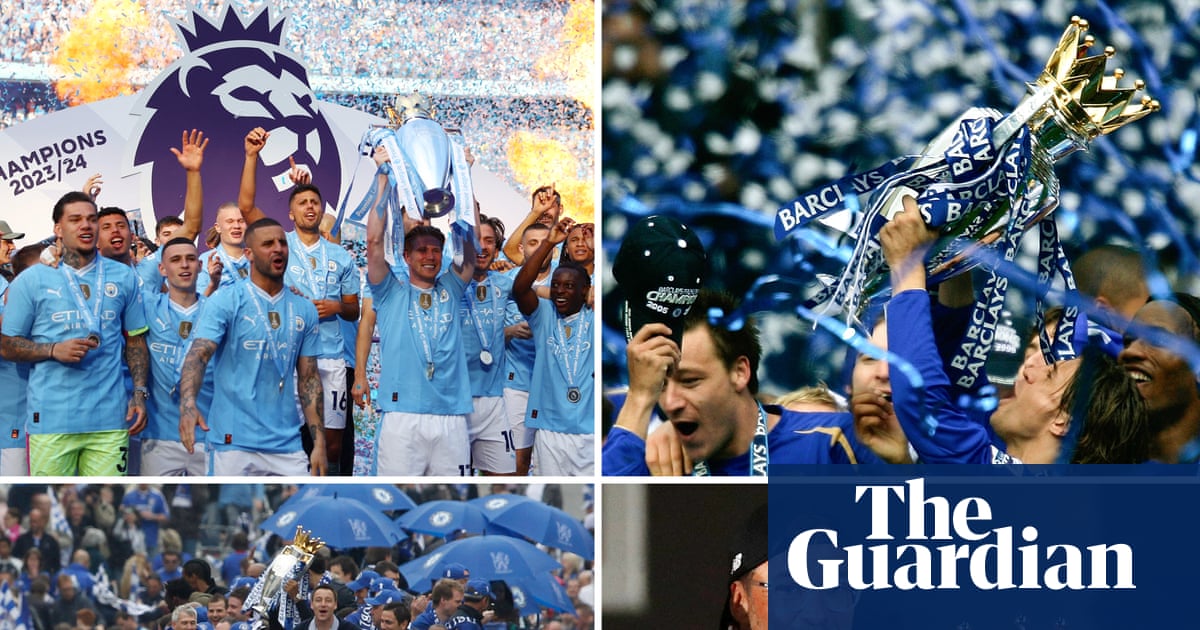
Now, the league faces potential litigation from its own member clubs. Rival teams damaged by lost Champions League qualification or missed titles will demand financial reparations. As highlighted in the Guardian's analysis of the charges, the internal friction could fracture the Premier League entirely.
The threat of club-on-club litigation represents a mortal danger to Premier League unity. If City are stripped of titles or docked massive points retroactively, teams that finished second or missed European qualification will sue for lost earnings. The resulting claims would total hundreds of millions in damages.
That legal chaos would turn every board meeting into an active courtroom battle. Rival owners are not in the mood for reconciliation. The hostility between City's executive suite and the rest of the league has reached a point of zero trust.
The Endgame: High Court Appeals and Final Prediction
City will not accept an adverse ruling from the Premier League's independent panel. The legal pipeline leads directly to an internal appeal, followed swiftly by a referral to the High Court. This battle will drag on for years through civil court channels.
That delay strategy suits City perfectly. In civil court, different rules of evidence and procedural oversight apply. The club previously overturned a Uefa ban at the Court of Arbitration for Sport on procedural grounds. They plan to run the exact same playbook here.
The league administration finds itself trapped in a nightmarish position. If they back down, their regulatory authority dissolves instantly. If they enforce maximum penalties, they risk destroying their own commercial brand through endless lawsuits.
Rival executives are already quietly discussing alternative European super structures again. When domestic governance breaks down completely, radical alternatives start looking attractive. The super league ship may be ready to sail once more.
Here is my confident prediction for how this plays out over the next twelve months. The Premier League panel will hand down a severe points deduction and heavy transfer restrictions midweek. City will instantly file emergency injunctions to freeze the penalty pending High Court review.
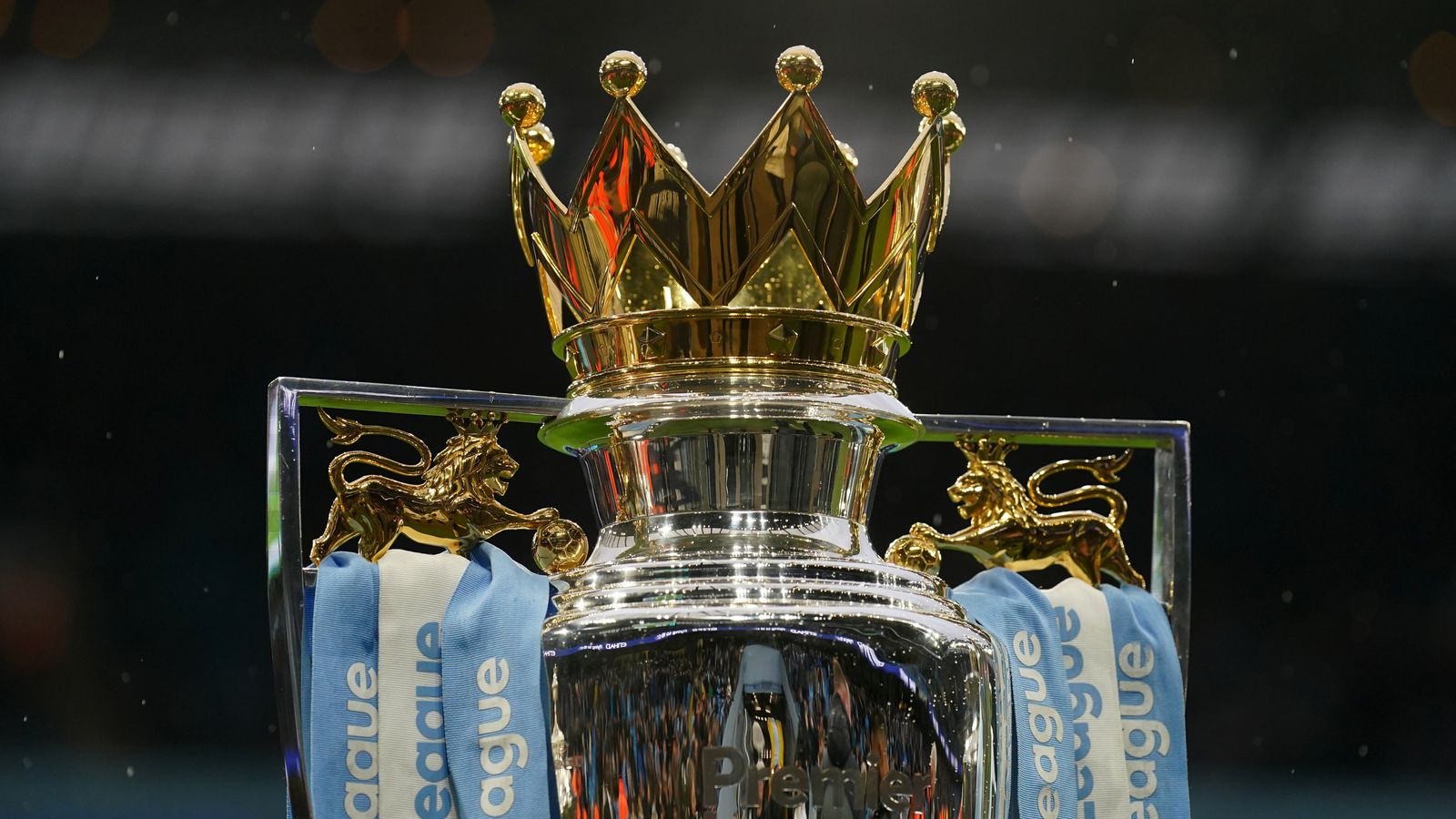
The resulting legal trench warfare will drag into 2027, exhausting both parties. In the end, a compromised settlement will be struck behind closed doors under intense political pressure from Whitehall and foreign diplomats. City will pay an astronomical record fine, accept a deferred points penalty, and keep their trophies, leaving English football's regulatory credibility completely in ruins.
Read Next
- Why Man City's guilty verdict could trigger Premier League civil war
- Why Tony Pulis is right to feel cheated by Manchester City's guilty verdict
- Enzo Maresca's Socrates quotes won't hide Man City's 114 guilty verdicts
- Man City are guilty, but stripping their titles would be total chaos
- ⭐ UCL 2026 — Champions League Quarter-Finals Hub