Nobody signs up to be a Premier League fourth official thinking they will spend Saturday afternoon relaxing in a luxury suite. You know you are reporting for duty to take verbal heat from multimillionaire managers in designer coats while holding up an electronic substitutions board in the rain. But according to veteran referees who have hung up their whistles, dealing with Mikel Arteta feels like babysitting a hyperactive toddler on an espresso bender.
When retired referees review their match sheets on podcasts and television panels, their verdict on the Arsenal boss is brutally direct. He is officially the most exhausting manager in English football to handle on the touchline. You do not need leaked audio from Stockley Park to verify the claim because anyone watching Arsenal on a weekend sees the circus unfold in real time.
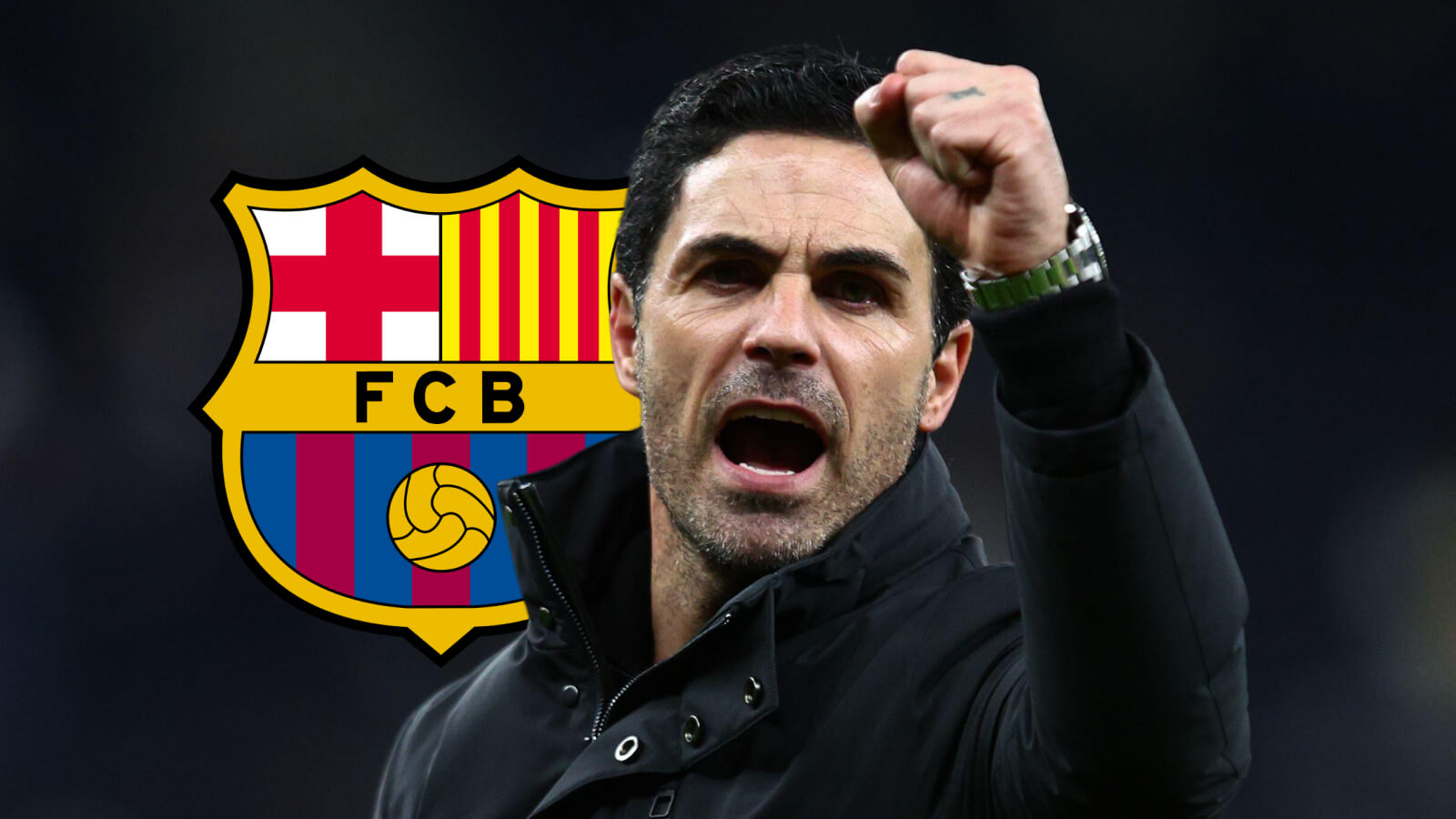
Arteta does not merely direct traffic from his designated technical area. He patrols the boundary line like an agitated stage director who accidentally sprinted onto the set during opening night. If the league installed laser tripwires across the technical boxes, the Emirates Stadium siren would sound continuously from kickoff to full-time.
It is relentless, high-octane theater. Half the time you cannot tell whether he is barking instructions at his left-back or preparing to slide-tackle the opposing winger himself. Referees have quietly tolerated the routine for years, but the patience across the officiating fraternity has finally evaporated.
The Fourth Official Nightmare Shift
Spare a thought for the fourth official assigned to an Arsenal matchday. While the head referee gets to sprint around the pitch and escape the noise, the fourth official is trapped in a tiny rectangle directly beside Arteta and his staff. That is not officiating elite football; that is enduring an exhausting two-hour customer service complaint.
Every disputed throw-in on the halfway line turns into a constitutional emergency. Routine shoulder challenges from Gabriel Magalhaes or William Saliba generate frantic theatrical protests before the ball even crosses the touchline. By the twentieth minute, the official has absorbed more dramatic arm-waving than an air traffic controller directing planes through a blizzard.
The contrast with classic Arsenal history makes this routine even more jarring to watch. Arsene Wenger spent two decades sitting impassively on the Highbury bench, famously battling the zipper on his oversized sleeping-bag coat rather than the match officials. When Wenger finally lost his temper at Old Trafford back in August 2009 by kicking a plastic water bottle, his dismissal was shocking precisely because his usual demeanor was so detached.
Arteta runs on the opposite end of the emotional spectrum. His dial is cranked to maximum outrage before the referee even inspects the match balls in the tunnel. When an assistant referee flags an offside call against Kai Havertz, Arteta reacts with theatrical disbelief, throwing his hands to the sky like a tragic opera star.
Consider the explosive aftermath when Arsenal suffered a 1-0 defeat at Newcastle in November 2023. Arteta spent his post-match press conference tearing into the refereeing standards, calling Anthony Gordon's awarded goal an absolute disgrace. The club hierarchy even backed him with an unprecedented public statement questioning the integrity of the process, turning a tight defeat into an institutional grievance.

Wrestling Heel Energy on the Sideline
Working over the officials is an ancient tradition in English football, and the greatest managers always knew how to apply psychological pressure. Sir Alex Ferguson perfected the dark art by tapping his chunky wrist watch at the fourth official, magically extracting five extra minutes of stoppage time. Jose Mourinho turned post-match press conferences into weaponized stand-up comedy, ensuring referees second-guessed every major whistle for the next month.
Those men operated with calculated, predatory coolness. Arteta feels less like Ferguson and far more like an old-school professional wrestling heel manager pacing the ring apron. He radiates the unhinged intensity of Jimmy Hart waving a megaphone, constantly looking for an angle to bait the referee into a mistake.
He does not simply ask questions or clarify decisions. He jogs along the chalk, mimics cards with his hands, and hovers directly over the linesman whenever play moves near his dugout. When Bukayo Saka absorbs a heavy challenge on the counterattack, Arteta collapses in spiritual agony on the sideline.
Referees are human beings with finite patience, no matter how thick their skin is supposed to be. When an official gets badgered for ninety consecutive minutes, they do not suddenly develop deep respect for your tactical vision. They just want the afternoon to end so they can escape the noise.
Look at what happened when Declan Rice picked up a red card against Brighton in August 2024 for nudging the ball away from Joel Veltman. The Arsenal bench exploded in fury, treating referee Chris Kavanagh like an intruder robbing their home. The outrage played great on social media, but it completely ignored how foolish Rice had been to commit an obvious technical infraction while on a yellow card.
The Price of Permanent Outrage
Arsenal supporters always rush to defend their manager by labeling this chaotic behavior as pure passion. They will point to Pep Guardiola arguing with fourth officials, or remind you that Jurgen Klopp once pulled a hamstring screaming into the face of John Brooks after a wild 4-3 win over Tottenham. Those deflections miss the point entirely because Arsenal have transformed touchline hostility into their defining organizational personality.
Passion inspires a squad, but chronic whining simply exhausts everyone in the room. There is an enormous gap between motivating your players and using the officiating crew as an automatic scapegoat for every dropped point. Whenever Arsenal stumble, the post-match narrative focuses on whistle conspiracies rather than missed chances or passive defending.
The disciplinary record speaks for itself. Arsenal accumulated over £100,000 in fines across multiple campaigns for failing to control their players and technical staff during tense league fixtures. Fines like that do not pile up through bad luck; they happen because the man steering the ship normalizes constant confrontation.
When the leader on the touchline spends every minute in panic mode, the players on the grass internalize that anxiety. That emotional fragility cost Arsenal dearly during championship run-ins where icy composure was needed to clear the final hurdles. Manchester City never edged them out because Guardiola shouted louder at fourth officials; City won because they stayed cold while Arsenal were busy picking fights with the referee.
Arsenal dropped vital points when they let frustration take over their football. During a high-stakes title race, you cannot afford to waste mental energy protesting a routine throw-in in the 65th minute when you should be organizing your defensive transition. Championship teams channel their anger into ruthless execution rather than sideline hysterics.
Why Arsenal Need Their Boss to Cool Down
When retired whistleblowers go public with their complaints about Arteta, it is not an isolated vendetta. Referees swap stories at their weekly training camps, and reputations travel fast through the professional ranks. Once officiating crews conclude that a manager will harass them regardless of how well a match is called, borderline fifty-fifty decisions stop going his way.
The tragedy is that Arteta does not need the pantomime drama to succeed. He transformed Arsenal from a broken, spineless punchline into one of the most terrifying, tactically sophisticated units in world football. His defensive organization is elite, his player development is world-class, and he restored genuine pride to a club that had spent a decade drifting in mediocrity.
That coaching pedigree is why his touchline routine feels so baffling. Great managers let their tactical systems dismantle opponents; they do not need to play the role of an over-caffeinated mascot on the sideline. If Arteta wants to lift the Premier League trophy, his biggest adjustment will not happen on a tactical whiteboard.
It will happen in his own head. He needs to step back from the chalk, trust his players to handle the pressure, and stop treating fourth officials like personal punching bags. Until he dials down the drama, he remains his own team's biggest distraction.