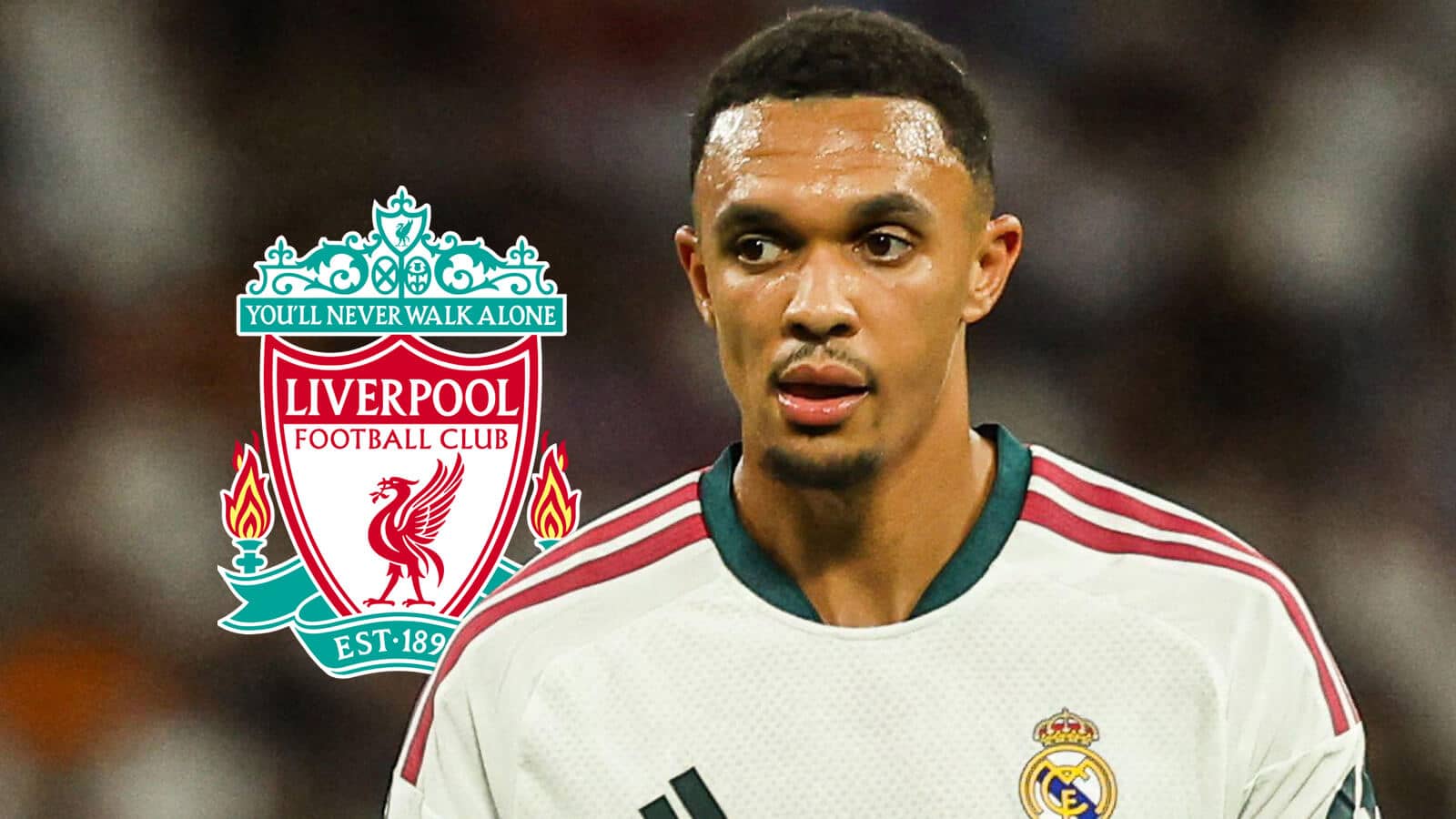
Kevin Keegan understood football’s soul in a way the modern game never will
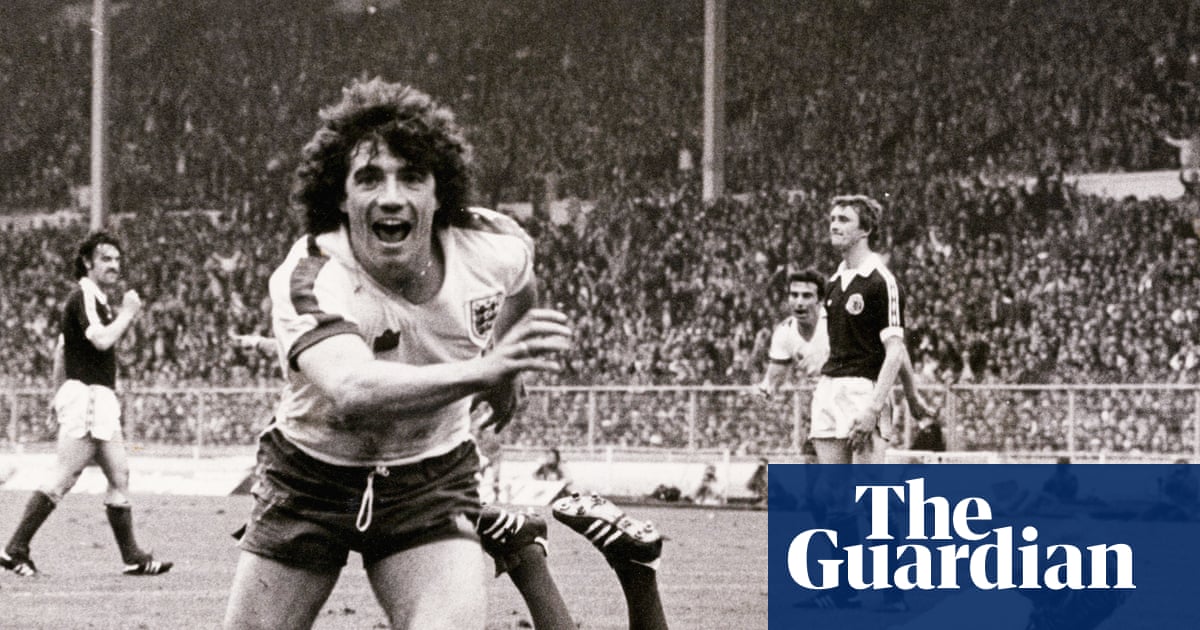
The Passing of a Football Romantic
Today, football lost one of its most magnetic figures. As The Guardian reported, former England and Newcastle manager Kevin Keegan has died at age 75. The news follows his public revelation in June 2026 that he was battling stage four cancer, a fight he met with his characteristic determination.
His death marks the end of an era. Keegan was the ultimate football populist, a man who managed with his heart pinned to his sleeve. He stood as the antithesis of the modern, clinical, spreadsheet-driven sport that dominates our current era.
To understand Keegan is to understand the power of sheer momentum. He did not build systems to minimize risk or maximize possession metrics. He built teams to make people feel alive, prioritizing vertical attack over lateral safety.
His final months showed that same indomitable spirit. Last Christmas, the illness left him floored, confined to bed, and his family tearful. Yet by May 2026, he was back in Newcastle for his last public appearance.
At that gathering, he still possessed his trademark electric smile. The Daily Mail noted how he charmed hundreds of adoring fans. He remained cheeky, funny, and deeply connected to the people who worshipped him.
The Shankly Engine and the Hamburg Peak
Before Keegan was a manager, he was the tireless engine of Bill Shankly’s Liverpool. He joined from Scunthorpe United in 1971 and immediately redefined the role of the modern English forward. He was not a static target man waiting for service.
Keegan chased down defenders, pressed from the front, and dragged his teammates forward through sheer work rate. Under Shankly and Bob Paisley, he won three First Division titles and the European Cup. His partnership with John Toshack became the blueprint for twin-striker systems across Europe.
Toshack provided the aerial focal point, winning first contacts against center-backs. Keegan exploited the second balls with ruthless acceleration and direct running. This physical partnership made Liverpool the dominant force in domestic football.
Then came the move to West Germany. Joining Hamburg in 1977 was a massive gamble for a British player at the peak of his powers. Yet it resulted in Keegan winning the Ballon d'Or in both 1978 and 1979.
In the Bundesliga, he adapted to a more structured, tactical style of play under manager Branko Zebec. Zebec's extreme physical conditioning regimen and strict defensive shape forced Keegan to develop tactical discipline. He learned how to operate in tight spaces against disciplined low blocks.
He scored 17 goals in the 1978-79 season, proving that an English attacker could dominate in a tactical league. This was a massive tactical shift for German football, which had traditionally relied on power and direct play.
His England career was equally notable, yielding 63 caps and 21 goals. He captained his country and carried the expectations of a nation on his shoulders. His playing career ended after a brief spell at Newcastle, where he helped secure promotion in 1984.
The Tactical Anarchy of the Entertainers
When Keegan returned to Newcastle as manager in 1992, the club was facing relegation to the third tier. Within a few years, he had them challenging Manchester United for the Premier League title. His tactical approach was often dismissed as naive by his peers.
Detractors claimed he simply told his players to go out and enjoy themselves. This analysis is lazy and misses the structural patterns of his team. Keegan’s Newcastle utilized a highly structured, vertical transition model that exploited opponent width.
They played a fluid 4-4-2 that shifted into a 2-4-4 in possession. Robert Lee pushed forward from midfield to join the attack. David Ginola stretched the opposition on the left flank, while Keith Gillespie provided direct width on the right.
The system relied on quick, vertical passing combinations. Peter Beardsley acted as the creative connector. He dropped into the space between the opposition midfield and defensive lines, creating overloads.
Beardsley’s intelligence allowed Andy Cole, and later Les Ferdinand, to make diagonal runs into the box. Newcastle did not pass for the sake of possession. They looked to break lines with every single forward movement, maintaining a high tempo.
Cole scored 34 league goals in the 1993-94 season, a club record that still stands today. This record was not an accident of form but the result of a system designed to generate high-quality chances. Beardsley contributed 21 league goals in the same campaign.
However, this aggressive verticality carried severe defensive risks. Newcastle lacked a dedicated defensive midfielder to shield the back four. Philippe Albert was encouraged to carry the ball forward from central defense, leaving huge gaps behind him.
This vulnerability cost them dearly in the 1995-96 season. Newcastle had built a lead of 12 points at the top of the table in January. Yet they collapsed under the weight of Manchester United's relentless pressure.
The iconic 4-3 defeat to Liverpool at Anfield in April 1996 encapsulated this tactical imbalance. Newcastle led twice but refused to sit back and defend. They continued to throw bodies forward, ultimately conceding a late winner to Stan Collymore.
Keegan’s emotional vulnerability was laid bare in his famous television interview shortly after. His declaration that he would love it if Newcastle beat Manchester United became legendary. It was raw, honest, and entirely human, showing the pressure of the title race.
The Modern Era and the Chase for Franculino Dju
Contrast that romantic era with the current state of Newcastle United. Today, the club is a state-backed institution operating under the strict parameters of Profit and Sustainability Rules. Every move is calculated by data analysts and sporting directors.
Newcastle’s recruitment team is currently locked in a multi-club battle to sign FC Midtjylland attacker Franculino Dju. An exclusive report from TeamTalk indicates Newcastle and Leeds are among five Premier League clubs chasing the young forward.
Franculino is the quintessential modern transfer target. He is young, versatile, and highly efficient in transition. Midtjylland’s analytical model is designed to develop such assets for massive profit.
Midtjylland operates a highly fluid system under Thomas Thomasberg. Franculino has shown immense tactical flexibility, playing on either flank or as a central striker. His ability to press from the front makes him an ideal target for modern Premier League systems.
Modern scouting relies on expected goals, progressive carry rates, and defensive pressures per ninety minutes. Franculino fits these metrics perfectly. He is a product of a system designed to maximize efficiency rather than capture the imagination.
This is the reality of the game in 2026. Clubs no longer rely on a manager's eye or personal charisma to attract talent. They use complex algorithmic models to identify undervalued assets in secondary leagues.
The contrast with Keegan’s recruitment style is stark. Keegan signed Alan Shearer in 1996 by sitting in his front room and talking about what the club meant to the city. It was a personal connection, not a data-driven pitch.
Modern fans appreciate the competence of the current Newcastle ownership. The team is competitive, stable, and tactically disciplined under Eddie Howe. Yet something vital has been lost in this transition to corporate efficiency.
Modern managers are highly trained corporate spokespeople. They speak in platitudes, analyze games through expected goals, and rarely show genuine emotion. Keegan’s raw passion has been replaced by calculated media management.
Reclaiming the Soul of the Sport
We must ask ourselves what we want football to be. Is it a battle of balance sheets and optimized press triggers? Or is it a vehicle for collective joy and heartbreak?
Keegan understood that football is entertainment. He believed that fans who paid their hard-earned money deserved to see something spectacular. He was willing to risk defeat to chase glory.
His legacy is not measured in trophies. He did not win the Premier League with Newcastle. He did not win a major tournament as England manager.
Yet he remains one of the most beloved figures in English football history. Fans do not remember the tactical errors or the defensive collapses with anger. They remember the thrill of the ride.
As we look at the modern game, with its sterile press conferences and calculated transfers like the chase for Franculino Dju, we should remember Keegan’s lesson. Football belongs to the fans. It is about the connection between the pitch and the stands.
Keegan’s doctor reportedly told him he had a tremendous strike rate at tackling his cancer. He fought the disease with the same determination he showed on the pitch. His passing leaves a void that the modern game cannot fill.
We will likely never see another manager like him. The modern system does not allow for such unfiltered passion. But we can still cherish the memory of the Entertainers, a team that played without fear.
adidas FIFA World Cup 2026 Trionda Club Ball
Start the World Cup hype early with the official ball for the 2026 tournament.
Frequently Asked Questions
At what age did Kevin Keegan pass away?
Which teams did Kevin Keegan play for during his career?
How many times did Kevin Keegan win the Ballon d'Or?
What tactical approach defined Kevin Keegan's management style?
What was the significance of the Keegan and Toshack partnership?
More Coverage

Why Steven Gerrard's England midfield warning still matters today
1 week, 6 days agoThese 10 unheralded stars could quietly decide the Premier League title race
1 month, 1 week ago
Lewis Hall snubs Man United with five-year Newcastle contract extension
1 month, 1 week ago
Why Carrick will be forced to abandon his Cunha false nine experiment
1 month, 1 week ago
Why Man United's patience on Lewis Hall is a massive gamble for INEOS
1 month, 1 week ago
Newcastle's £75m Lewis Hall price tag stalls Man United's deadline day plans
1 month, 2 weeks agoMore Analysis
Why Steven Gerrard's England midfield warning still matters today
1 week, 6 days ago
Match of the Day's main hosts are dating while BBC Sport faces mutiny
1 week, 6 days ago
Beckham, Ronaldo, and 90 years of October 6 football madness
1 week, 6 days ago
Why Sir Alex Ferguson's ruthless contract rule is coming back to football
2 weeks, 2 days ago
Chiesa wants out at Liverpool as Haaland and Mitoma rumors heat up
2 weeks, 3 days ago