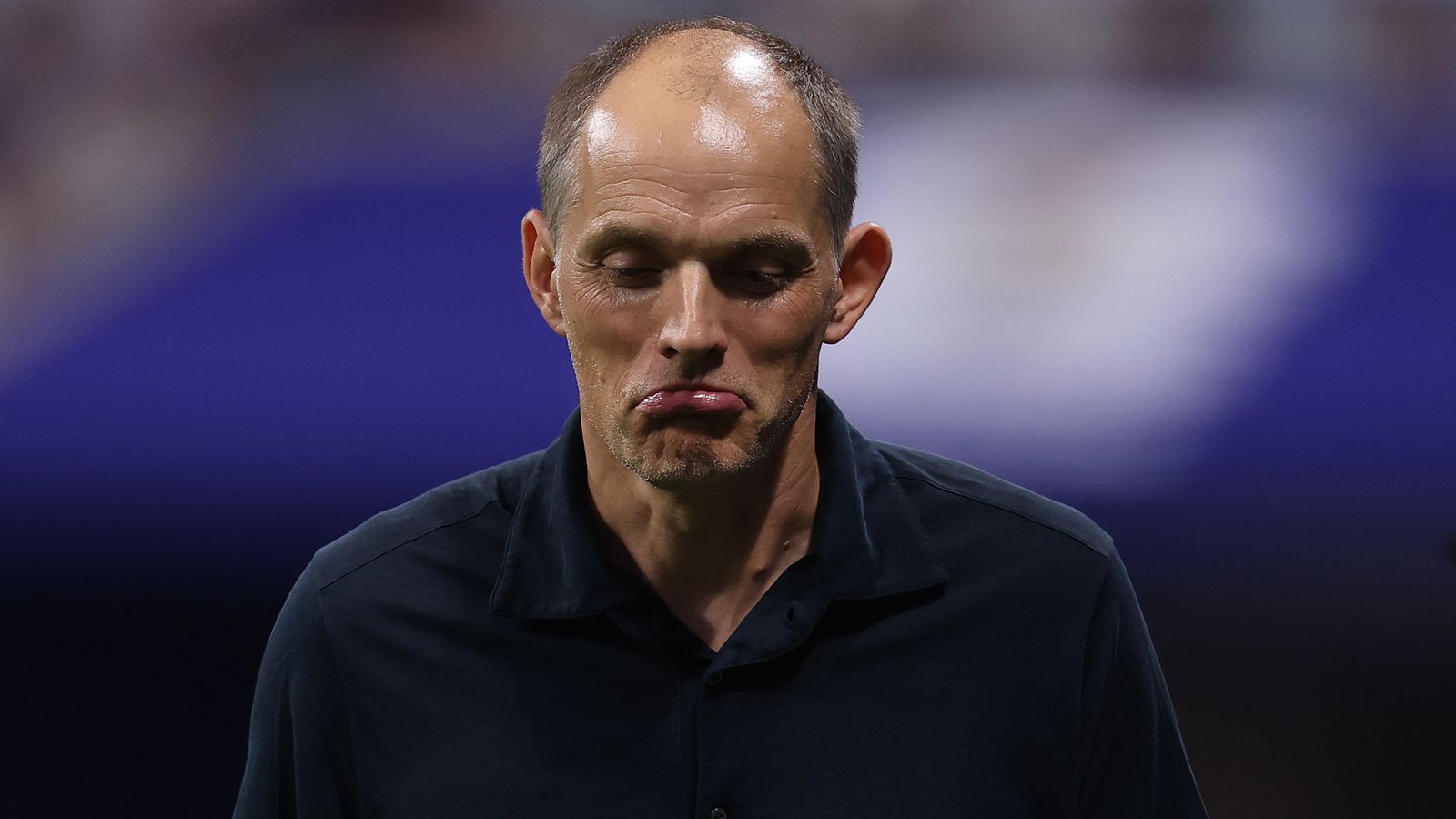
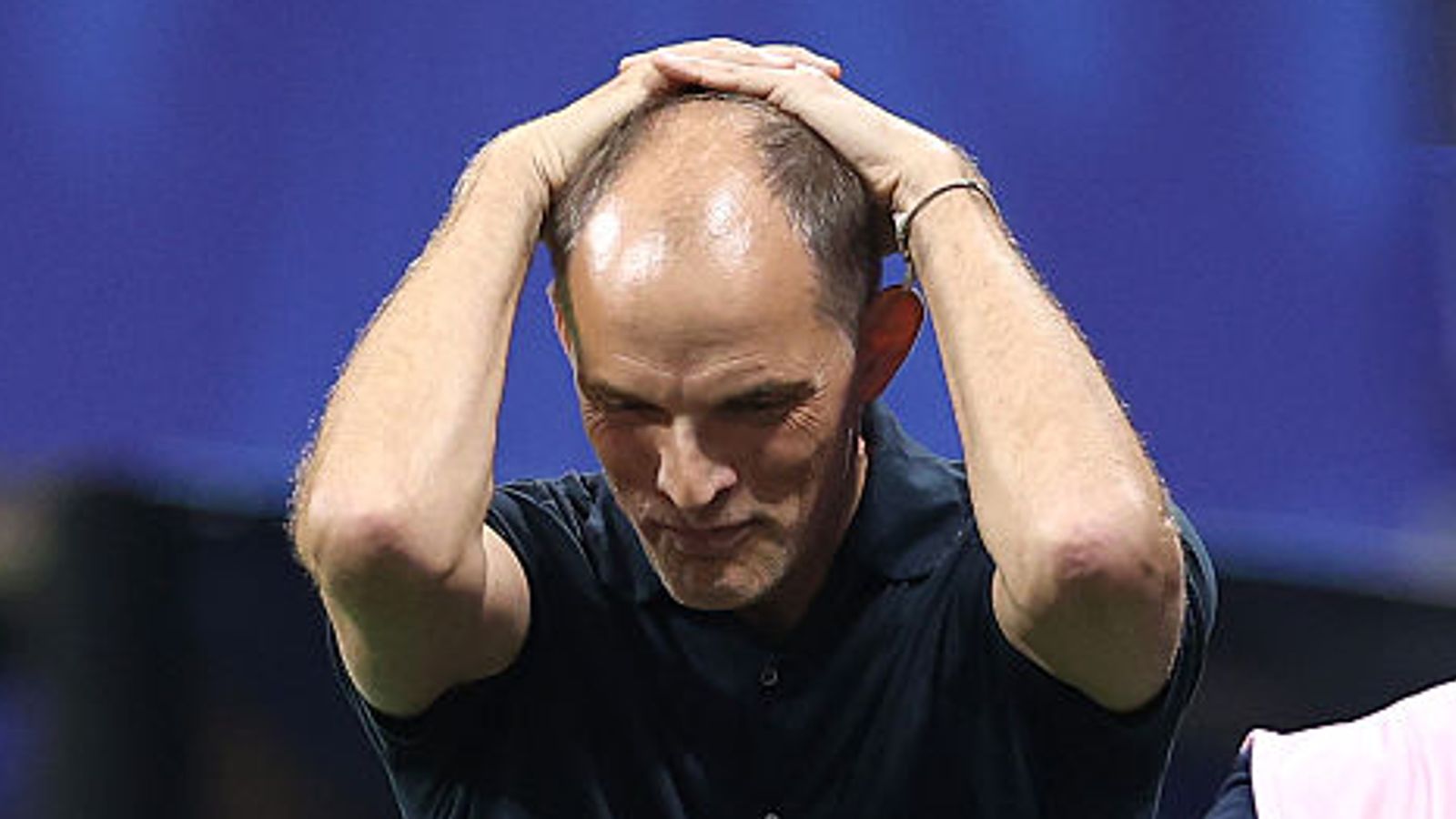
The shadow of a quiet final
The wreckage of last week's 1-0 defeat to Spain in the World Cup final remains on the pages of Buenos Aires newspapers. While international critics focused on an anaemic attacking display, domestic outlets have largely circled the wagons around the squad. Defending a team that mustered a dismal expected goals tally is a fragile exercise in loyalty.
Tactically, Argentina struggled to cope with Spain's central block. By the 65th minute, the pivot of Enzo Fernandez and Alexis Mac Allister looked physically drained, constantly bypassed by vertical transitions from Pedri and Gavi. The lack of press resistance was a primary failing; once Spain broke the first line, the midfield space became a vacuum.
Defining the post-Messi horizon
Whispers about the long-term future of the spine are growing louder. The reliance on legacy personnel has obscured the lack of a clear succession plan for the creative engine room. When the Argentina press notes that there is nothing to blame the team for, they are highlighting a collective exhaustion rather than tactical incompetence. It feels like a period of transition is being willed away by those unwilling to face reality.
We need to look at the individual profiles. Julian Alvarez, despite his tireless running, spent the majority of the second half isolated between two center-backs. His heat map showed almost zero presence in the final third after the 70th minute. This was not a failure of work ethic, but a structural collapse in delivery from the wide areas.
Tactical rigidity as a death trap
The refusal to shift from the low block during the final 20 minutes was the most questionable decision of the match. With the score at 1-0, persistence in the same defensive shape only invited more pressure. It was not a tactical masterclass, but a stubborn adherence to a game plan that had already been dismantled by Spain's ball retention.
There is a specific concern that this group has hit a ceiling. The defensive line, once lauded for its intensity, looked susceptible to rapid switches of play. The fullback pairing were caught narrow on three separate occasions, leading to the primary chance that ultimately decided the result. It is a recurring flaw that teams with elite width can exploit with ease.
Looking ahead, the squad requires a injections of pace. The reliance on technically gifted but slow-footed distributors has made build-up play predictable. A faster transition phase is the only way to compete with the current European elite, who have optimized their defensive recovery intervals to a frightening degree. If they do not adapt, they will remain spectators in their own matches against top-tier opposition.
Predictions for the road ahead
The recovery from this tournament will be slow. I expect a significant pivot in the starting XI during the next international window as the manager faces pressure to integrate younger prospects. Sticking to the current personnel is a doomed strategy that prioritizes sentimentality over output.
My prediction for the remainder of this calendar year is that we will see a decline in defensive solidity as the team attempts to push higher up the pitch. It is a necessary risk. The old guard might provide comfort, but they no longer provide the necessary fluidity to control games against world-class midfields. Expect at least one high-profile shock exit in the next qualifying tournament.
Read Next
- Spain’s tactical discipline killed the dream in the 2026 World Cup final
- Tactical fatigue looms as the World Cup final approaches
- Argentina choked and Spain proved football isn't played on paper
- Argentina's World Cup hangover won't end with a bank holiday
- 🇦🇷 Argentina World Cup 2026 — Defending Champions Hub