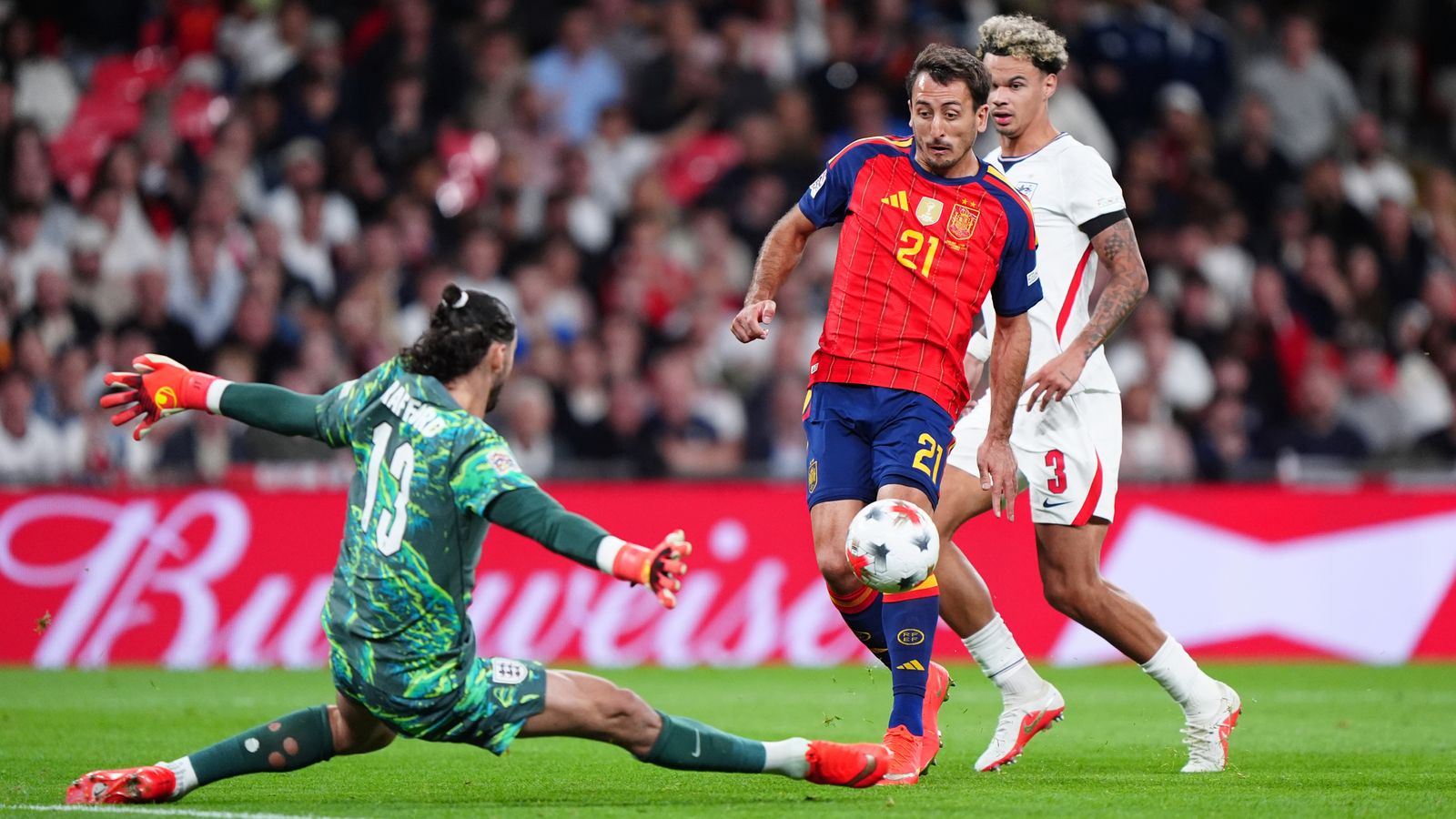
Measuring the efficiency of Spain’s defensive wall
Spain lifted the 2026 World Cup trophy yesterday after conceding only 1 goal throughout the entire tournament. This defensive miserliness serves as a quantitative rebuke to the high-scoring, high-risk philosophy often favored by their contemporaries. Over seven matches, they maintained a level of structural integrity that rendered most opposing attack patterns obsolete.
The math behind the championship
In the final against Argentina, Emi Martínez faced constant, suffocating pressure from a Spanish side that refused to cede possession in dangerous zones. While Argentina relied on moments of individual brilliance, Spain operated as a singular machine designed to neutralize transitions. The tactical consistency required to maintain that level of control over 630 minutes of regulation play is statistically staggering.
Comparing the historical efficiency
Historically, World Cup winners often endure a high-octane path to the final, but Spain’s path was defined by the suppression of opponent expected goals. As The Guardian reported, the squad’s ability to halt rapid breakthroughs was the primary factor in their success. When you look at the 14% conversion rate of teams facing Spain during the knockout stages, the reality of their dominance becomes clear.
However, the tournament was not without its flaws. The reliance on such rigid positioning often stifled creativity during the midpoint of the group stage. In their match against lower-ranked opponents, they recorded zero shots on target during the opening 35 minutes of play, a dip that drew audible frustration from the traveling support.
Defining the winning margin
The final scoreline of 2-0 obscures the intensity of the struggle. Argentina forced multiple saves, but the underlying numbers confirm that Spain won the war of attrition in the center of the pitch. By the 78th minute, their pass completion rate in the defensive third was sitting comfortably above 92%, preventing any chance of an Argentine resurgence. It was a victory for the system, proving that, at least for this cycle, control triumphs over flair.
Read Next
- Tactical fatigue looms as the World Cup final approaches
- Spain's systemic rigidity is the grim future of international football
- Spain just killed the superteam era and the internet needs to cope
- Spain’s World Cup triumph highlights a deeper tactical rot
- 🏆 World Cup 2026 — Full Coverage Hub
- 🇪🇸 Spain World Cup 2026 — La Roja Hub
- 🏆 World Cup 2026 Final — MetLife Stadium Hub