The transition from Anfield to international management
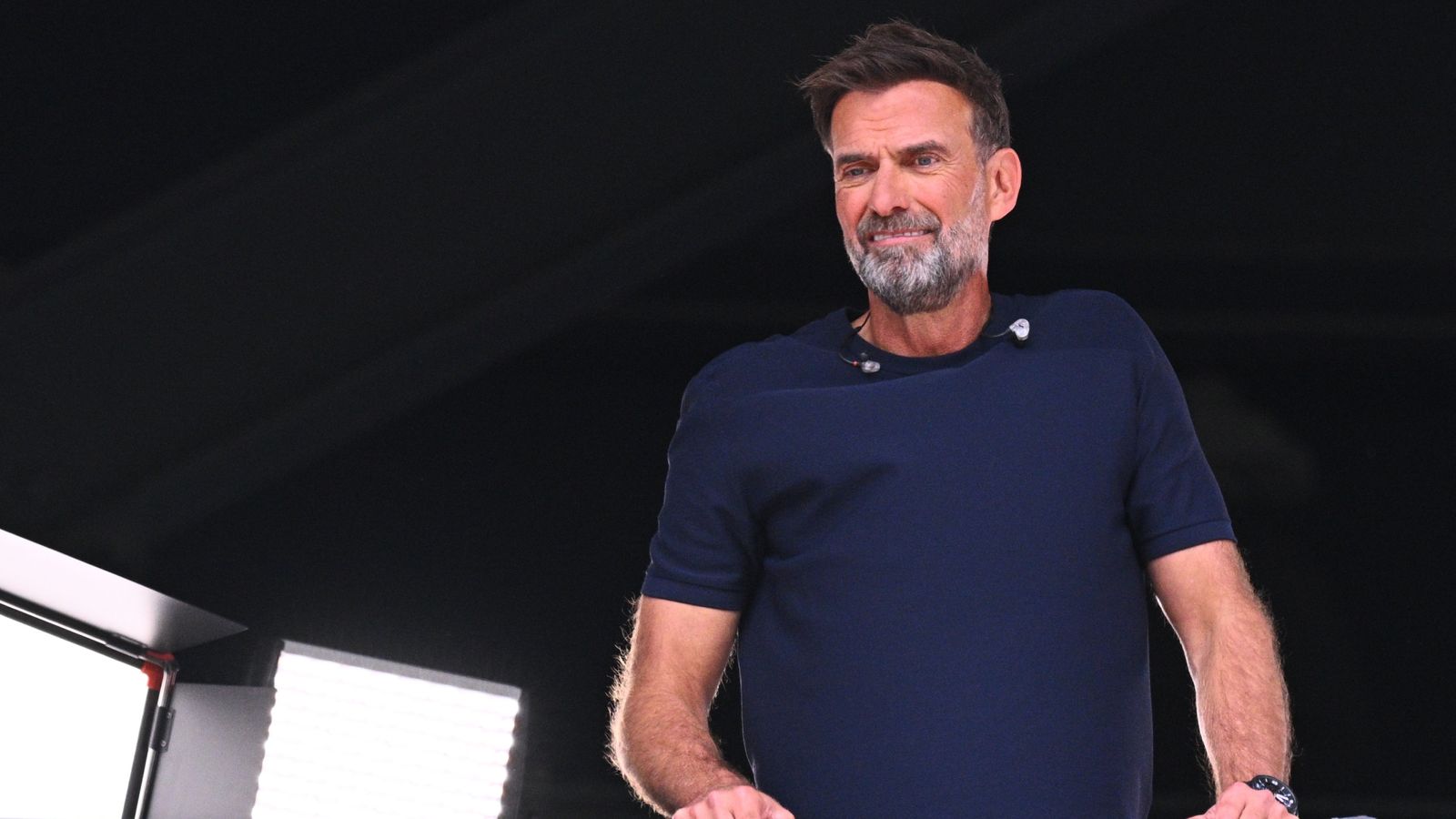
Jurgen Klopp is finally stepping back onto the pitch, though the scenery has shifted from the intensity of the Premier League to the complex reconstruction of the German national team. After moving on from his tenure at Liverpool, the weight of expectation on his shoulders is immense. A national side in search of an identity needs more than just charisma; it needs the tactical evolution that defined his best years in Dortmund.
His appointment follows the departure of Julian Nagelsmann, a manager who struggled to balance defensive volatility with attacking ambition. The German federation is looking for a stabilizer, yet they have hired a coach whose philosophy relies on high-octane transitions. This creates a fascinating tension. Can a team built on deliberate possession adapt to a manager who thrives on organized chaos?
Tactical friction and the personnel problem
Klopp inherits a squad that has fluctuated wildly between cohesive pressure and defensive vulnerability. During Nagelsmann’s final stretches, the space between the midfield and the backline expanded, leading to high-xG concessions against medium-block opponents. Klopp must install his signature heavy-metal pressing structure, but his success depends on the physical profile of the current midfield crop.
The departure of established stars has left gaps in the defensive pivot positions. Klopp is known for his ruthless squad management, and it is likely we will see a shift in the starting XI within his first few qualifiers. Do not expect him to coddle veteran status if the energy output does not match his requirements. He is not there to make friends; he is there to overhaul the tactical output of a flagging titan.
The danger of over-reliance on a name
Despite the fanfare surrounding his arrival, there is a legitimate concern regarding the talent pool. While Germany remains a global force with a deep academy system, criticism of the national setup has been persistent since the 2022 World Cup. Klopp is an elite motivator, but he cannot conjure world-class technical talent where the development pipeline has stalled, especially in the fullback positions.
Critics point to the struggle to integrate younger prospects with established anchors. If the transition results in a 4-2-3-1 formation that lacks pace on the flanks, the defensive gaps will widen against teams prepared to counter-attack. The high defensive line Klopp favors requires exceptional recovery speed from center-backs, an asset that has been inconsistently available in recent international windows.
Predicting the impact
The short-term window for these qualifiers will be messy. We should anticipate a period of adjustment where the press is mistimed and the structure looks susceptible to long-ball transitions. However, the emotional shift in the dressing room should be immediate. Klopp possesses the gravity to command the room in ways his predecessors simply could not.
I expect the first three matches under his stewardship to yield a mixed bag: a dominant 2-0 win over weaker opposition masked by defensive fragility, followed by a tactical draw against a disciplined mid-tier side. The defensive issues will not be solved by January, but the verticality of their attack will improve by at least 15% in possession metrics. He will stabilize the ship, but he will not turn them into tournament favorites before the next major cycle begins.