The new era begins in Lisbon
The appointment of Jorge Jesus as the head coach of the Portugal national team is a signal of intent. He has signed a contract reaching through the 2030 World Cup, confirming a long-term commitment to reshaping the squad. This move comes immediately following a disappointing exit from the 2026 tournament. The Portuguese federation clearly feels the side has stagnated. Bringing in a manager known for his fiery temperament and tactical rigidity suggests they want a disciplinarian, not a friend.
The shadow of the past
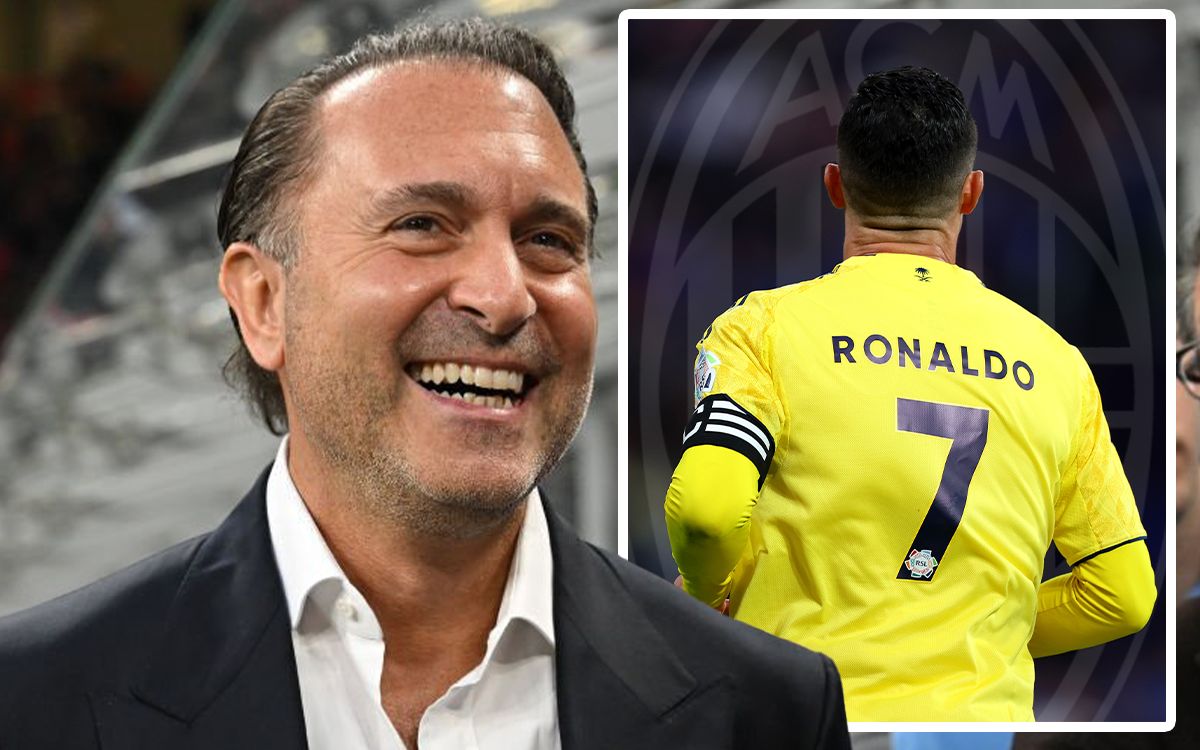
Every conversation about the national team inevitably hits the same wall: the role of Cristiano Ronaldo. Reports from Mirror Football suggest that Jesus has already issued an ultimatum regarding the veteran forward's future. The narrative that his international career was nearing a natural conclusion has been challenged by the new regime. FourFourTwo confirms that Jesus is open to keeping him involved, provided the player adapts to a new reality.
Tactical frictions ahead
Jesus prefers an organized, high-intensity structure that places immense pressure on individual work rates. Watching how this gels with a player who has functioned as a central focal point for two decades is the primary point of interest. There is a glaring issue here. If Jesus insists on a system requiring consistent defensive tracking from his forward line, the former Real Madrid star will need to accept a diminished role. During the 2026 World Cup, any tactical rigidity was easily exploited by teams utilizing quick transitions. Portugal lost their dynamic edge because the spacing between their attacking stars and the pivot became too cavernous.
The rebuilding mandate
As the BBC reports, Jesus is already reuniting with key figures to steady the ship. However, sentimentality is a dangerous game. The squad needs an injection of pace in the wide areas, particularly where they looked predictable against deep-sitting blocks in their last three fixtures. Defensive transitions were a liability in the quarterfinals. Too often, the center-backs were left isolated because the midfield pivot failed to drop into the half-spaces when possession was lost. This structural failure resulted in an xG-against spike of 1.4 per game during the knockout stages.
Predicting the early fallout
The honeymoon phase under a new manager usually sees a spike in intensity, but the underlying personnel choices remain a concern. Jesus will likely push for a more traditional 4-3-3 compared to the fluid yet drifting formations seen earlier this summer. My prediction is that Ronaldo remains for the Nations League, but eventually loses his starting spot by the 14th month of the Jesus tenure. The transition to a post-Ronaldo attack is inevitable; the stubbornness of both parties involved will likely make this process significantly more chaotic than it needs to be.
Read Next