The midfield battleground
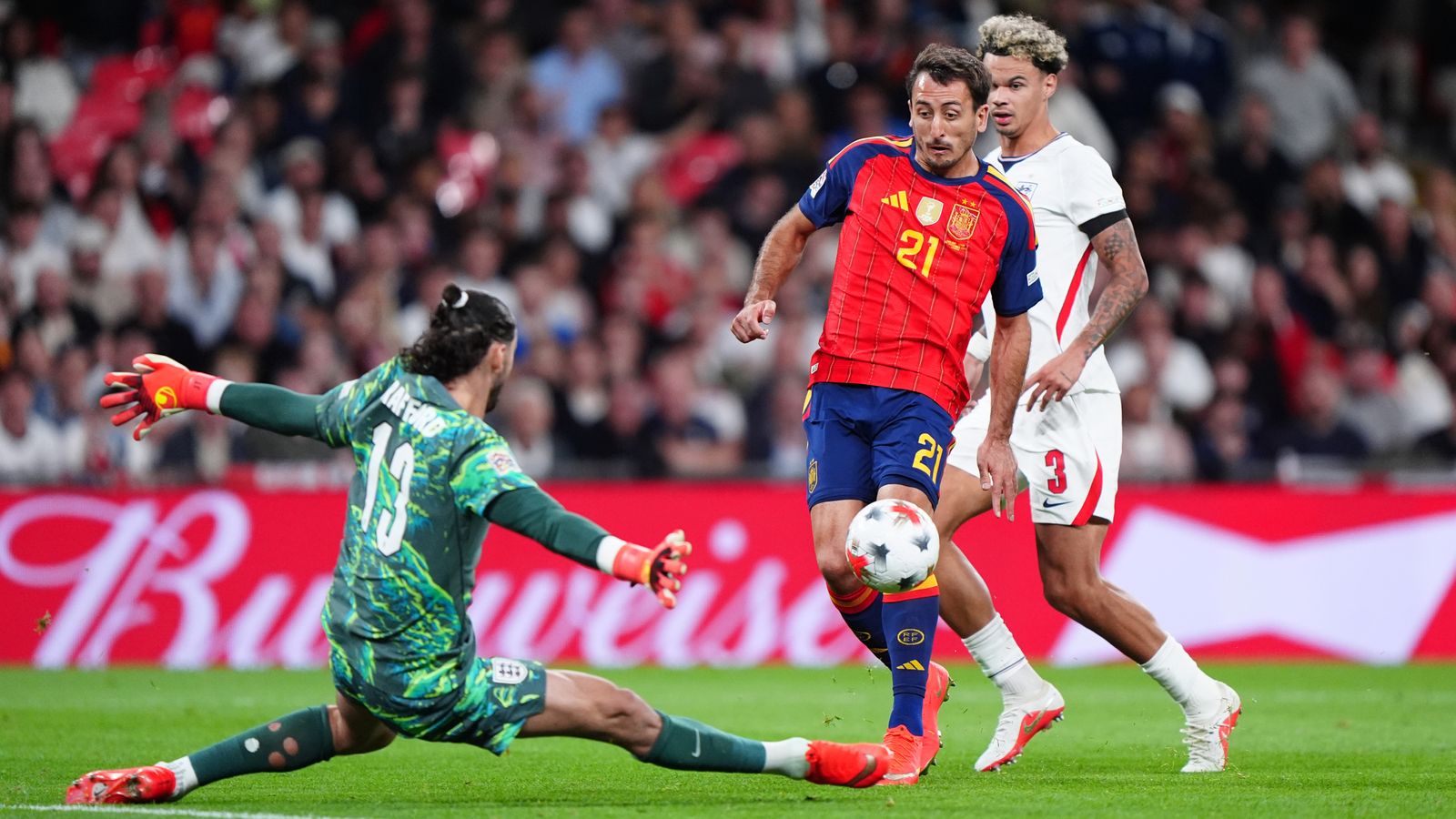
Spain enters this semifinal fixture buoyed by Mikel Merino’s 119th-minute winner against Belgium. That result was not a fluke of fortune, but the logical conclusion of a system designed to suffocate opponents through possession and relentless vertical pressure. Luis de la Fuente has successfully transitioned this squad from the stale passing drills of previous cycles into a streamlined, high-octane machine.
Belgium struggled to bridge the gap in the middle third during the quarter-final, often finding their pivots isolated against Rodri. Watch for how Spain utilizes the half-spaces when France attempts to compress the midfield block. If the French defensive line holds deep, Spain will look to pull the full-backs out, creating gaps for Nico Williams and Lamine Yamal to exploit in one-on-one isolations.
The disruption problem
For all the praise surrounding Spain, there is a recurring architectural flaw in their defensive transitions. They are prone to over-committing full-backs, leaving center-backs exposed to direct, pacey counters. Look at the data from the last three matches; Spain concedes an average of 1.2 defensive recoveries inside their own third per game.
This is where Didier Deschamps will hunt his edges. Antoine Griezmann has been operating less as a forward and more as a sophisticated connector, tasked with identifying these specific moments of defensive imbalance. If France can win the ball in the transition phase, the speed of Kylian Mbappe—provided he is fit to start—will be the primary weapon aimed at the heart of the Spanish backline.
The stakes at the Allianz Arena
Everything hinges on the battle between Aurelien Tchouaméni and the Spanish midfield triumvirate. If the French pivot is forced to defend in wide areas against inverted wingers, his positional discipline will be tested to the limit. The Spanish approach to the game has been aggressive, averaging 14 shots per game throughout this tournament.
Conversely, France has maintained a pragmatic, controlled output that minimizes risk at the expense of pure entertainment. The crowd in Munich will likely witness a slow-burning tactical battle that hinges on individual errors rather than a total breakdown of set shapes. The result of this match will depend on who manages the transitional space more effectively: the creative masters or the structural disruptors.
The Verdict
Spain currently holds a fluidity that France has yet to replicate in this competition. While the French side possesses the individual star power to score from half-chances, their reliance on defensive solidity often turns games into slogs. Spain will dominate the ball and, eventually, force a vulnerability in the French structure through high-intensity pressing sequences.
My prediction for the match: Spain will progress with a 2-1 victory. France will secure an early counter-attacking goal, but Spain’s depth and tactical consistency will overwhelm the French defensive block by the 75th minute. It is a bold call, but one backed by the observed trends in tournament ball progression.
Read Next
- Tactical tension as Spain-Belgium headlines the knockout stages
- Spain’s defensive invincibility finally breaks against Belgium
- Spain and Belgium collide in a tactical masterclass
- France are dismantling the World Cup field with clinical efficiency
- 🇫🇷 France World Cup 2026 — Les Bleus Hub
- 🇪🇸 Spain World Cup 2026 — La Roja Hub