Nicholson Issues Public Vote of Confidence After Disaster Week
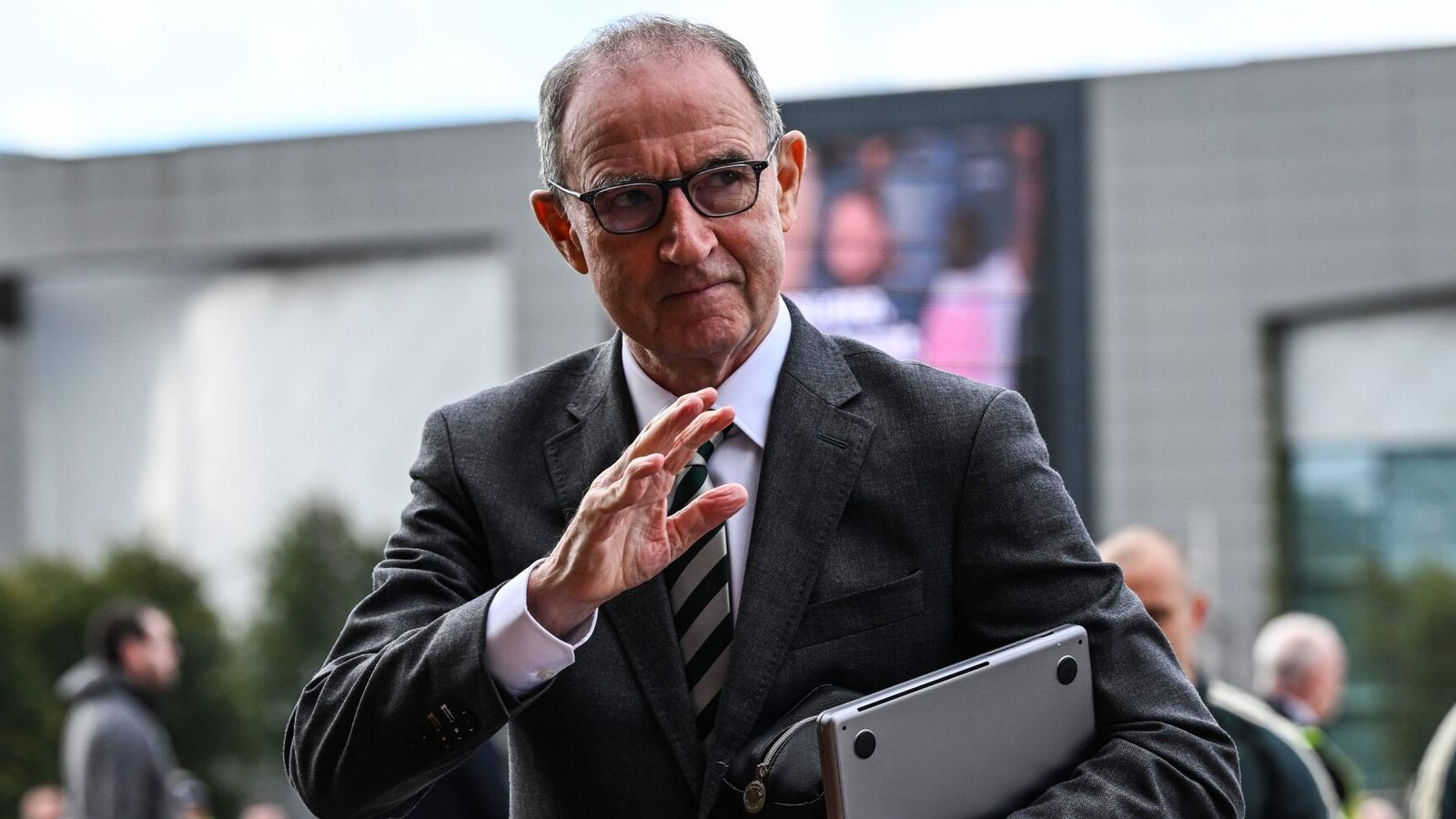
Celtic chief executive Michael Nicholson has publicly backed manager Martin O'Neill following a brutal seven-day stretch that plunged Parkhead into crisis. The vote of confidence comes after three consecutive defeats exposed deep fractures in the Scottish champion's squad.
The collapse started in Europe with a dismal home defeat to Ferencvaros in their Europa League opener. It worsened dramatically over the weekend with back-to-back losses to fierce rivals Rangers, eliminating Celtic from the League Cup quarter-finals and damaging their Scottish Premiership title defense.
The home crowd at Parkhead voiced their fury as the final whistle blew against Rangers. Defensive errors and a complete lack of attacking edge left supporters demanding accountability from both the bench and the boardroom.
Following the second Old Firm defeat, O'Neill looked visibly shaken in his post-match media duties. The veteran manager openly questioned his future at the club, admitting
"it might be time to wrap it up"as fan discontent reached a fever pitch.
Nicholson moved to douse the flames on Tuesday evening. As Sky Sports reported, the chief executive acknowledged the severe disappointment surrounding recent results across all competitions.
He admitted directly that
"the losses in the last week have been painful for us all"while rejecting suggestions of an immediate managerial change.
Rather than opening another managerial search, Nicholson called for stability ahead of an intense autumn schedule. He confirmed the hierarchy
"will now come together and support Martin and the players, as we focus our efforts on achieving success domestically and in the Europa League."
A Chaotic 12 Months at Parkhead
Context is everything in Glasgow. To grasp why Nicholson issued this statement now, you have to trace the chaotic 12-month timeline leading up to this moment.
O'Neill returned to Parkhead last October, two decades after his legendary first spell as manager. He answered an emergency call following the sudden resignation of Brendan Rodgers.
That initial interim stay was supposed to bridge the gap to a long-term appointment. Instead, the board hired Wilfried Nancy, whose disastrous tenure lasted just a dismal 33-day period before he was fired.
Nancy's brief reign fell apart amid tactical confusion and dressing room unrest. The board's failure to vet Nancy properly forced them back to square one far faster than anticipated.
O'Neill stepped into the dugout a second time as interim boss to steady the ship. His steady leadership persuaded board members to offer him the job on a permanent basis this past summer.
Nicholson emphasized that history in his remarks, stating the club owed a
"debt of gratitude"to O'Neill and his coaching staff for stepping up twice in crisis conditions.
He added that Celtic decision-makers were
"delighted"when O'Neill agreed to sign a permanent contract in the close season. But past loyalty only buys so much protection when on-pitch results deteriorate.
This week's triple defeat is not an isolated bad patch. It follows a catastrophic European collapse just last month in the Champions League play-offs against Austrian club LASK.
Celtic held a commanding 4-0 aggregate lead before suffering an unprecedented meltdown. They dropped out of Europe's premier competition, forfeiting tens of millions in guaranteed revenue.
Financial Reality and Recruitment Under the Microscope
The pitch-side struggles align with troubling numbers off the field. Celtic's latest financial report revealed a post-tax loss of £4.8m for the year ending June 2026.
That loss marks a stark drop from the £33.9m profit posted twelve months prior. It highlights how quickly financial momentum can evaporate without elite European matchday income.
Chairman Brian Wilson cited the failure to reach the Champions League group stage, rising squad wages, and shrinking player trading margins as the core reasons for the deficit.
Despite that operational loss, Celtic maintain a massive financial cushion. The club ended the financial year with £66.4m in cash reserves sitting safely in the bank.
That balance sheet strength makes the current recruitment strategy even harder for supporters to swallow. Celtic spent £31.7m on summer transfers to reshape O'Neill's squad for the current campaign.
High-profile arrivals included record signing Kasper Hogh, alongside Camilo Duran, Mika Baur, and Haïssem Hassan. Nicholson confirmed the board worked directly with O'Neill to target and finalize those signings.
Because that £31.7m shopping spree took place after the June financial cutoff, it will appear in next year's accounts. But the immediate return on investment looks bleak.
Record signing Kasper Hogh has yet to find consistency upfront, while Hassan and Duran have struggled to adapt to the intensity of Scottish football. When a club drops over £30m in one window, supporters expect instant impact, not bench players.
Spending over £30m only to fall flat against Rangers twice and lose at home to Ferencvaros raises uncomfortable questions about talent identification. Splurging cash on talent means little if the team lacks tactical balance and defensive discipline under pressure.
October Gauntlet Leaves Zero Margin for Error
Nicholson's public backing grants O'Neill a brief reprieve during the current international break. However, the upcoming fixture list offers no room for error when club football returns.
Celtic face a relentless six-match gauntlet across October:
- October 11: Motherwell vs Celtic (Scottish Premiership)
- October 15: Benfica vs Celtic (Europa League)
- October 18: Celtic vs Hearts (Scottish Premiership)
- October 22: Celtic vs Celta Vigo (Europa League)
- October 25: Hibernian vs Celtic (Scottish Premiership)
- October 28: Celtic vs Dundee Utd (Scottish Premiership)
That intense run of six matches in seventeen days will define Celtic's season. European trips to face Benfica in Lisbon and a home clash against Celta Vigo will determine if Celtic can survive in the Europa League.
Domestically, away trips to Motherwell and Hibernian alongside home games against Hearts and Dundee United demand near-perfection. Any further slip-ups in the league will turn supporter anger directly toward the board directors.
During this break, O'Neill must fix Celtic's fragile transition defense and establish a settled starting eleven. Constant rotation in midfield has left the team vulnerable to quick counter-attacks.
O'Neill has experienced every peak and valley in Scottish football. Yet managing a transitional squad under intense fan scrutiny presents a grueling challenge.
Public votes of confidence in modern football are notoriously double-edged. They stop immediate media frenzy for a week, but they also establish a clear baseline for performance.
If summer recruits like Hogh and Hassan fail to adapt quickly and deliver victories, O'Neill's thoughts about walking away may soon become reality. Celtic have cash in the bank, but their supporters have run out of patience.
Read Next
- Celtic's financial hangover is colliding with a scary on-field slump
- Ruben Amorim is already facing an early reality check at AC Milan
- Brighton just gave the Premier League the blueprint to beat Arsenal
- Pocognoli's first Scotland squad signals a massive European shift
- ⚽ Scottish Premiership 2025-26 — Celtic vs Rangers Hub