Drop whatever you are doing and look at the calendar. On Saturday, July 4, 2026, the World Cup knockout stage is going to serve up a matchup that reads like a fan-fiction fever dream written by a Sydney demographer.
The Socceroos are taking on the Pharaohs of Egypt. This is a full-blown existential crisis for the 45,000 strong Egyptian-Australian diaspora.
If you want to understand the sheer, unadulterated madness of what is about to go down in the suburbs of Sydney, you need to look at Joseph Tawadros. The world-renowned oud player posted a video of himself online wearing a traditional red fez.
But here is the catch. The fez had the Australian flag pinned to it, complete with corks dangling around his ears.
He was strumming his Middle Eastern lute while belt-singing a mashup of Waltzing Matilda and the Egyptian classic Teleat Ya Mahla Nourha. Surprisingly, the two songs did not clash. They blended beautifully, which is a miracle because they come from opposite ends of the solar system.
Tawadros admits he is split down the middle, fifty-fifty. He says, "If Australia advance, I’ll be happy. If Egypt advance, I’ll be happy." For him, this is a win-win situation.
But let us be real for a second. For most fans in Sydney, it is going to feel like watching your two favorite relatives resolve a family dispute with two-legged tackles.
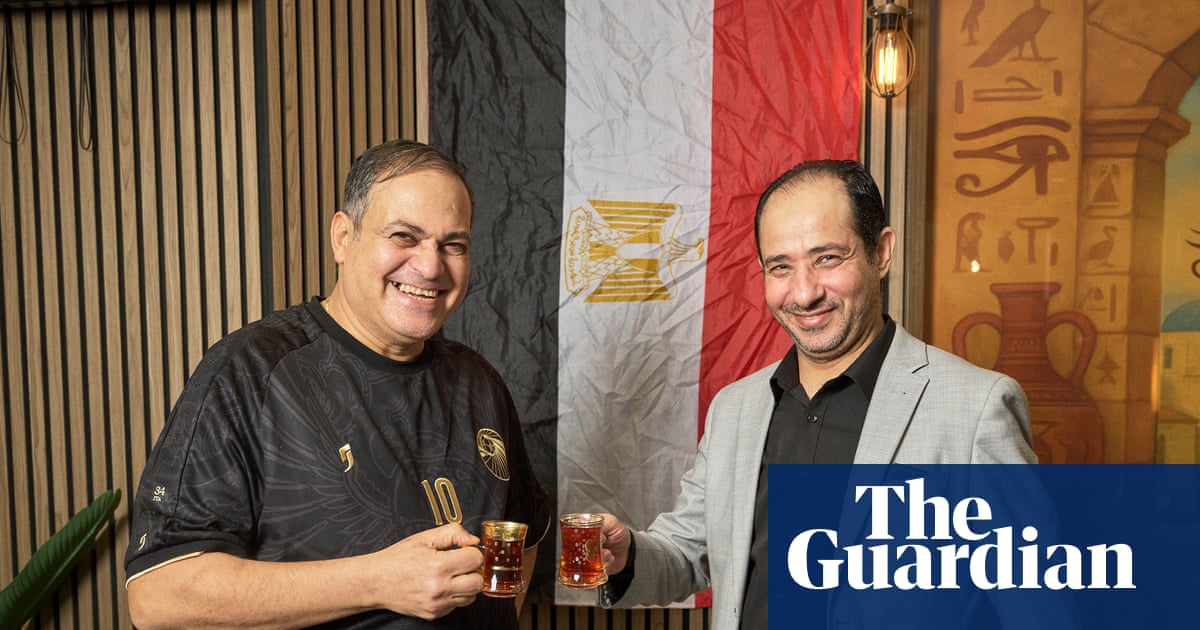
It is the conflicted emotion that many members of the community are grappling with, as The Guardian reported, ahead of Saturday's knockout round.
The Long, Painful Road of the Pharaohs
To understand why Egyptians are losing their minds over this, you have to understand the historical trauma of Egyptian football. Egypt is a powerhouse in Africa, but on the global stage, they have been historically tragic.
This is only their fourth appearance in the World Cup finals. They played in 1934, went completely missing until 1990, and then suffered another brutal barren spell until Mohamed Salah dragged them back in 2018.
Before this summer, they had literally never won a single game at a World Cup. Not one.
That curse was finally broken in Vancouver during the group stage when they secured a 3-1 victory over New Zealand. That win did not just break the curse; it catapulted them into the knockout stages for the first time in their history.
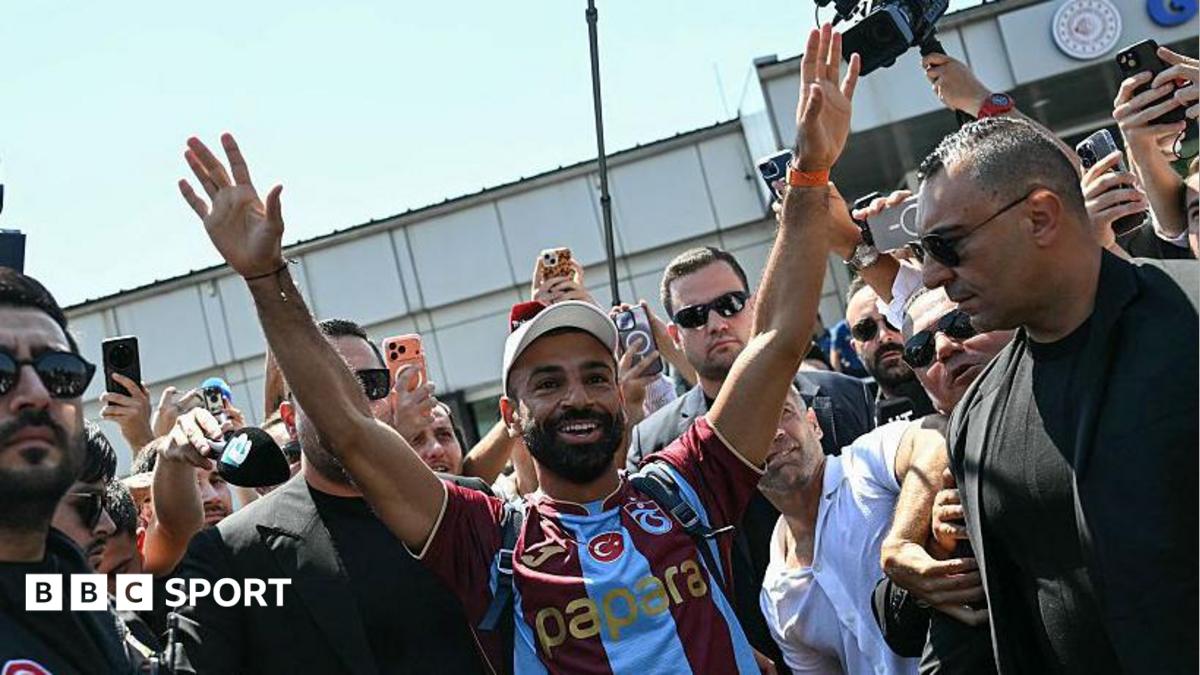
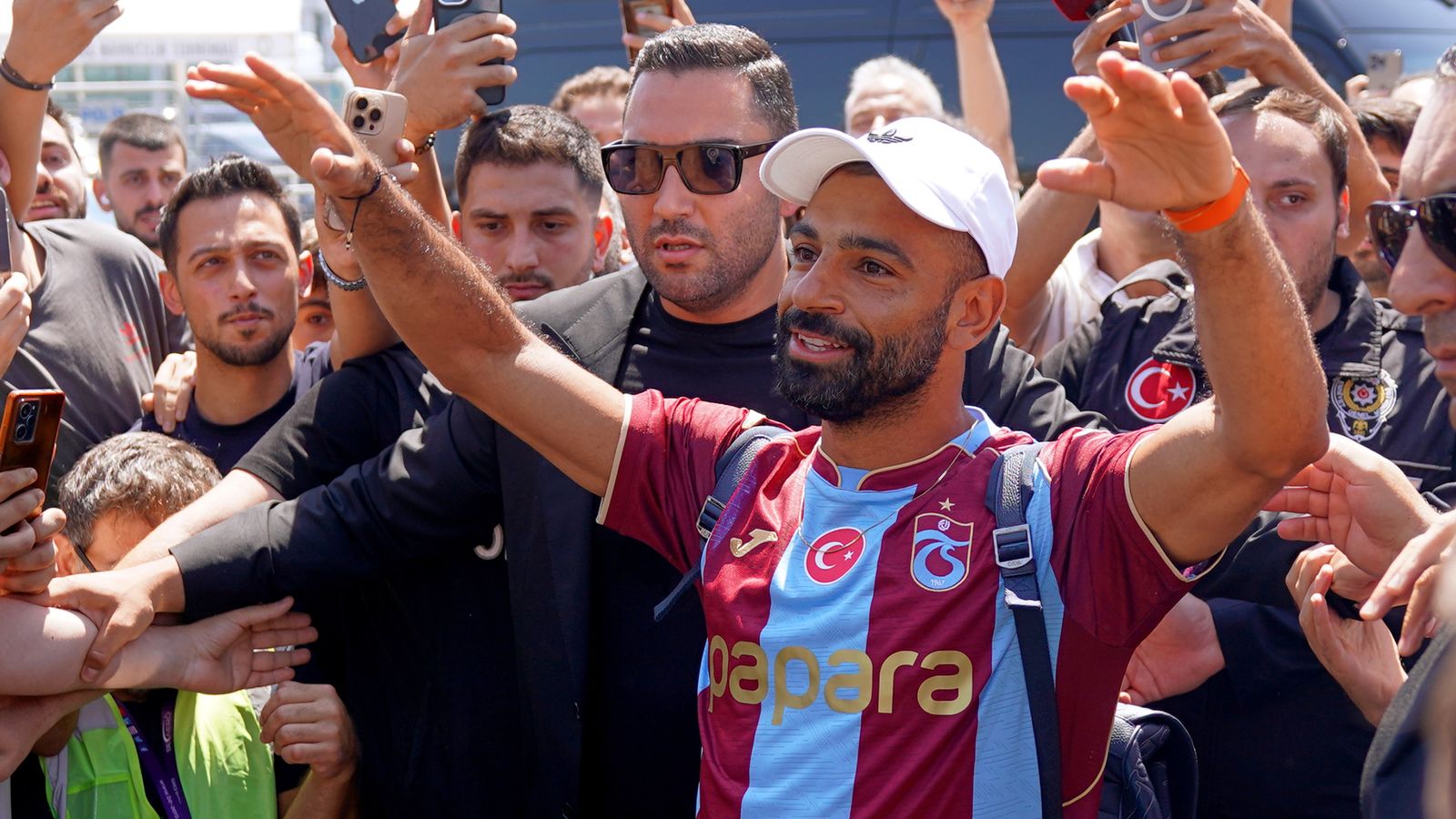
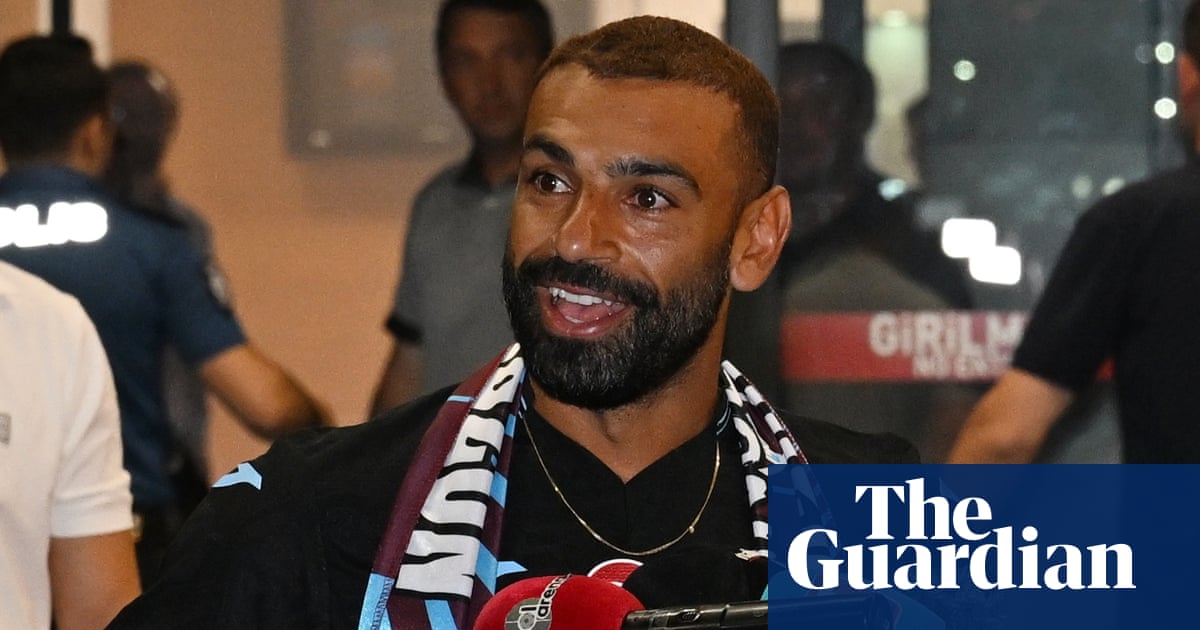
At the center of everything, as always, is Mohamed Salah. The man is not just their winger; he is a living monument. He has been described as a symbol akin to the pyramids.
When he signed for Liverpool in 2017, he altered the cultural fabric of his home country. In the 2018 Egyptian presidential election, thousands of voters literally crossed out the candidates' names and wrote in Salah instead.
According to the Premier League, Egypt is now the second-largest backer of the competition, with 85% of adults actively following the matches. If Salah runs, the nation holds its breath.
Now, they face the Socceroos in the Round of 16, and the stakes could not be higher. One of these dreams has to die on Saturday.
Gladesville and Newtown on Fire
Walk into any Mediterranean restaurant in Sydney right now and you will feel the heat. Last Saturday, during Egypt's tense 1-1 draw against Iran, the Alexander Mediterranean Restaurant in Gladesville was packed to the rafters.
When Egypt scored, a woman started hammering a drum, children were bouncing off the walls, and the air was thick with the scent of grilled meats and pure panic. The restaurant's co-owner, Ayman Adly, who migrated to Australia eight years ago, summarized the dilemma perfectly.
He said his "heart is with Egypt" but his "brain is with Australia." Adly pointed out that football is a unifying force back home, cutting across religion and social classes. When the national team plays, the streets of Cairo go completely silent as people forget their daily stress.
Football in Egypt is regardless of the religion, and even social class. During the matches, the streets are very quiet. Egyptians forget their stress – they’re just supporting their team. We are, you can say, quite addicted to football.
It is a similar story over at Cairo Takeaway in Newtown. The owner, Hesham El Masry, watched his shop fill up with over a hundred people huddling around a tiny TV screen to watch the Iran draw.
El Masry is a self-described born-and-bred Aussie. He grew up supporting Liverpool because of Craig Johnston back in the 80s, and he loves watching Nestory Irankunda run riot on the wing. Yet, this upcoming match has him completely stuck.
He says he usually has a gut instinct, but this time, he is in uncharted territory. He has no idea who he wants to win when the referee blows the whistle.
But as El Masry notes, in a world that has been pretty difficult lately, a sporting event like this is a rare chance to forget the garbage of daily life and just be happy. You can feel that collective sigh of relief in the air.
A Tactical Disaster in the Making
Now let us talk about the actual football, because someone has to point out the elephant in the room. Tactically speaking, this match could be an absolute eyesore.
If you look at the complete tournament player guide, both teams have massive structural flaws that are hard to ignore.
The Socceroos under their current setup are about as pretty as a rusty chain. They lack creative midfielders, struggle to transition quickly, and rely heavily on physical dominance and defensive solidity to grind out results.
Their entire attacking blueprint seems to consist of launching the ball toward the wing and praying that Nestory Irankunda can produce a moment of magic. If Egypt can double-team the teenager, the Australian attack will likely dry up instantly.
On the flip side, Egypt has their own massive issues. They are so dependent on Salah that if he has an off-night, the rest of the team looks completely lost, wandering around the pitch like tourists looking for a metro station.
Their defensive display in the draw against Iran was highly questionable, showing a vulnerability to counter-attacks that Australia's direct style could easily exploit. Egypt's midfield lacks the physical presence to match the Socceroos, meaning we are likely in for a messy battle of attrition.
If the Socceroos can bully Egypt physically in the middle of the park, they will win. But if they give Salah space to cut inside onto his left foot, it is game over.
A Midnight Nightmare for Sydney Fans
For the local fans, the real opponent is the clock. The match kicks off at 4am in Sydney.
That is a brutal time slot that forces you to choose between sleeping early or staying up and destroying your Sunday. If you want to know when to tune in, check out the watch guide for channels and kick-off details so you do not miss a second.
But nobody in the diaspora is going to sleep. People will be downing double-espresso shots at 3am, crowding around screens in Newtown and Gladesville, screaming at referees half a world away.
Egypt's consul general in Sydney, Reem Zahran, called the matchup bittersweet. She noted that while it is sad that one team has to knock the other out, it is also a celebration of a dual identity.
She believes that whatever the result, the local community wins because the match celebrates both sides of who they are.
That is a lovely diplomatic sentiment, but let us be honest. When the match starts, nobody is thinking about multicultural harmony.
They will be screaming for blood, biting their nails, and wondering why they decided to care so much about twenty-two men kicking a piece of leather around a field in North America.
It is going to be tense, it is going to be loud, and it is going to leave half of Sydney either ecstatic or devastated by sunrise.
Read Next
- Top 10: Top Moments
- Marc Cucurella just got robbed in Los Angeles and Spain is losing its mind
- Spain and Austria face a brutal war of attrition in Los Angeles
- Top 10: Top Moments
- 🏆 World Cup 2026 — Full Coverage Hub
- 🇪🇬 Egypt World Cup 2026 — Salah's Last Dance
- 🇦🇺 Australia World Cup 2026 — Socceroos Hub



.jpg)