The Arlington Circus and the Sisi Hype-Man
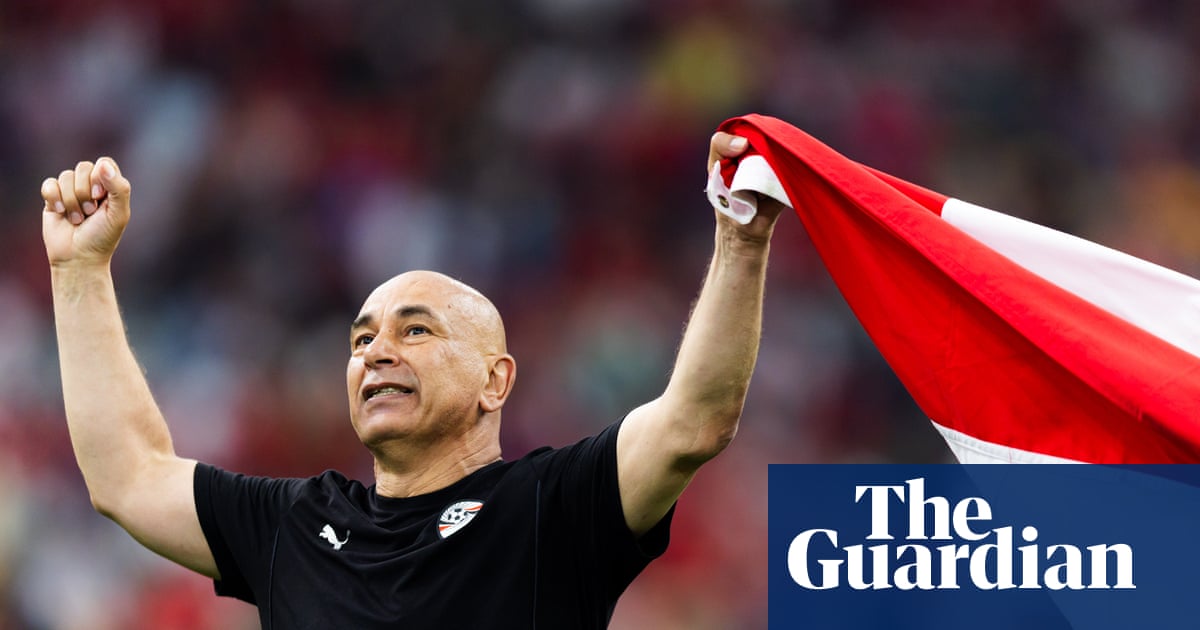
Pull up a chair, grab a cold beer, and look at the absolute circus happening in Arlington, Texas. Today is July 3, 2026, and the Egyptian national team is preparing to play Australia in the World Cup Round of 32 at AT&T Stadium. Instead of focusing on how to stop the Socceroos, coach Hossam Hassan is running a press campaign that looks like a political rally.
Hassan is Egypt's all-time leading goal scorer and a legend who played in the 1990 World Cup. Yet, he is spending his pre-match press conferences acting like the ultimate state advocate. This politicization of Egyptian football is jarring for anyone who watched him play in the nineties.
You can see the tension in the eyes of the Egyptian fans drinking at the bars around Arlington. They want to celebrate their team's historic run, but they are tired of the propaganda. Every victory feels like it is being co-opted by a state PR machine.
Hassan was supposed to be the people's champion, a fiery figure who fought for the jersey. Instead, he has become a spokesperson for the military establishment. The transformation is jarring for anyone who watched him play in the nineties.
Egypt actually survived Group G, finishing second with 5 points after a wild run of games. They drew 1-1 with Belgium, beat New Zealand, and finished with a gritty draw against Iran. But the actual football is being completely overshadowed by political theater.
To understand this madness, we have to go back to Chicago. Egypt was staring down the barrel of embarrassment after Finn Surman headed New Zealand into a 15th-minute lead. The Pharaohs looked slow, disorganized, and completely out of ideas in the first half.
The Magic Medal and the Tactical Flaws
Then the second half happened, and Egypt finally decided to play. Mostafa Zico equalized in the 58th minute, Mohamed Salah curled in a beauty in the 67th, and Trezeguet sealed the 3-1 victory in the 82nd. It was a massive moment, marking Egypt’s first-ever win in a World Cup tournament.
But the real action started after the final whistle. President Al-Sisi sent a congratulatory message, and Hassan immediately went into full sycophant mode. As The Guardian reported, Hassan called the message a 'medal on his chest' that had the 'effect of magic.'
Hassan called the message a "medal on his chest" that had the "effect of magic."
Think about that for a second. You just won a historic game on the biggest stage, and your first thought is to credit the authoritarian leader back home. It is like winning a Grammy and thanking your landlord.
Let's talk about the actual coaching, because someone needs to point out the flaws in this unbeaten run. Hassan’s tactics are about as modern as a dial-up modem. Against Iran on June 26, the Pharaohs looked lost whenever Salah was marked out of the match.
Look at the tactical setup against Belgium in the opening game. Egypt set up a double-pivot that was so defensive it bordered on a footballing crime. They got their point, but it was negative play that put fans to sleep.
Then against Iran, they repeated the same defensive caution. When Salah went down, the entire game plan collapsed immediately. It is clear that Hassan has spent more time praising Sisi than designing a functional attacking transition.
The team was saved by a scrappy 1-1 draw that felt like a loss. In the 84th minute, Salah pulled up clutching his hamstring. The captain has been in a race against time ever since, only returning to light training this week.
Hassan says he will not risk Salah unless he is fully recovered. This means Egypt might face Australia without their only world-class threat. If Salah sits, Hassan’s tactical limitations will be completely exposed.
His game plan relies entirely on individual magic rather than structured patterns. When you look at how Egypt struggled against Iran, it is clear there is no backup plan. Emotion does not build a passing lane when your star player is in a tracksuit.
The Giants of Australia and the State's Desperation
Now they face Australia, a team that matches up perfectly against Egypt's weaknesses. The Socceroos are giant, physical, and love to spam crosses into the box. When asked about this height advantage, Hassan fired back with some classic sarcasm.
He pointed out that height does not win matches, noting that Lionel Messi and Diego Maradona were short. It is a funny line, but it misses the point. Egypt does not have Messi; they have tired defenders who looked shaky against New Zealand.
If Australia starts lobbing balls toward Harry Souttar, Hassan's philosophical musings will not save them. Egypt's goalkeeper will need the game of his life to keep them in this tie. The Socceroos are hungry for their own piece of history, chasing their first-ever knockout victory.
The Australian fans, meanwhile, are loud, drunk, and ready to party. They do not care about Cairo politics; they just want to see Harry Souttar head a corner into the net. They see an Egyptian team that looks vulnerable and distracted.
If Egypt falls today, the political shield will evaporate instantly. Hassan will have to explain why he left Trezeguet isolated on the wing. The palace does not protect coaches who lose to the Socceroos.
We cannot ignore the political circus surrounding this run. In Cairo, the government is desperate to associate itself with this team. Football is the ultimate distraction in a country struggling with inflation and economic stress.
A victory today would give the regime weeks of positive headlines to plaster over every news channel. You can read more about the nationalist tone of Hassan's regime-pleasing rhetoric, which shows how deep the state's security apparatus has reached into everyday life. Here is the timeline of how this team became a state instrument under Hassan.
- February 2024: Hossam Hassan is appointed manager, immediately shifting the team's public messaging toward state praise.
- June 15, 2026: Egypt draws 1-1 with Belgium, starting their World Cup campaign with a gritty defensive display.
- June 22, 2026: Egypt beats New Zealand 3-1, prompting the congratulatory message from Al-Sisi and Hassan's 'medal' speech.
- June 26, 2026: A 1-1 draw with Iran seals qualification but leaves Mohamed Salah injured.
- July 3, 2026: Egypt faces Australia in Arlington with a depleted squad and immense political pressure.
Hassan is not the first Egyptian manager to play this game. Hosni Mubarak used the legendary coach Hassan Shehata and the national team's Africa Cup of Nations wins in the late 2000s to boost his popularity. But Hassan is taking it to another level, turning every press conference into a loyalty test.
It is a dangerous strategy. When you tie your team so closely to the palace, the fans will hold you accountable for more than just the scoreline. If you lose, you cannot blame the referee when you have spent weeks claiming the president is your tactical genius.
So, what happens when the whistle blows tonight? If Salah is not on that pitch, Egypt is going to struggle to create anything resembling a counter-attack. Hassan will likely set up a deep defensive block and pray for a penalty shootout.
It is a cynical way to play, but it is his only hope against a physically superior opponent. If they win, the state media will throw a parade. If they lose, the blame will fall squarely on Hassan's tactical rigidity.
In the sports bar of life, we love a good underdog story. But it is hard to cheer for a team when the manager is constantly checking his phone to see if the general approved of his substitutions. Let's see if the magic medal can survive the Socceroos.
Read Next
- Egypt and Australia's World Cup clash is dividing Sydney
- Australia's World Cup fate rests on surviving Egypt's transition traps
- Egypt are about to make a massive injury gamble with Mohamed Salah
- Mohamed Salah is fit but Egypt face a massive World Cup gamble in Dallas
- 🏆 World Cup 2026 — Full Coverage Hub
- 🇪🇬 Egypt World Cup 2026 — Salah's Last Dance


.jpg)