The High-Pressing Coalition Strikes
Boardroom politics rarely offers the crisp tactical geometry of a 4-3-3 formation, but Monday brought a textbook high press. UEFA, CONMEBOL, and the AFC published a joint three-page open letter addressed directly to the football community. They never printed his name once, yet every paragraph hit Gianni Infantino like a late tackle from behind.
The timing of the strike was immaculate. As detailed in the Sky Sports report, the three confederations attacked the FIFA president for breaking trust through deception. They effectively stepped up to the halfway line and squeezed all playing space.
This dispute goes far deeper than typical administrative wrangling over match calendars or tournament formats. The coalition explicitly targeted the scrapped effort to sell private stakes in the FIFA World Cup. They rejected Zurich's attempt to label the commercial scheme as a simple procedural misstep.
"There remains no recognition that attempting to sell an interest in the FIFA World Cup was a profound failure of judgment - not just a procedural misstep, but a fundamental breach of trust with the very institutions FIFA exists to serve."
That single passage destroys FIFA's attempt to sweep the private equity proposal under the rug. The three continental bodies made it obvious that institutional trust is broken. You cannot play out from the back when your central defenders refuse to receive the pass.
Moroccan Retreats and Pressing Triggers
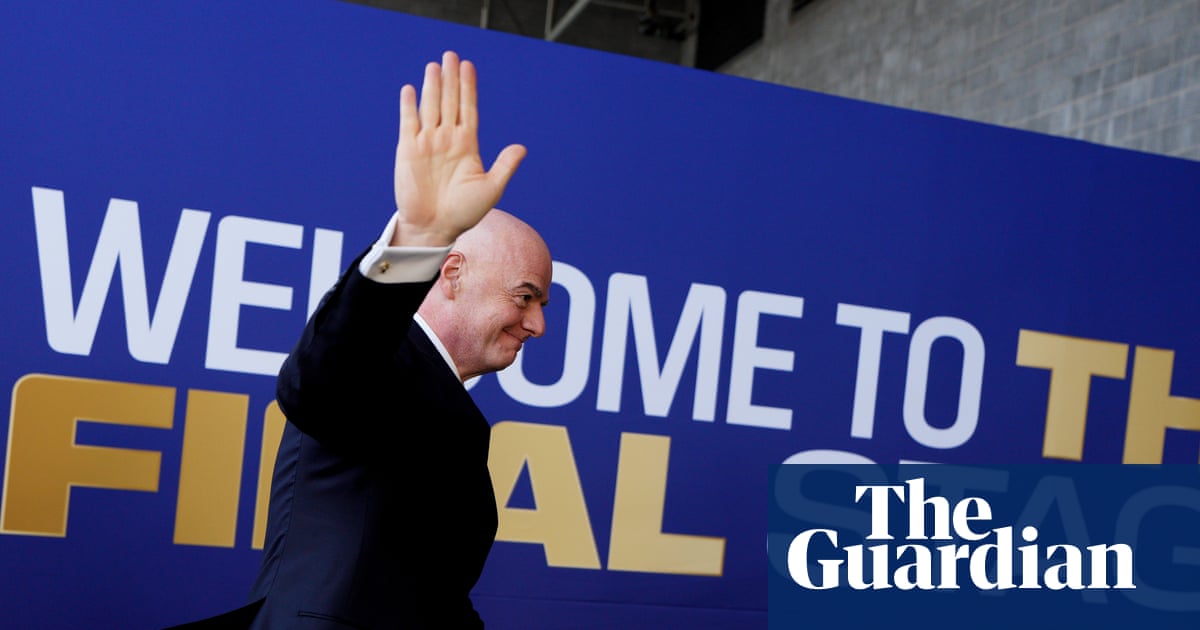
FIFA tried to launch a counter-attack last Wednesday during a management committee meeting in Morocco. Rather than addressing senior leadership at headquarters in Switzerland, Infantino opted for a friendly home crowd abroad. That gathering predictably ended with a public declaration of support for the under-fire president.
The opposition coalition dismantled that defense with surgical precision in Monday's document. They noted that staging a photo-op in Morocco was revealing. In their eyes, it demonstrated a total avoidance of genuine institutional accountability.
"It is not the conduct of a custodian of the game, but of one who believes the game is answerable to him."
The letter added that distance has replaced openness where direct answers were required. FIFA attempted to reset the defensive line on Sunday with a sharp public statement. They claimed there was a concerted and ongoing effort by critics to undermine the governing body and its leadership.
Zurich insisted that opponents should rely on established democratic processes rather than public allegations. They argued that Infantino dedicated over 30 years to European and world football while broadening resources globally. That response was classic low-block tactics, designed to absorb pressure and protect the penalty area.
Financial Paper Trails and Boardroom Fault Lines
The battle line shifted dramatically over the weekend when personal conduct allegations surfaced. Reports emerged detailing a financial departure package paid to a female employee allegedly involved in a relationship with Infantino during his UEFA tenure. European football's governing body confirmed on Saturday that the payment occurred.
The individual received a six-figure sum alongside fully funded tuition for an MBA course at a Swiss business school. UEFA maintained that the settlement complied with staff regulations in place at the time. They added that internal administrative rules have been tightened significantly since 2016.
Infantino spent 16 years at UEFA, serving as general secretary between 2009 and 2016 before winning the FIFA presidency. A FIFA spokesperson stated that the president strongly denies these allegations. However, the revelation hands his political rivals a potent weapon at the worst possible moment.
Political capitals burn quickly when governance failures overlap with financial questions. When an aborted commercial sale coincides with historical paper trails, internal loyalty starts to fray. Opponents no longer need to break down the door; the hinges are already loose.
The Tactical Breakdown: Numbers vs Revenue
To evaluate this conflict accurately, you must analyze the numerical balance of power across the board. FIFA's primary defensive line is constructed around its 211 member associations. Every nation holds an identical vote in congress, regardless of stadium capacity or TV market size.
Infantino built his power base by funneling development money directly to smaller member associations. That strategy created a massive voting wall that consistently shields him from European discontent. In a standard electoral vote, Europe and South America are easily outvoted.
Here are the key structural pressure points currently shaping this standoff. The tactical battle between voting volume and financial clout comes down to four critical factors:
- UEFA holds total control over the world's most lucrative club and international television rights.
- CONMEBOL provides the historical prestige and elite talent pool that gives the World Cup its global value.
- AFC's inclusion breaks the narrative that this is merely a Western European power grab.
- The threat of a European competition boycott directly endangers FIFA's future broadcast revenue projections.
UEFA has already stated that its boycott threat against FIFA competitions remains active while Infantino holds office. That is the nuclear option of sports diplomacy. If European nations refuse to enter FIFA tournaments, the commercial value of those events collapses overnight.
The Flaws in the Opposition Game Plan
Despite their current momentum, the opposition coalition is far from flawless in its execution. UEFA attempting to claim the high ground while confirming six-figure departure payments for former staff is open hypocrisy. FIFA's legal advisers will hammer that contradiction at every opportunity.
Furthermore, the anti-Infantino bloc has presented zero structural alternatives for global football governance. Complaining about centralized power is easy, but offering a fairer revenue redistribution model for smaller nations requires actual work. So far, Nyon has offered complaints without a candidate.
Lacking a unified candidate to champion creates a massive tactical vulnerability. If you press high without covering the passing lanes, a single long ball over the top can catch you out of position. UEFA risks winning the media narrative while losing the actual vote in congress.
Selective outrage also weakens their position among developing nations. Smaller associations view this offensive as an attempt by wealthy European federations to reclaim total control over football's treasury. Without addressing those economic fears, the coalition cannot break Infantino's core voting block.
The Prediction: Forced Exit Before the Next Congress
Infantino will try to retreat to his defensive shell over the coming weeks. He will rely on regional meetings and development grants to keep his majority intact. Expect heavy emphasis on democratic mandates and anti-establishment rhetoric from FIFA communications.
However, elite sport is ultimately governed by balance sheets and commercial reality. Corporate sponsors will not commit billions to a governing body locked in perpetual conflict with its primary revenue engine. The pressure from broadcast partners will eventually force neutral federations to flip.
Here is the call: Gianni Infantino will not complete his current mandate as FIFA president. The combination of AFC's departure from his camp, UEFA's active boycott threat, and mounting corporate nervousness will trigger a negotiated settlement. The press has hemmed him into the corner flag, and he has nowhere left to pass.