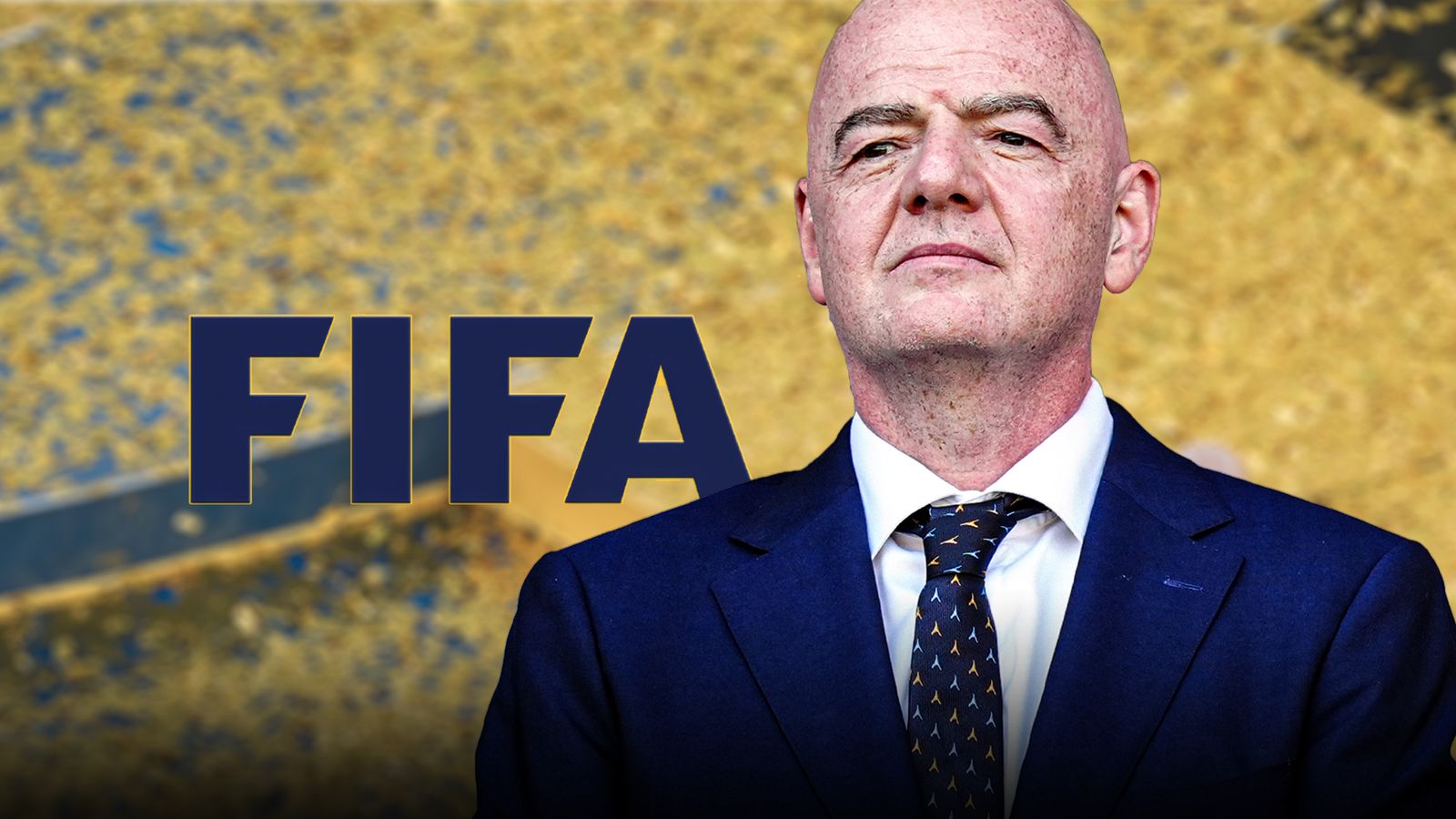
Infantino summons leadership to Morocco
FIFA President Gianni Infantino has called an urgent crisis meeting of senior staff, scheduled for Wednesday in Morocco. This emergency gathering comes amid mounting internal pressure and external scrutiny of the governing body's current operational direction. While the specific agenda remains officially undisclosed, sources indicate the meeting will address critical failures in recent regulatory rollouts.
The location choice is notable given FIFA's recent push to establish deeper logistical ties within the African football confederation. Staff members were notified of the summons late yesterday. The move suggests a pivot in strategy that could impact upcoming governance protocols across all six confederations.
The scope of the internal crisis
Multiple reports suggest the agenda involves a review of the decision-making chain that led to recent controversies surrounding administrative oversight. FIFA insiders have pointed to a disconnect between the Zurich headquarters and regional offices regarding the implementation of new tournament standards. This summit is intended to consolidate control and minimize friction between stakeholders.
Historically, Infantino has utilized these high-level sessions to reshape internal departments following public backlash. Similar meetings in 2021 preceded major shifts in personnel within the legal and commercial arms of the organization. The upcoming session indicates that the current leadership is concerned about the rate of project attrition.
Analyzing the fallout
The implications of this summit reach far beyond internal office culture. If FIFA moves to centralize power further, it could alienate smaller member associations that already feel marginalized by recent policy shifts. Any restructuring finalized in Morocco will likely be felt during the next cycle of international fixtures, potentially affecting how referees and match officials are assigned for high-stakes games.
Competitors of FIFA, including independent organizations monitoring player welfare, have raised concerns about the lack of transparency in these emergency sessions. There is legitimate frustration among staff that these meetings occur with little notice and no clear path to resolution. It is a sign of a leadership style that favors sudden, unilateral pivots over collaborative planning.
Strategic implications for 2026
The timing of this meeting, coming in August, is awkward. With major global calendars already solidified, any sudden shift in administrative policy could cause logistical headaches for national teams preparing for competitive windows. The risk of burnout among senior administrative staff remains high as the workload intensifies leading into the next World Cup cycle.
As Sky Sports reported, the necessity of this meeting underscores the volatility within the current FIFA structure. The organization has struggled to maintain consistency in public messaging, leaving fans and players in the dark regarding critical rule changes. If this summit fails to provide clarity, the governing body faces a difficult autumn characterized by internal power struggles.
Ultimately, the effectiveness of this meeting rests on whether Infantino is willing to delegate more authority or if he opts to tighten his grip. Past performance suggests a preference for the latter, which historically has led to further departmental turnover. The footballing community will be watching for any official press releases on Thursday morning for signs of an actual departure from the status quo.
Failure to reconcile these internal disagreements could result in stalled projects that were meant to be completed by the fourth quarter of this year. The stakes for the governing body have never been higher, as financial partners are reportedly monitoring these internal shifts with increasing skepticism. The Morocco meeting is not merely a formality; it is a desperate attempt to stabilize a fraying administration before the season accelerates into its busiest phase.
Read Next