The pitch that fell apart on contact
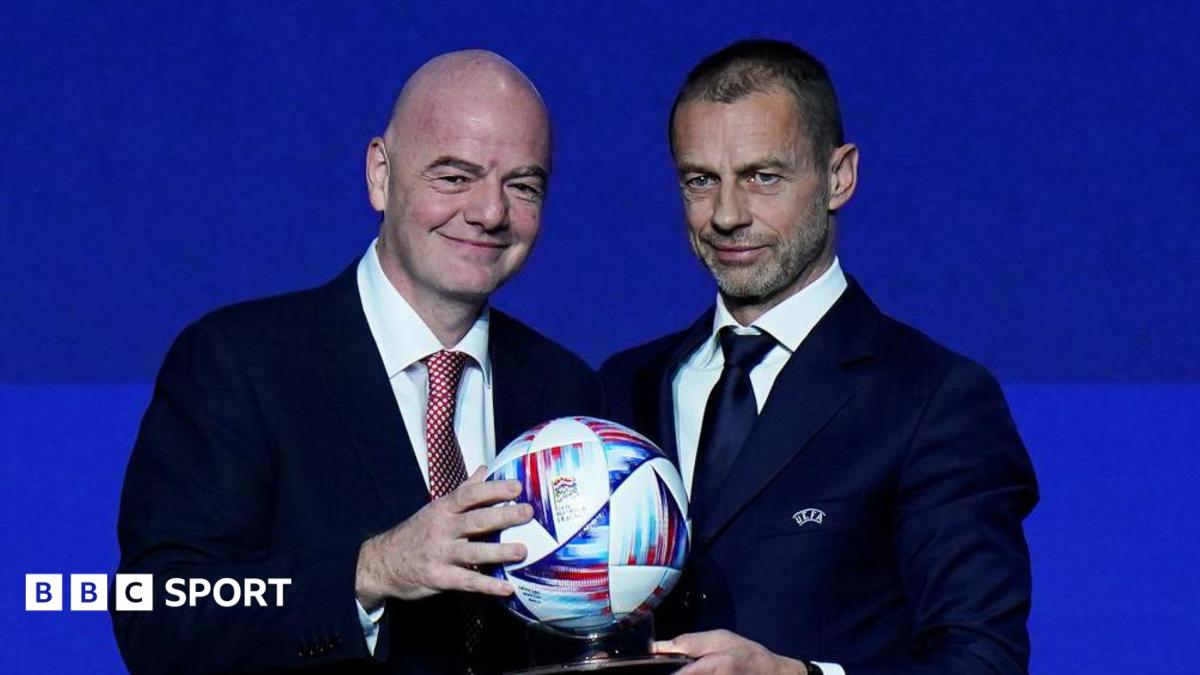
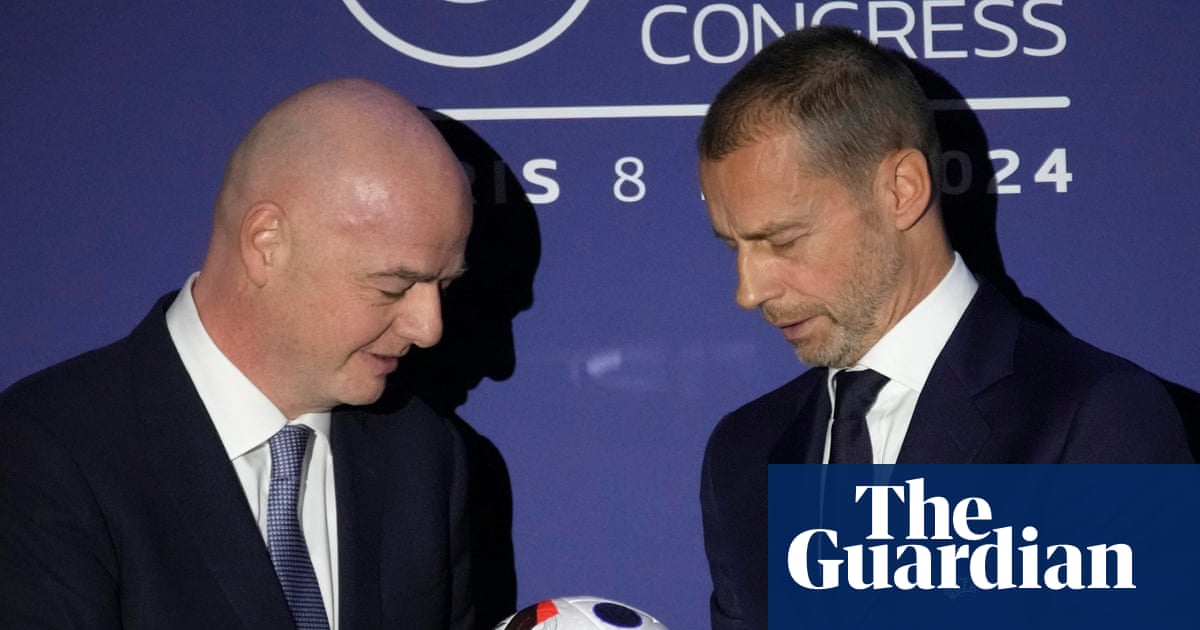
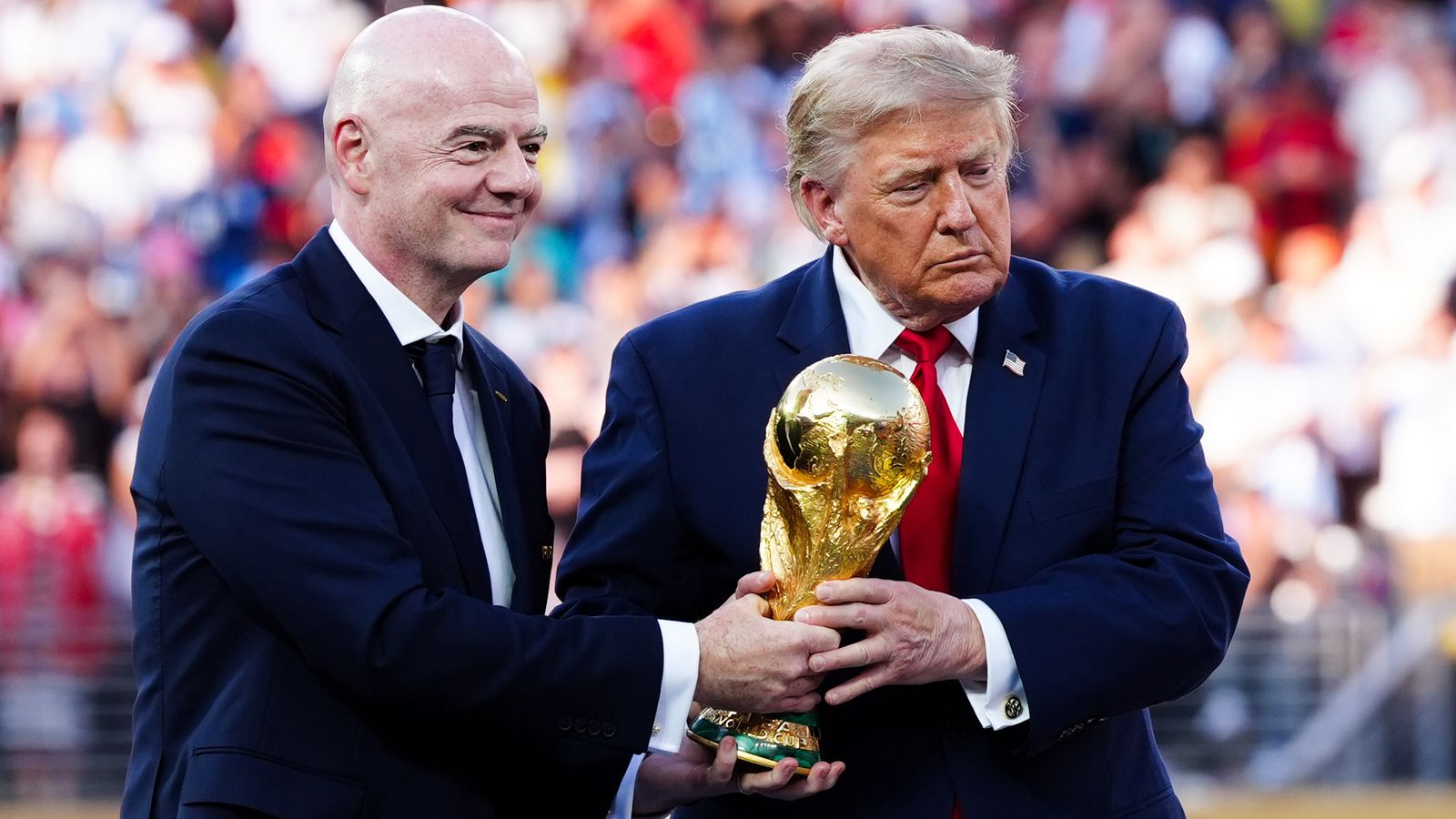
FIFA wanted cash up front, but financial partners are backing away from Gianni Infantino's grand plan to part-privatise World Cup commercial assets. According to a BBC analysis of the presentation, Zurich's blueprint raises far more structural questions than concrete financial solutions.
The concept was simple on paper: sell off equity stakes in media rights and sponsorship packages to private equity consortiums. But sovereign wealth funds and institutional investors are balking at the proposed terms, citing governance risks and uncertain return models across multi-host tournament structures.
The immediate timeline for closing the first investment round has effectively stalled. Initial projections targeted signed agreements by late summer, but zero major financial institutions have committed capital under the current valuation framework.
Broader industry shockwaves and market reaction
Commercial broadcasters and legacy sponsors are watching Zurich's stumble with intense interest. Broadcasters already operating under squeezed budgets argue that injecting private equity targets into rights negotiations will inflate regional fee expectations beyond sustainable market rates.
Competitor governing bodies like UEFA and South America's CONMEBOL are taking note of the pushback. UEFA previously explored similar private equity integrations for European club competitions before retreating when member clubs rejected structural revenue shifts.
For global football fans, the financial drag means potential disruptions in broadcast distribution agreements. Private equity involvement typically demands immediate yields, which often translates to pay-per-view paywalls or fractured sub-licensing deals across major consumer markets.
Historical precedent and governance red flags
We have seen this playbook attempted in domestic football before. Spain's La Liga signed a controversial deal with CVC Capital Partners in 2021, selling 8.25% of commercial rights for fifty years. Real Madrid and Barcelona opted out entirely, initiating ongoing legal battles that demonstrate how divisive equity sales become.
Similarly, CVC's deal with France's LFP faced severe scrutiny after broadcast revenues fell short of initial projections, leaving Ligue 1 clubs struggling to balance payrolls under rigid repayment terms.
FIFA's attempt to execute this on a international scale magnifies those governance flaws tenfold. Controlling commercial rights across different national jurisdictions, tax regimes, and federations presents an operational nightmare that financial analysts warn could lead to protracted arbitration.
Strategic implications and Zurich's next move
The strategic miscalculation stems from overestimating market appetite for FIFA's regulatory governance model. Private equity firms want board seats, voting power, and operational control—three things Infantino's administration historically refuses to surrender.
Industry experts emphasize that without structural concessions on decision-making, Zurich cannot secure the high-margin valuations it publicly touted. The current proposal effectively asks investors to assume heavy financial risk without meaningful governance input.
Expect FIFA to quietly walk back the aggressive timeline while revamping the prospectus. Unless Zurich opens up real equity control, this privatization push will join the long list of ambitious commercial trials that failed to clear basic financial due diligence.
Read Next
- FIFA's financial gamble is putting World Cup ownership on the line
- Donald Trump keeps it brief on Gianni Infantino's wild FIFA World Cup selloff
- Fifa COO breaks ranks as Infantino pushes private equity into global football
- Gianni Infantino just crashed his own $20 billion payday
- 🏆 World Cup 2026 — Full Coverage Hub