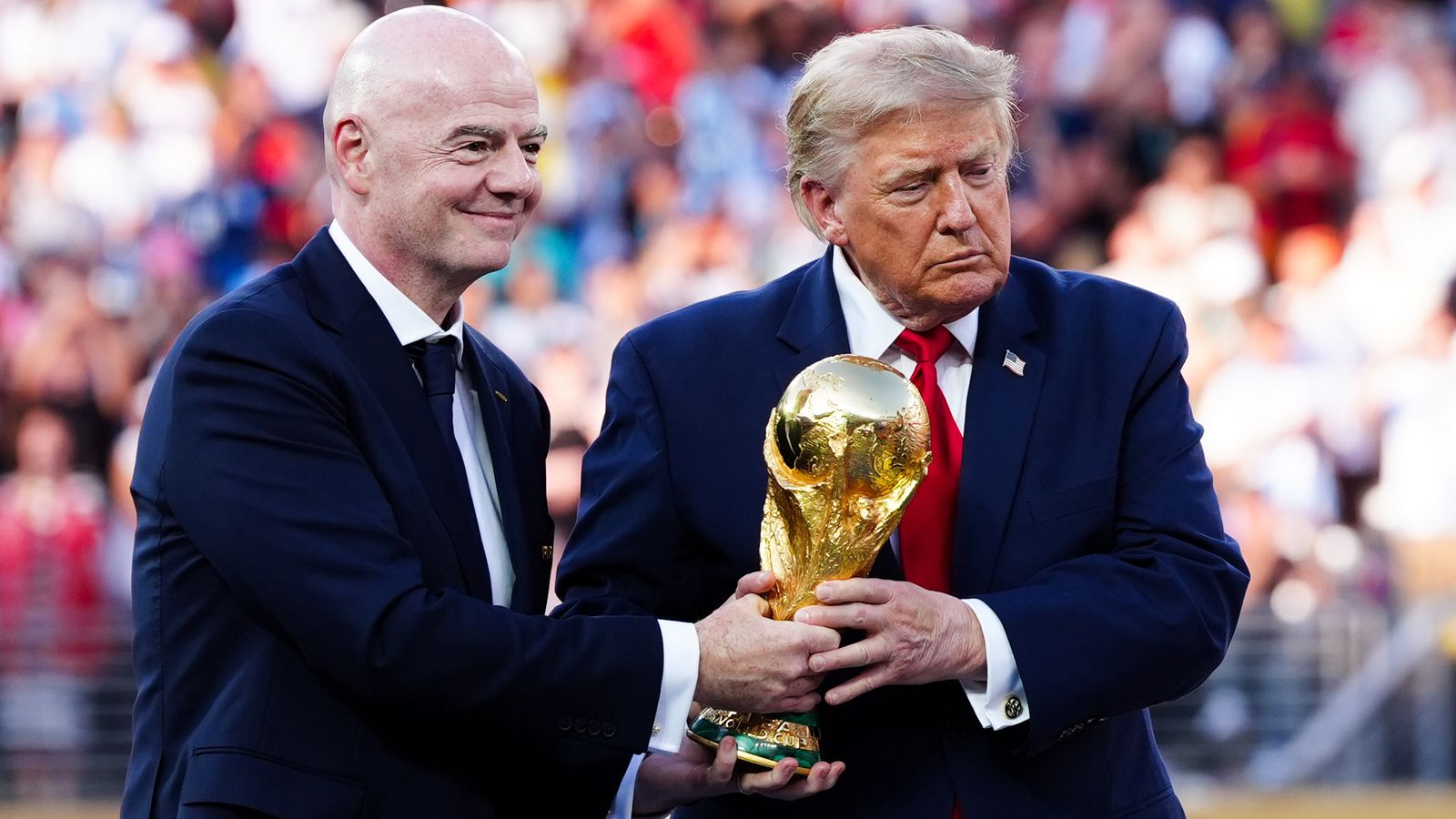
The Oval Office meets the FIFA money engine
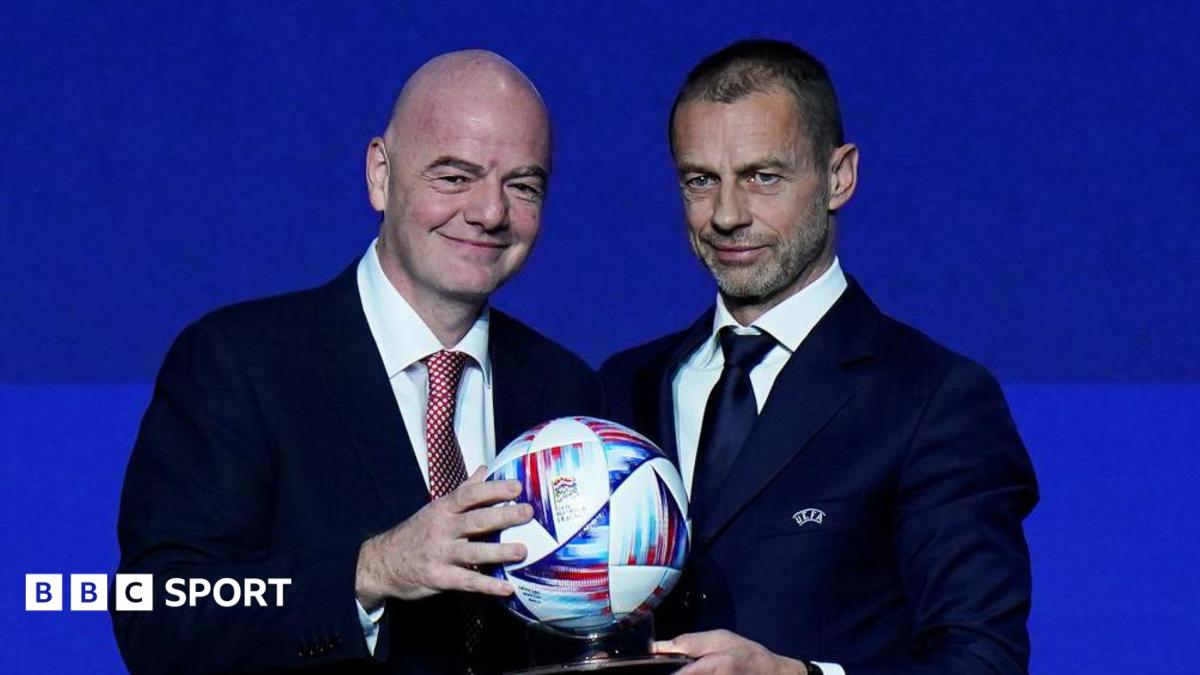
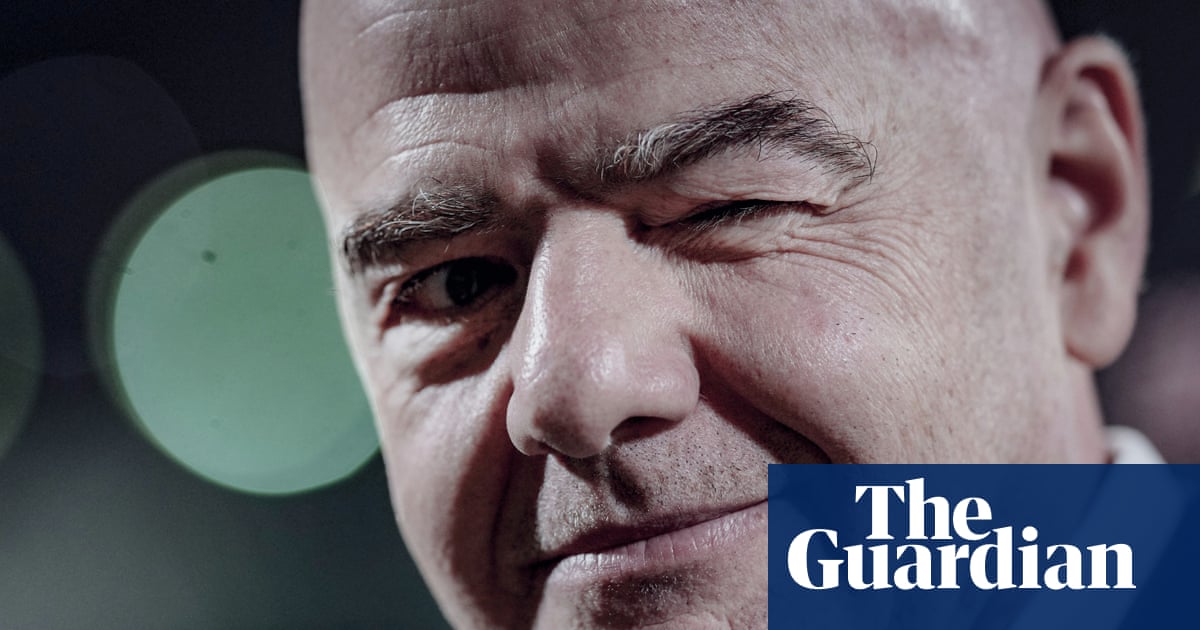
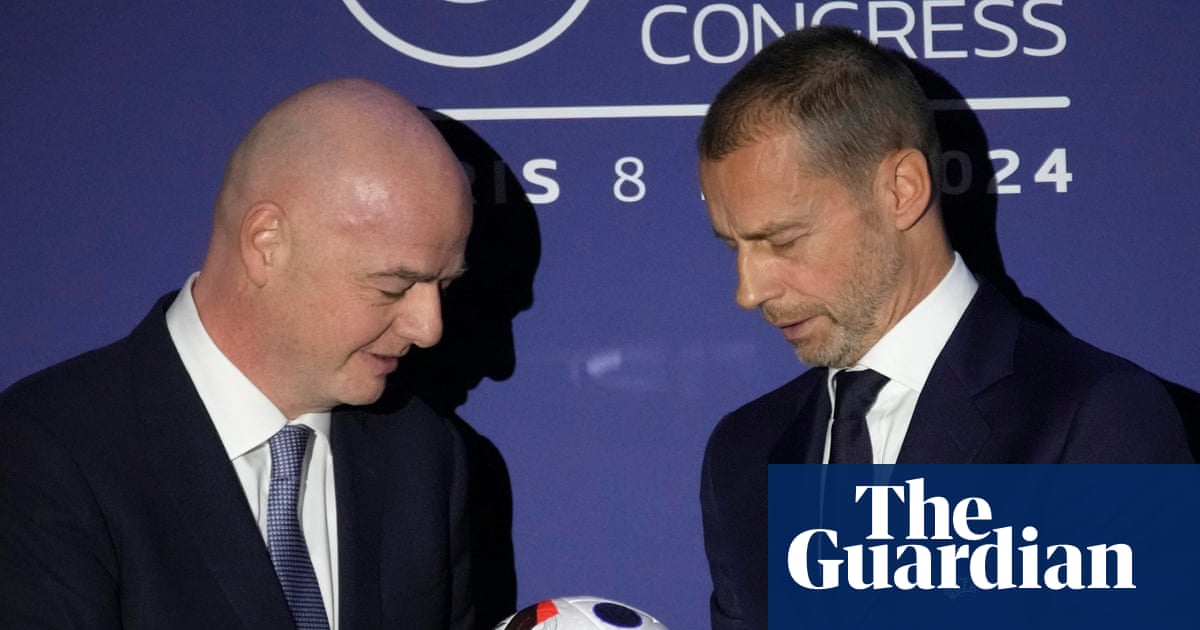
If you thought the intersection of global politics and international football was going to yield a thoughtful, 40-minute breakdown of sovereign wealth dynamic, you don't know the players involved. Donald Trump was asked point-blank about whether he's had a chat with FIFA president Gianni Infantino regarding Infantino's audacious plan to sell stakes in the FIFA World Cup to an investment firm closely connected to the Trump family network. His response? Short, curt, and thoroughly unrevealing.
When pressed on whether any conversations had taken place over Infantino shopping equity pieces of global football's crown jewel to a family-linked investment entity, Trump brushed it off with minimal commentary. It was the political equivalent of a manager saying 'he's a good player, we'll see' during a press conference while the player is already taking a medical down the hall.
Sovereign wealth, family ties, and football equity
Let's take a step back and examine the sheer absurdity of what Infantino is dangling here. Selling equity stakes in the World Cup itself is an unprecedented move even by FIFA's high-roller standards. Historically, FIFA makes its billions off broadcast rights, massive corporate sponsorships, and ticket sales. Privatizing or selling off ownership stakes in the tournament apparatus to private investment firms—especially ones tied directly to political dynasties—opens up an entirely new vortex of scrutiny.
Infantino has never been shy about rubbing shoulders with world leaders or testing the outer limits of football commercialization. From expanding the World Cup to 48 teams to re-inventing the Club World Cup into a mammoth summer spectacle, Gianni's blueprint is simple: maximum noise, maximum capital. But involving a firm with direct links to the Trump family elevates this from standard corporate football wheeling-and-dealing into a geopolitical circus.
The radio silence speaks volumes
The brevity of Trump's answer tells you everything you need to know about how delicate this topic actually is. Normally, when asked about high-stakes global deals or personal relationships with sports figures, you get a sprawling monologue. Here, we got the classic deflection. Nobody wants to dive into the technical details of investment structures when ethics watchdogs are already circling the perimeter.
Critics will rightly point out that pitching commercial slices of the world's most popular sporting event to politically connected private funds smells like a massive conflict of interest. FIFA claims to operate above politics, but handing private capital keys to entities tied to former and current political figures completely shatters that illusion. Infantino wants the money, private investors want the prestige and cash flow, and football fans are left watching the sport's central jewel get sliced up like a commercial real estate portfolio.
What this means for the global game
Where does football go from here when even the World Cup itself is being dangled as investment equity? If Infantino pulls off this selloff, it sets a wild precedent for global sports governance. We are moving rapidly toward a world where international tournaments aren't just hosted; they're partly owned by private equity syndicates with political ties.
Whether Trump and Infantino have hashed out the specifics behind closed doors or not, the mere fact that this proposal is on the table shows how far FIFA is willing to stretch the boundaries of sports commerce. Gianni Infantino keeps playing high-stakes poker with global football, and until somebody calls his hand, he's going to keep raising the stakes.
Read Next
- FIFA's financial gamble is putting World Cup ownership on the line
- Gianni Infantino just crashed his own $20 billion payday
- Arsène Wenger and Gianni Infantino are dismantling football from the top down
- FIFA retreats on World Cup sale but the governing body remains under fire
- 🏆 World Cup 2026 — Full Coverage Hub