Tactical instability at the back
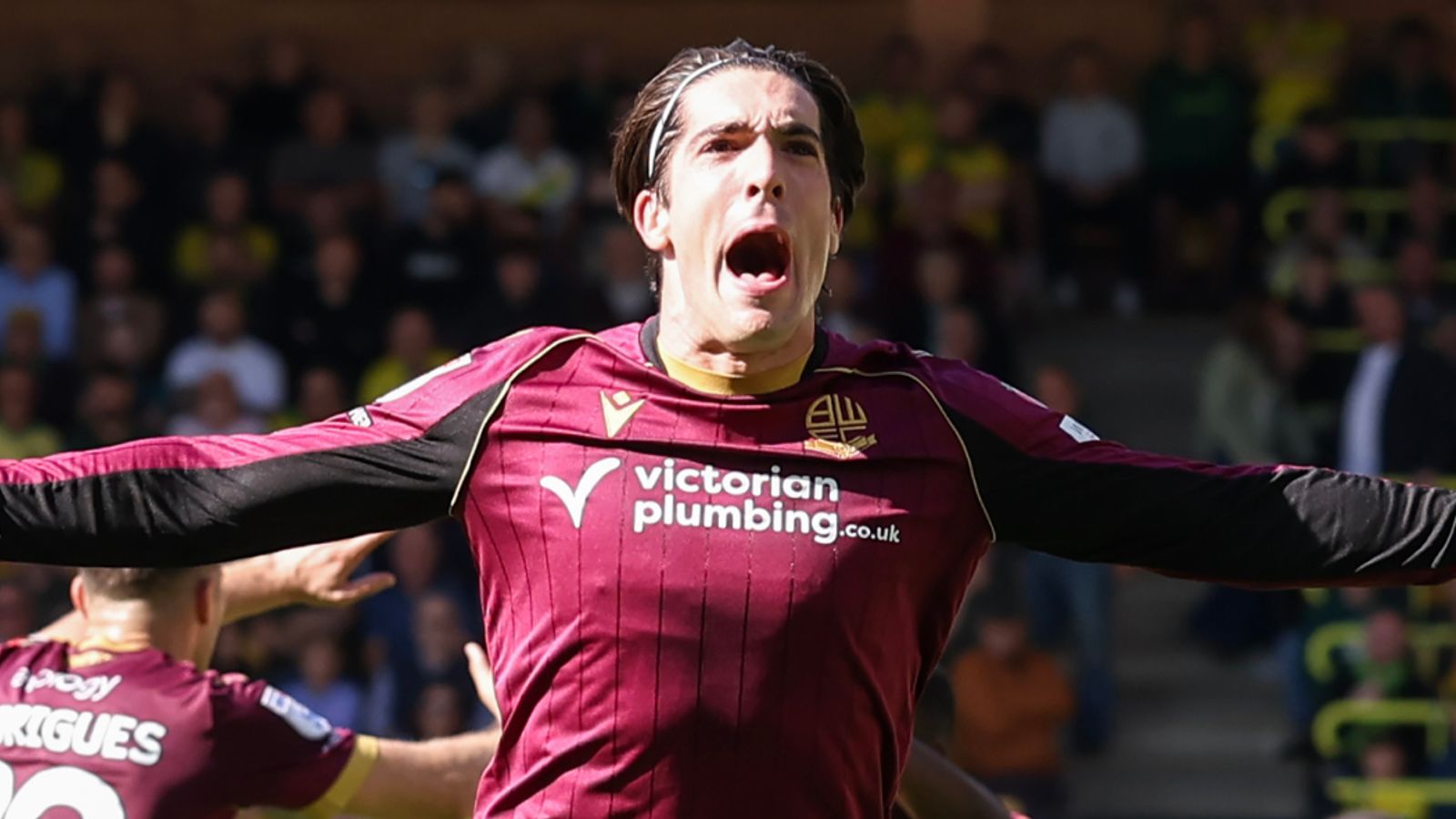
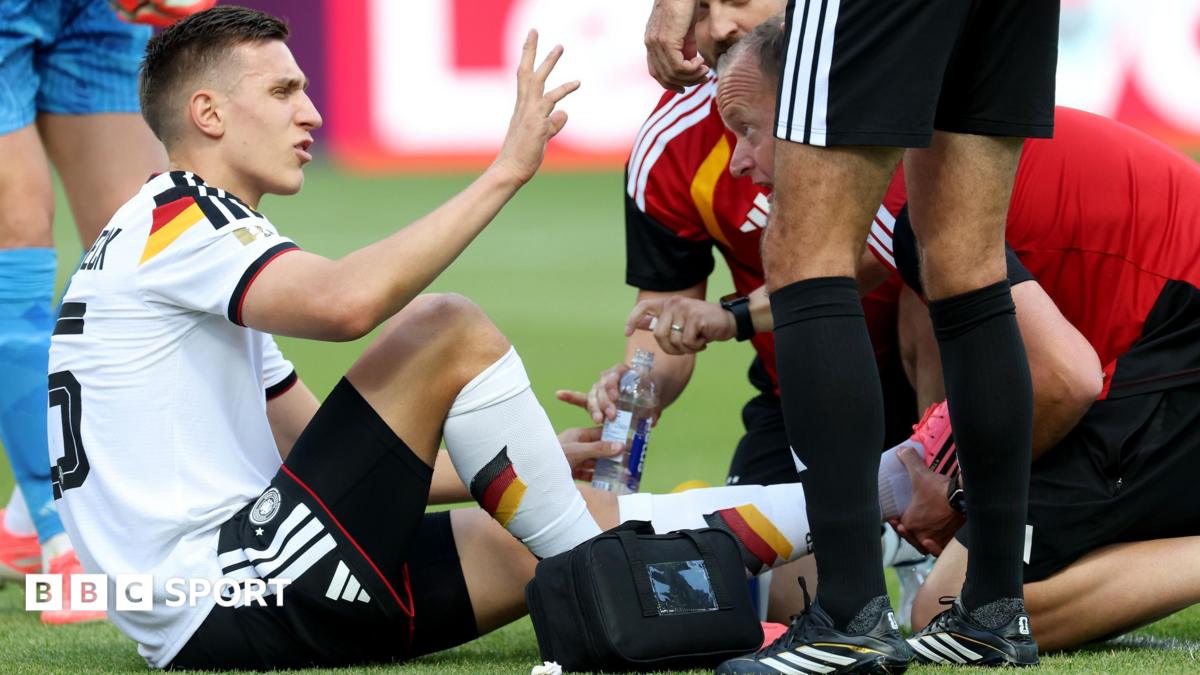
Julian Nagelsmann faces a mathematical headache that no tactical whiteboard can easily solve. With Nico Schlotterbeck officially ruled out of the remainder of the 2026 World Cup due to an ankle injury as reported by the BBC, the German defensive structure loses its most aggressive vertical passer. Schlotterbeck wasn't just a central defender; he was the primary trigger for diagonal switches of play that bypassed the opposition’s first line of engagement.
The loss of the Borussia Dortmund man creates a massive vacuum on the left side of the back three. His ability to drive into the half-spaces dragged opposing wingers out of position, opening corridors for Florian Wirtz and Jamal Musiala to operate in isolation. Without that specific engine in the left channel, Germany’s build-up play risks becoming stagnant and predictable.
The knock-on effect for midfield balance
Replacing Schlotterbeck isn’t just about finding a body to occupy the left center-back slot. The structural integrity of the midfield pivot is now under extreme scrutiny. If Kimmich or Andrich are forced to drop deeper to compensate for a less adventurous replacement, the team loses that extra body in the final third.
We are likely to see a shift toward a more conservative mid-block. Nagelsmann’s preference for high-line pressing requires center-backs who possess both recovery pace and the courage to hold the halfway line when the ball turns over. Few defenders in the current pool can mimic Schlotterbeck’s specific 90-minute bravery near the opposition press.
Risk mitigation strategies
The coaching staff must decide if they trust the existing depth or if they need a radical system change. Switching to a back four might offer more protection, but it sacrifices the overloading wing-back system that defines this tenure. The drop-off in output is significant. Germany managed an xG per game of 2.15 during the initial qualification phase, largely predicated on the fluidity of those wide defensive junctions.
There is also the matter of defensive lapses. Even with a full-strength squad, the unit conceded 0.85 goals per game against high-pressing opponents. This fragility didn't just vanish; it was tolerated because the attack outpaced the defensive errors. Against high-tier opposition, this margin for error no longer exists.
Prediction: A tactical stalemate looms
Germany enters the next phase of this tournament with a clear target on their defensive left. Expect opponents to identify this gap and overload that specific flank, forcing replacement options into early, uncomfortable 1v1 situations against specialized wingers. They will likely advance due to pure individual talent in the forward line, but the systematic ease they showed in earlier rounds is gone.
My call: Germany scrapes through the next bracket, but they will concede in every remaining match. The absence of a player who contributes over 75 progressive passes per campaign is too large a hole to plug mid-tournament. The defense will not hold against any side ranked in the top ten global standings.
Read Next
- Belgium's offensive stagnation against Iran exposes deeper tactical rot
- Cape Verde’s tactical discipline proves rankings wrong at the World Cup
- Iran’s tactical discipline is a major concern for tournament favorites
- Spain finally find their cutting edge in Atlanta
- 🇩🇪 Germany World Cup 2026 — Die Mannschaft Hub