Defying the metrics
Cape Verde entered this tournament ranked 74th in the world, yet they sit at 0.5 expected goals against per 90 minutes. That figure outperforms heavyweights like France and Argentina through the first two group stage matches. Their defensive organization is not a byproduct of chance; it is a rigid, repeatable structure.
The anatomy of a low-block masterclass
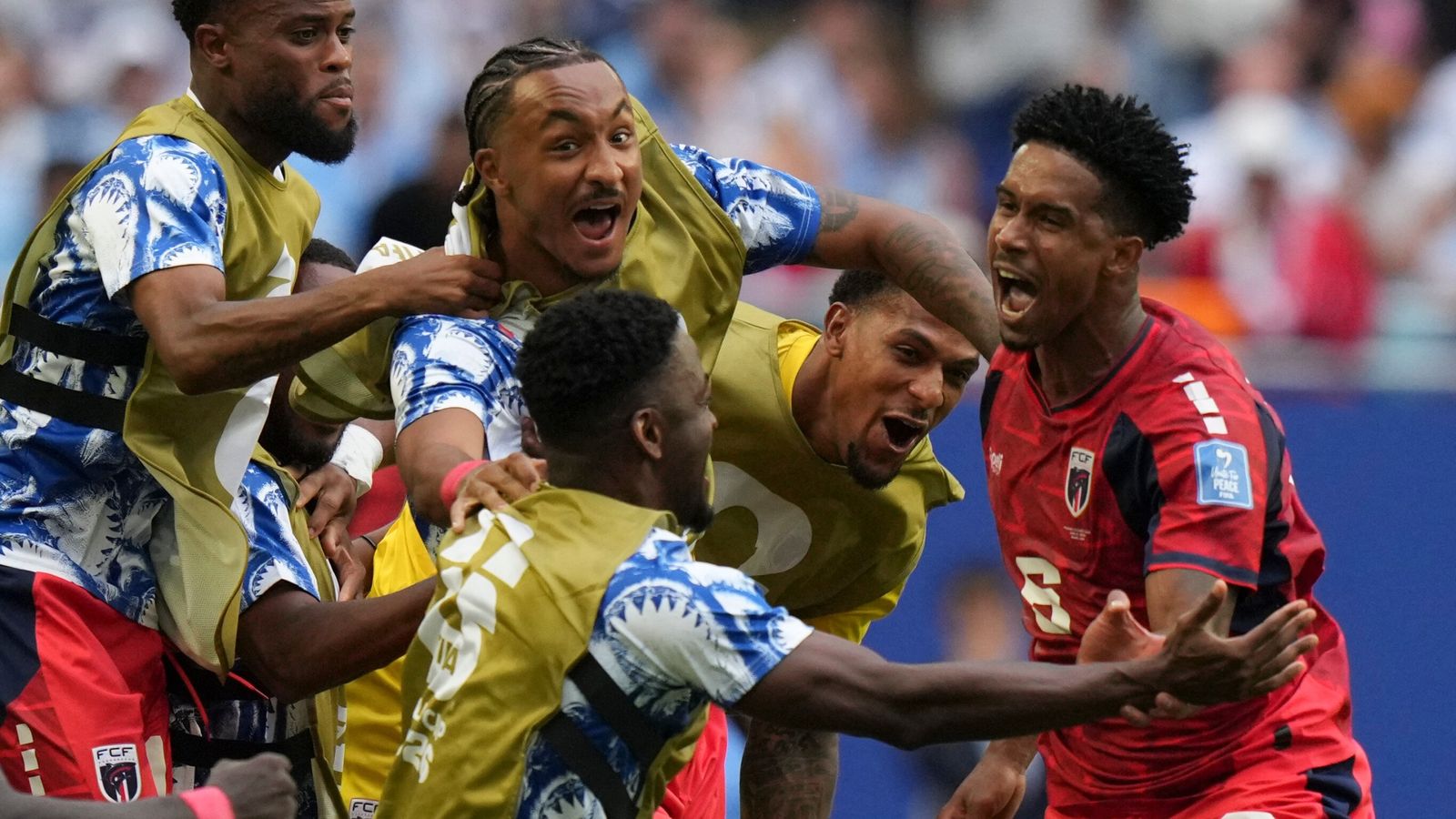
Against Uruguay, the Blue Sharks maintained a defensive line depth of 32 meters, ensuring minimal space between the midfield pivot and the center-back pairing. This compactness forced their opponents into 22 low-value shots from 25 yards or further. By preventing penetration into the half-spaces, they neutralized Uruguay's creative output.
Data captured during the 90 minutes shows Cape Verde recorded a pass completion rate of just 68 percent. While traditionally viewed as a negative, here it represents a deliberate choice. They surrendered possession to manipulate the opponents’ pressing triggers, drawing the opposition high before utilizing long, diagonal balls to wing-backs.
Statistical anomalies in the midfield
Cape Verde’s midfield engine room covers an average of 11.4 kilometers per player per game. This output is 8 percent higher than the tournament average observed in previous iterations of this competition. The work rate allows for an aggressive mid-block that triggers turnovers in the transition phase.
The counterintuitive finding here is the turnover location. Despite their deep defensive sets, 42 percent of their recoveries occur in the middle third of the pitch. By forcing errors in the center, they mitigate the energy cost of tracking back over long distances during defensive transitions.
A reality check on sustainability
The fatigue factor is the primary concern for the coaching staff moving forward. With the squad depth ranking in the bottom quartile of tournament participants, high-intensity sprinting metrics have dropped by 12 percent since the opening whistle of their first match. Maintaining this defensive vigor requires a level of aerobic capacity that typically yields by the third match.
As Sky Sports reported, the bravery shown against Uruguay has captured global sentiment. However, sentiment does not alter the data. Their inability to sustain possession deeper into the second halves remains a glaring tactical vulnerability that better-coached knockout-stage teams will inevitably punish.
Success in international football often relies on defensive coherence. Cape Verde is currently operating at the ceiling of that potential. They have conceded only one goal in 180 minutes of play, a mark that validates their choice of defensive pragmatism over open-play ambition.