Tactical stalemate or a sign of things to come?
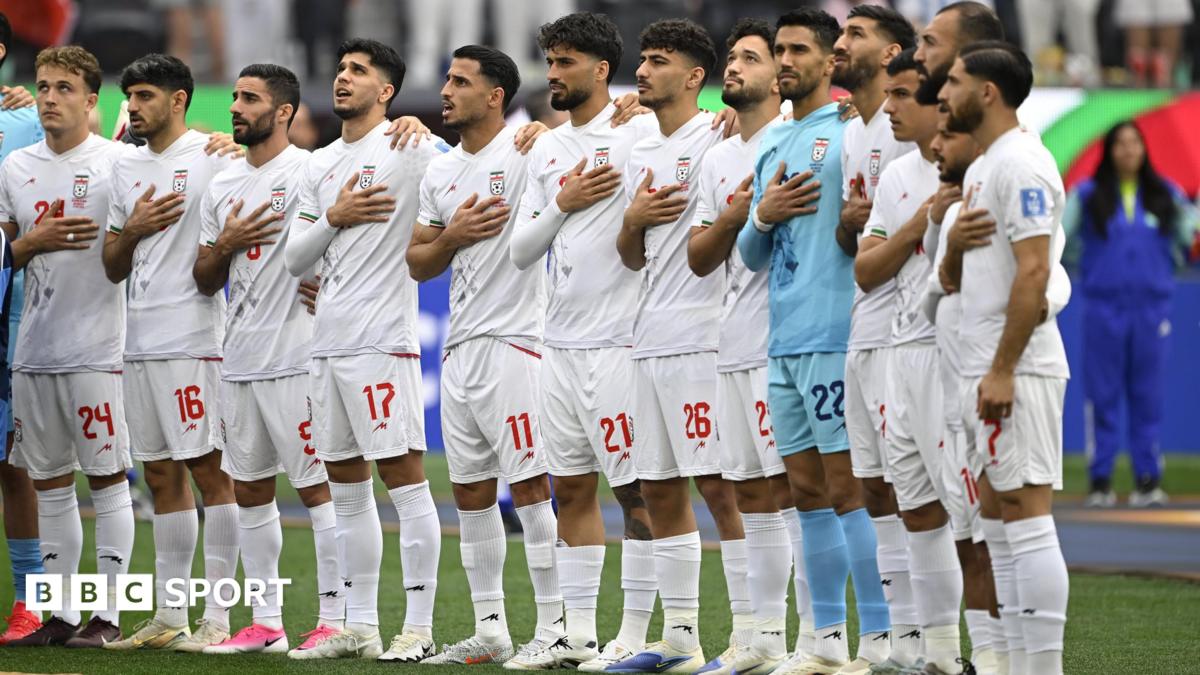
Watching Iran grind out a draw against Belgium was a masterclass in defensive banking. The sheer discipline required to hold a side with that much technical quality to 0.42 xG is impressive, even if it frustrated viewers who wanted an open game.
We saw Iran transition into a rigid 5-4-1 block by the 12th minute. Their horizontal spacing neutralized Kevin De Bruyne, forcing him into lateral passes that bypassed the high-danger zones. The team completed 82% of their passes, but in the final third, that metric plummeted to sub-60% as they prioritized shape over progression.
The shadow of the final whistle
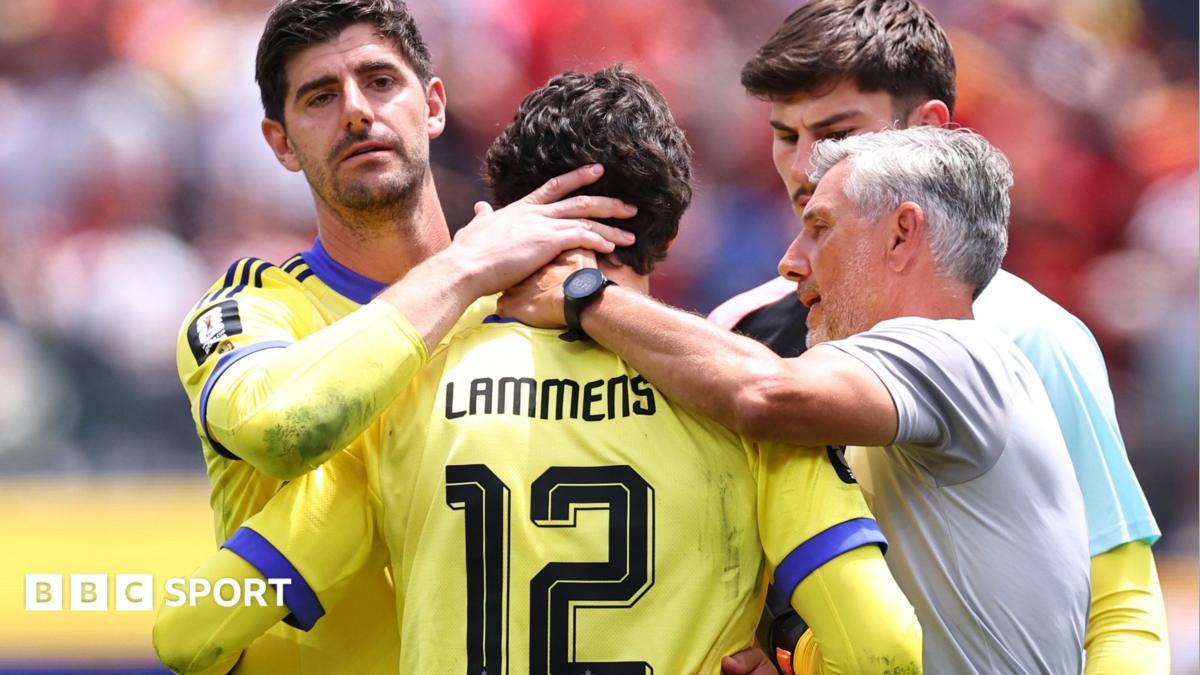
Beyond the pitch, the post-match atmosphere felt surreal. Leaving a note to request peace after a match might be a genuine gesture of sportswashing or sincere diplomacy, depending on who you ask. From a purist standpoint, it does not change the fact that they executed a high-risk, low-reward defensive shell that suffocated the life out of the group stage.
Some analysts suggest their draw with Belgium was a one-off performance. I disagree. When a team commits to that level of low-block compaction, they are conditioning themselves for a tournament run built entirely on set-pieces and counter-attacking volatility.
Predicting the knockout progression
This style of play creates a specific problem for opponents. If you do not score in the first 30 minutes, the energy drains from your attack as the frustration mounts. The lack of offensive versatility shown by their frontline—recording only 3 shots on target across the full 90 minutes—is a legitimate flaw. Relying on such a thin margin for error is unsustainable against elite defenses.
Looking ahead, Iran faces a reality check. While the defensive solidarity is high, they lack the creative spark to overcome compact mid-blocks once they find themselves trailing. The draw might feel like a tactical victory today, but it highlights a ceiling that will be exposed in the knockout rounds.
My take? They will exit in the Round of 16. Their reliance on deep-seated defense leaves them zero room for adaptation when they are inevitably forced to chase a game.