France are the favorites but aging genius is the World Cup wildcard
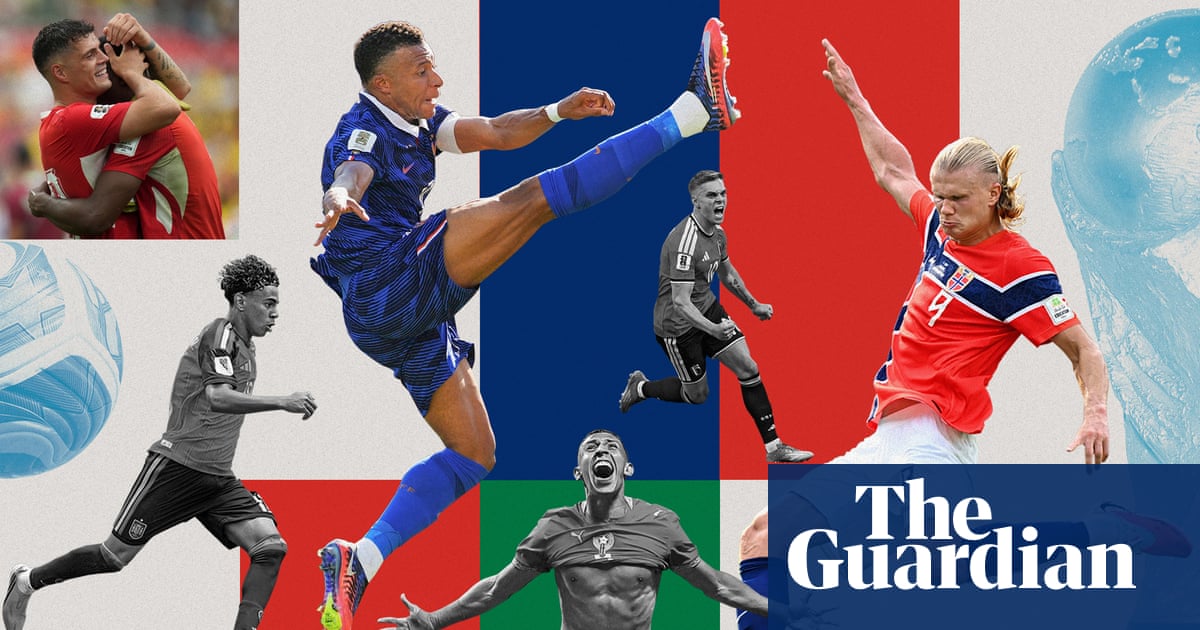
The quarter-finals demand a tactical shift
As we arrive at the final eight of the 2026 World Cup, the internal narrative among pundits has calcified around French inevitability. Didier Deschamps has constructed a side that manages transitions with surgical coldness, prioritizing clean sheets over flashy possession cycles. Their defensive structure in the round of 16 was a masterclass in low-block discipline, keeping their opponents pinned to the periphery and rarely conceding high-quality looks inside the box.
Yet, looking at the latest tournament outlook, there is a dangerous complacency in assuming their path to the final is guaranteed. The data shows that championships are rarely won by the team with the most robust defensive shape alone. Success requires at least one individual capable of bending the game state in the final third when the opposition decides to sit deep and force a stalemate.
The Messi factor in the twilight years
Argentina provides the clearest counter-argument to the French dominance. Watching Lionel Messi dismantle the Egyptian backline was a reminder that tactical coaching—while essential—cannot legislate for pure, high-level intuition. At 39, he is no longer the player who covers 11 kilometers per match. Instead, he conserves energy for specific pockets of space, arriving in the half-space just as the center-back steps up to cover a wide threat.
Against Egypt, he demonstrated that his output per touch remains top-tier. His ability to thread vertical passes through compressed defensive lines allows Argentina to bypass the midfield press entirely. When you analyze the heat maps from that match, the concentration of his involvement is remarkably tight. He operates within a 15-yard radius, baiting defenders into committing before sliding the ball into the vacant channel.
Why France might blink
Deschamps’ team is predicated on speed and physical overwhelming of the opponent. They prefer games where the tempo is high and the ball is transitioned vertically in under six seconds. If they face an opponent like Argentina that can control the ball's tempo and force France to defend in a static, closed-off block, their rhythm falters. Their recent numbers show a dip in chance creation when required to break down a low-block, a situation their creative midfielders struggle to navigate compared to their clinical counter-attacking play.
The current tournament bracket forces these teams onto a collision course where previous form often evaporates. Historically, quarter-final fatigue becomes the deciding variable. Players are operating on depleted glycogen stores, and the psychological weight of reaching the final stages often leads to defensive hesitation. We saw evidence of this in the late-game breakdown during the Egypt clash, where defensive rotations lagged by a full 1.5 seconds upon the transition.
If France falls, it will be because they failed to adapt to a slower, more deliberate game state. The team has shown a propensity to lose focus after gaining a lead, dropping their line of engagement too deep, which invites unnecessary pressure. Keeping a clean sheet is not a sustainable long-term defensive strategy if the opposition possesses a passer who can pick out a diagonal run despite minimal physical input. The upcoming fixtures will expose whether this French machine has the gear to adjust or if it is destined to break down under the weight of its own conservative tactical setup.
Read Next
- Argentina’s World Cup bid faces a massive reality check
- Argentina survived Egypt but fans are already doomposting about Messi
- Stop buying the hype, the 2026 World Cup is a two-horse race
- Argentina's tone-deaf antics prove the 2026 World Cup is a powder keg
- 🏆 World Cup 2026 — Full Coverage Hub
- 🇦🇷 Argentina World Cup 2026 — Defending Champions Hub
- 🇫🇷 France World Cup 2026 — Les Bleus Hub
adidas Men's Tiro Match Shin Guards
Low-profile protection with built-in ankle shields for weekend warriors.
Frequently Asked Questions
What is the primary strength of Didier Deschamps' French squad?
How does Lionel Messi impact Argentina's current tactical approach?
Why might France struggle against a team like Argentina?
What factors influence the outcome of the 2026 World Cup quarter-finals?
Why is defensive structure alone insufficient to win championships?
More Coverage

Arsenal face Leeds with Arteta locked in and a point to prove
3 days, 3 hours ago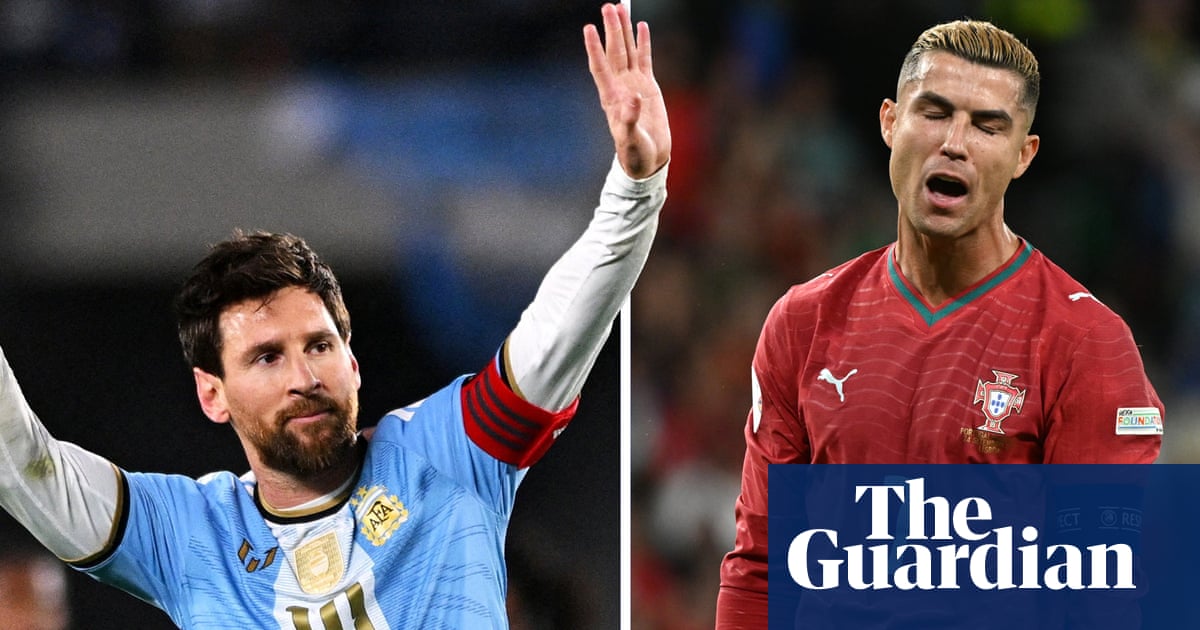
Portugal are about to play their best football in a decade without Ronaldo
3 days, 5 hours ago
Top 10: World Football's Biggest Storylines, Scandals, and Shocks of 2026
4 days, 3 hours ago
Portugal are finally better off without Cristiano Ronaldo
4 days, 11 hours ago
Messi bids farewell to Argentina as his club ownership plan takes shape
4 days, 16 hours ago
Michael O'Neill's youth movement is ahead of schedule, but flaws remain
5 days agoMore Analysis
Portugal are about to play their best football in a decade without Ronaldo
3 days, 5 hours ago
Messi bids farewell to Argentina as his club ownership plan takes shape
4 days, 16 hours ago
Zidane's France debut exposed structural issues talent cannot fix
1 week, 1 day agoFrom Wayne Rooney's debut to Bernabéu shockers: Football's wildest September 28
1 week, 5 days ago
Kylian Mbappe knee injury puts Real Madrid on edge before El Clasico
1 week, 6 days ago