The status of Lionel Messi
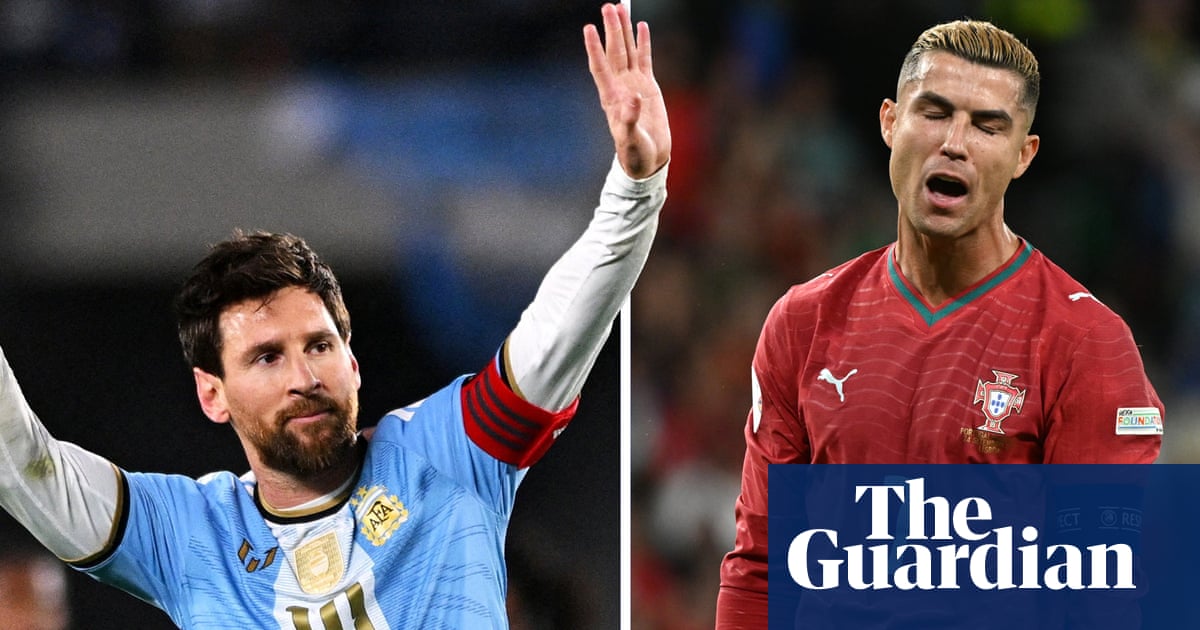
Argentina enters the quarter-final stage of the 2026 World Cup dealing with significant physical uncertainty surrounding Lionel Messi. Though the 39-year-old provided a signature performance to dismantle Egypt in the round of 16, he has been notably absent from full-squad training sessions over the last 48 hours. The coaching staff has labeled his status as day-to-day, a descriptor that rarely masks full health in a high-intensity knockout tournament.
His workload management has been the defining narrative of this squad since the group stage. Managers have historically struggled to balance the tactical necessity of a player like Messi with his biological limitations at nearly four decades old. If he cannot start, the team loses its primary creator in the final third, shifting the burden of chance creation onto underperforming wings.
Tactical friction and historical precedent
This situation mirrors the caution shown by Argentina during the 2022 campaign, though the physical gap between then and now is undeniable. Relying on a short-burst substitution strategy becomes significantly harder when facing opponents like Spain or France. A limping forward cannot contribute to a high press, forcing the midfield to collapse deep into their own half to preserve a lead.
The current medical staff is under immense pressure to clear him for a full 90 minutes. However, as The Guardian reported, Argentina remains heavily reliant on his individual brilliance to bypass organized defensive blocks. If the medical team forces a prematurely aggressive return, the risk of a soft-tissue aggravation becomes a structural liability for the entire roster.
The strategic pivot
Should the captain remain sidelined or limited to a role off the bench, the tactical cost is immediate. The backup options lack the gravity to draw multiple defenders away from their positions, which naturally tightens the space available to players like Julián Álvarez. This creates a predictable, static attack that elite European defenses are well-equipped to neutralize.
The coaching staff's insistence on maintaining an aura of total health is a standard defensive measure against pre-match scouting. Yet, look at the movement patterns from the training sessions; he is not engaging in high-intensity sprints or sharp directional changes. This indicates a focus on pain management rather than match readiness. The decision will likely come down to the final hour before kickoff.
If they move forward without their primary asset, the team risks losing their main outlet for transitions. Fans remember the 2014 final loss, where playing through lingering fitness issues limited overall output during key extra-time periods. History suggests that rushing an aging star back while they are managing fatigue is a recipe for an early exit.
The team’s reliance on singular brilliance represents a failure in long-term squad evolution. They have reached the quarter-finals, but they have failed to establish a credible system that survives without absolute perfection from one man. If that one man is hampered, the lack of depth becomes the story of the game rather than the individual skill on display. This fragility could result in a lopsided scoreline against a side as organized as Spain.
Read Next
- France are the favorites but aging genius is the World Cup wildcard
- Argentina survived Egypt but fans are already doomposting about Messi
- Argentina's tone-deaf antics prove the 2026 World Cup is a powder keg
- Top 10: The Unrivaled Legacy of Lionel Messi
- 🏆 World Cup 2026 — Full Coverage Hub
- 🇦🇷 Argentina World Cup 2026 — Defending Champions Hub