An expected goals difference of 1.85 to 0.12 in the first half of a World Cup knockout match usually suggests a comfortable multi-goal lead. Yet, the United States retreated to the Levi's Stadium dressing room at halftime with just a fragile 1-0 advantage against Bosnia and Herzegovina. The single goal, scored by Folarin Balogun in the 45th minute, was the only tangible reward for a half of absolute tactical dominance.
Mauricio Pochettino has spent his first weeks in charge refining a high-intensity, fluid attacking structure. In Santa Clara, his players executed this blueprint with remarkable positional discipline. It was total strangulation.
The raw halftime numbers tell a story of absolute control. The USMNT commanded 64 percent of the ball, outshooting Bosnia nine to two. As Sky Sports reported in their live commentary, the fast starts that defined the Americans' group stage campaign were absent in Santa Clara, but the tactical control was undeniable.
Now, the coaching staff faces the challenge of maintaining this pressure while correcting spacing issues in the final third. Let's break down the tactical mechanics, the wing-back spacing, and the individual story that dominated the build-up. Every detail matters in a single-elimination bracket.
Pochettino's Asymmetric Machine
The Spatial Shift to 3-2-4-1
Pochettino's tactical setup relied on pushing Sergiño Dest extremely high up the right flank. This movement effectively turned the nominal 4-3-3 into a fluid 3-2-4-1 in possession, with Antonee Robinson tucking inside as a third center-back. Weston McKennie was tasked with occupying the half-space, pulling Sead Kolašinac out of position to create room for Dest.
The spatial mapping was clear from the 15th minute. Dest isolated himself against his defender and fired a low, hard cross to the near post. Pochettino's plan was working.
Wing Rotations and Shot Margins
Balogun reacted quickest, executing a snapshot from twelve yards that flew just wide of the post. This initial warning sign proved that the Bosnian defense struggled to match the speed of the American rotations. Three minutes later, the same rotation unlocked the left side of the Bosnian low block.
McKennie attacked the space down the right, flashing a cross that goalkeeper Nikola Vasilj could only palm into the path of Robinson. The Fulham fullback did not know much about the ricochet, which almost flew into the net. This chance highlighted the USA's commitment to flooding the penalty box with five players.
Bosnia was forced to defend deep, leaving their strikers completely isolated. The physical toll on their defensive lines was immense. They had no outlet.
The Bajraktarević Narrative
The Price of Defection
The build-up to this match was dominated by the return of Esmir Bajraktarević. The Wisconsin-born winger, who developed through the Chicago Fire and New England Revolution academies, switched his international allegiance to Bosnia in 2024. His defection remains a touchy subject within the American setup.
As The Guardian detailed in their profile, his decision highlights the intense battle for dual-national players in North America. His performance in the group stage showed exactly what the USMNT had lost. Bajraktarević logged 214 minutes across three matches, proving to be Bosnia's primary creative outlet.
Measuring the Flank Threat
Only Ivan Bašić played more passes into the penalty area than the teenager's five progressive feeds. He represented a threat that Dest and his former teammates had to plan for.
Dest himself acknowledged the awkwardness of the situation before training on Sunday in Irvine. His public admission captured the quiet anxiety running through the American defensive unit.
"We didn't speak about this game yet. I didn't call him, he didn't call me yet, but he is a good player. He also had to make the choice between the US and Bosnia. He chose the other side. But hopefully we will not regret [that] after Wednesday."
This defensive concern is justified given the winger's explosive form in the group stage. The teenager has the technical qualities to exploit the spaces behind the overlapping Dest.
Balogun's Movement and the Halftime Breakthrough
Balogun's performance in the first half was a masterclass in modern forward play. He repeatedly tested the Bosnian backline with sharp, diagonal runs that exposed the lack of coordination between Tarik Muharemović and Kolašinac. In the 29th minute, his change of pace forced Kolašinac to dangle a leg in the area.
Balogun went down, but the referee waved away the penalty appeals, deemed too soft by the officiating crew. Two minutes later, the striker put the ball in the net after a clever flick from McKennie. He shimmied past his marker and buried a clinical finish into the bottom corner.
The celebrations were cut short by the assistant referee's flag, with Balogun's trailing leg caught in an offside position. He refused to let the disappointment disrupt his focus. The breakthrough finally arrived in the 45th minute.
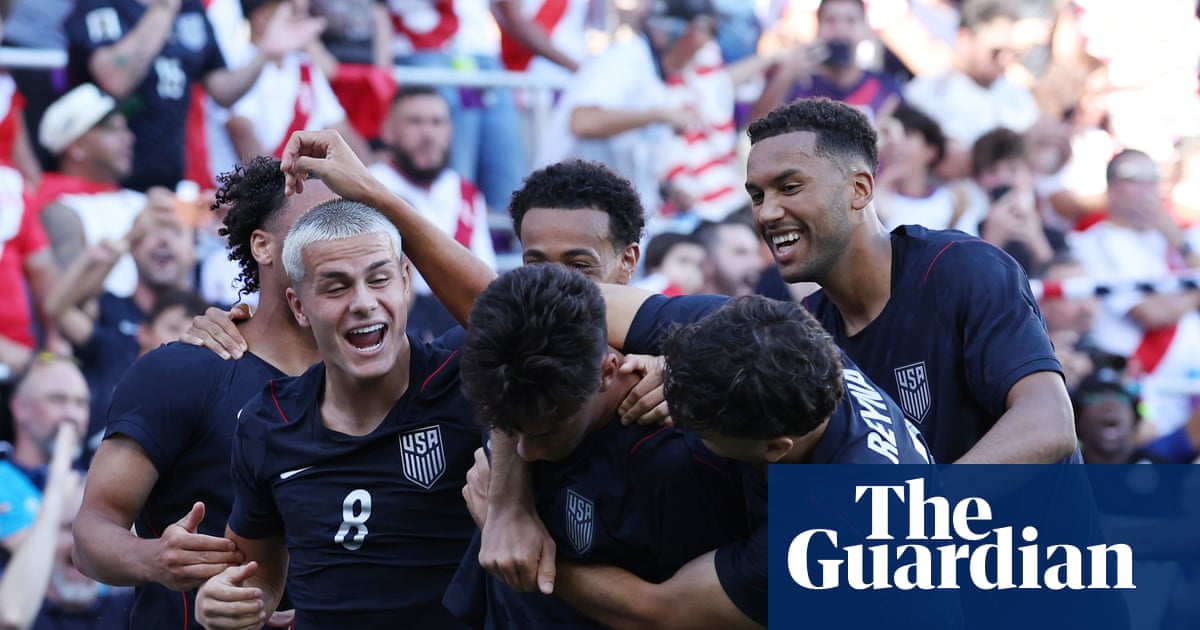
Dest surged forward and played a progressive pass through the Bosnian defensive line. The ball took a slight deflection off Muharemović, but Balogun anticipated the bounce. He reacted quickest, sliding a low finish past the advancing Vasilj to make it 1-0.
The Tactical Flaw and the Road to Belgium
Despite the lead, the first forty-five minutes exposed some questionable decisions in possession. The USMNT often struggled to progress the ball cleanly through the middle third when Tyler Adams was pressed. Christian Pulisic was forced to drop extremely deep to pick up possession, which left Balogun isolated.
In the 39th minute, Pulisic escaped down the left and sent a cross across the face of goal, but Balogun was caught on his heels. The physical toll of Pochettino's high-tempo demands was also visible. The players looked fatigued toward the end of the half, allowing Bosnia to grow into the game.
A late flurry saw Balogun hit the crossbar in the fifth minute of added time. He met Dest's header across goal but watched his flick clip the wood and fly over.
The tournament has already claimed major European casualties. As The Guardian reported in their live coverage, Germany and the Netherlands crashed out on a historic Tuesday, leaving the bracket wide open. A potential round-of-16 matchup against Belgium looms on the horizon.
The Red Devils survived their own round-of-32 clash in Seattle, but they looked incredibly vulnerable. Tedesco's side was outplayed by Senegal, conceding an expected goals tally of 3.52 to 1.80. The USA must clean up their central spacing if they want to exploit Belgium's broken defensive system.
The first half in Santa Clara proved that Pochettino has established a clear identity. The asymmetric spacing and high pressing lines have made the USMNT difficult to break down. However, the lack of clinical execution in the final third remains a major concern.
They must convert their dominance into goals to avoid a late collapse. This team is still a work in progress. The tactical progress is undeniable, but the physical demands of this tournament will test their squad depth.
If they want to reach the quarterfinals, they cannot afford to let teams like Bosnia stay in the match. The second half will determine whether this blueprint can carry them through the bracket. The margins are too thin for complacency.
Read Next
- Mauricio Pochettino stands on the edge of USMNT history tonight
- Mauricio Pochettino faces the ultimate vibes test against Bosnia
- Top 10: Top Moments of the 2026 World Cup's Opening Weeks
- Christian Pulisic is back in the USA lineup but the medical risks remain
- 🏆 World Cup 2026 — Full Coverage Hub
- 🇧🇦 Bosnia & Herzegovina at the 2026 World Cup — Full Coverage Hub