Governance turmoil meets the transfer market
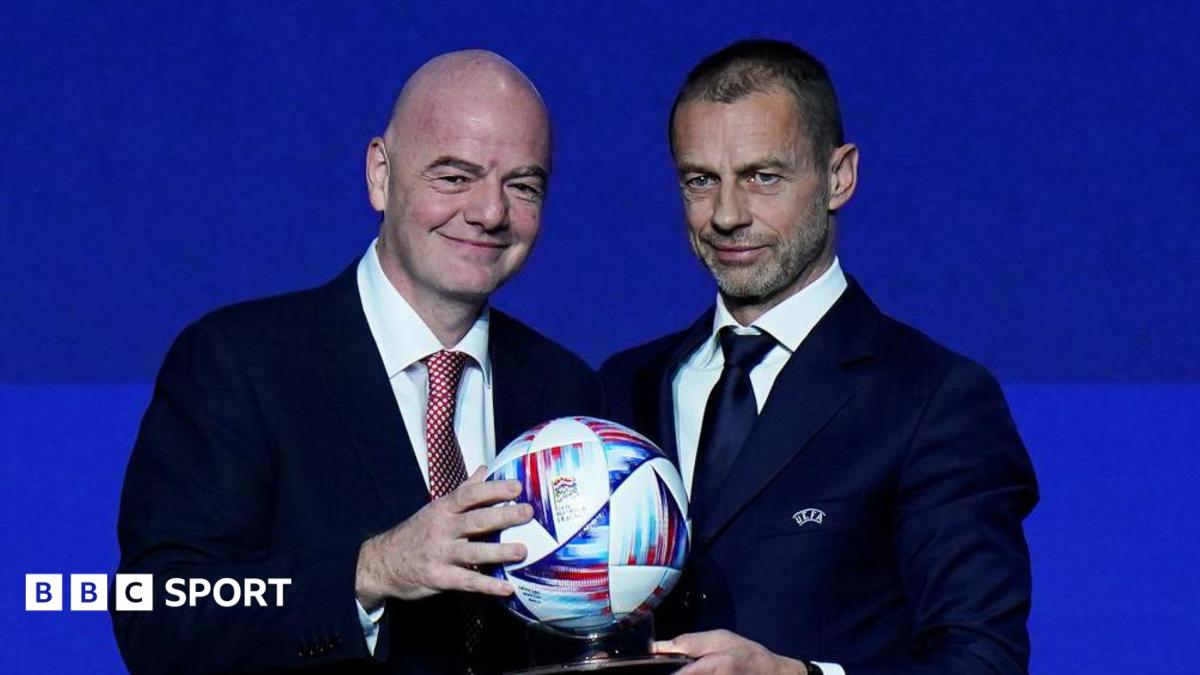
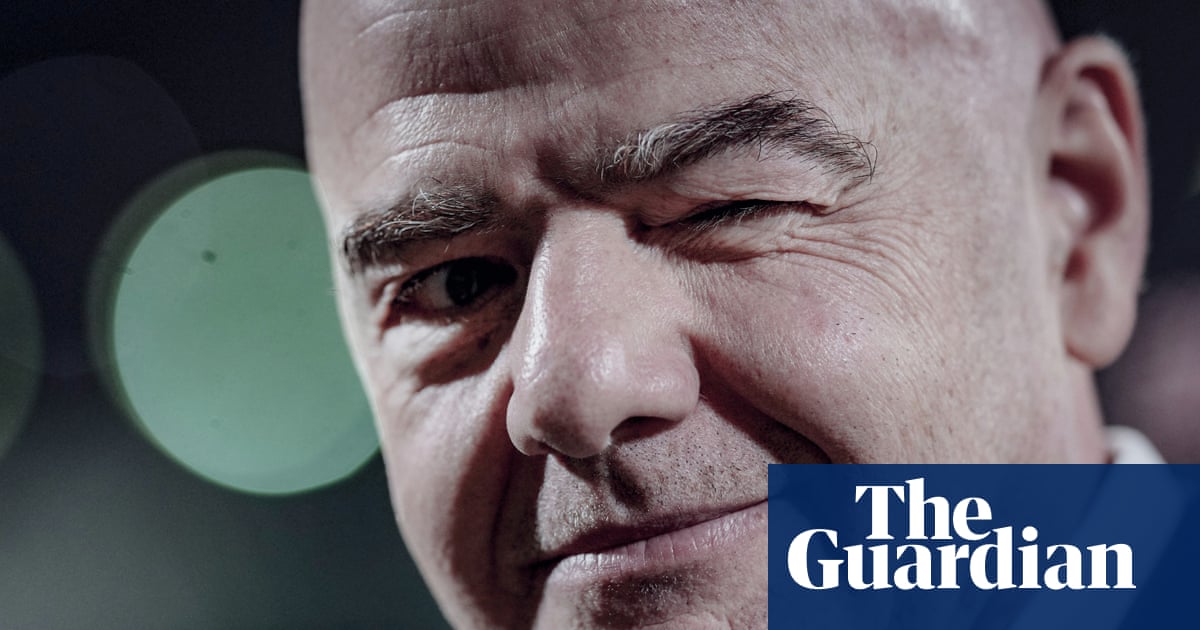
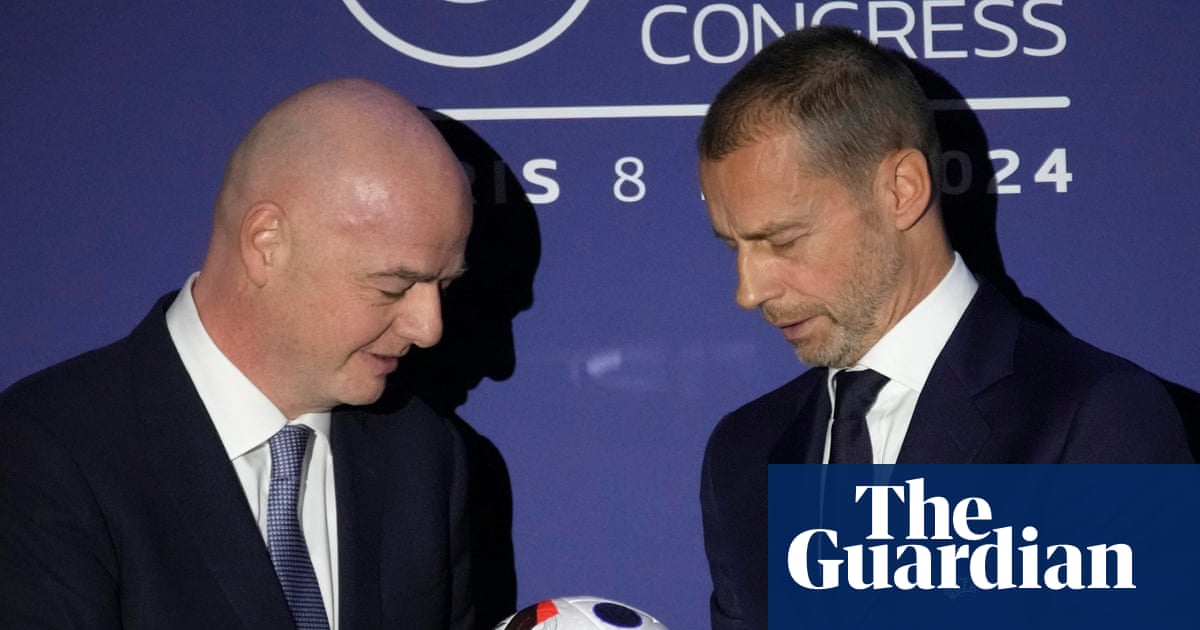
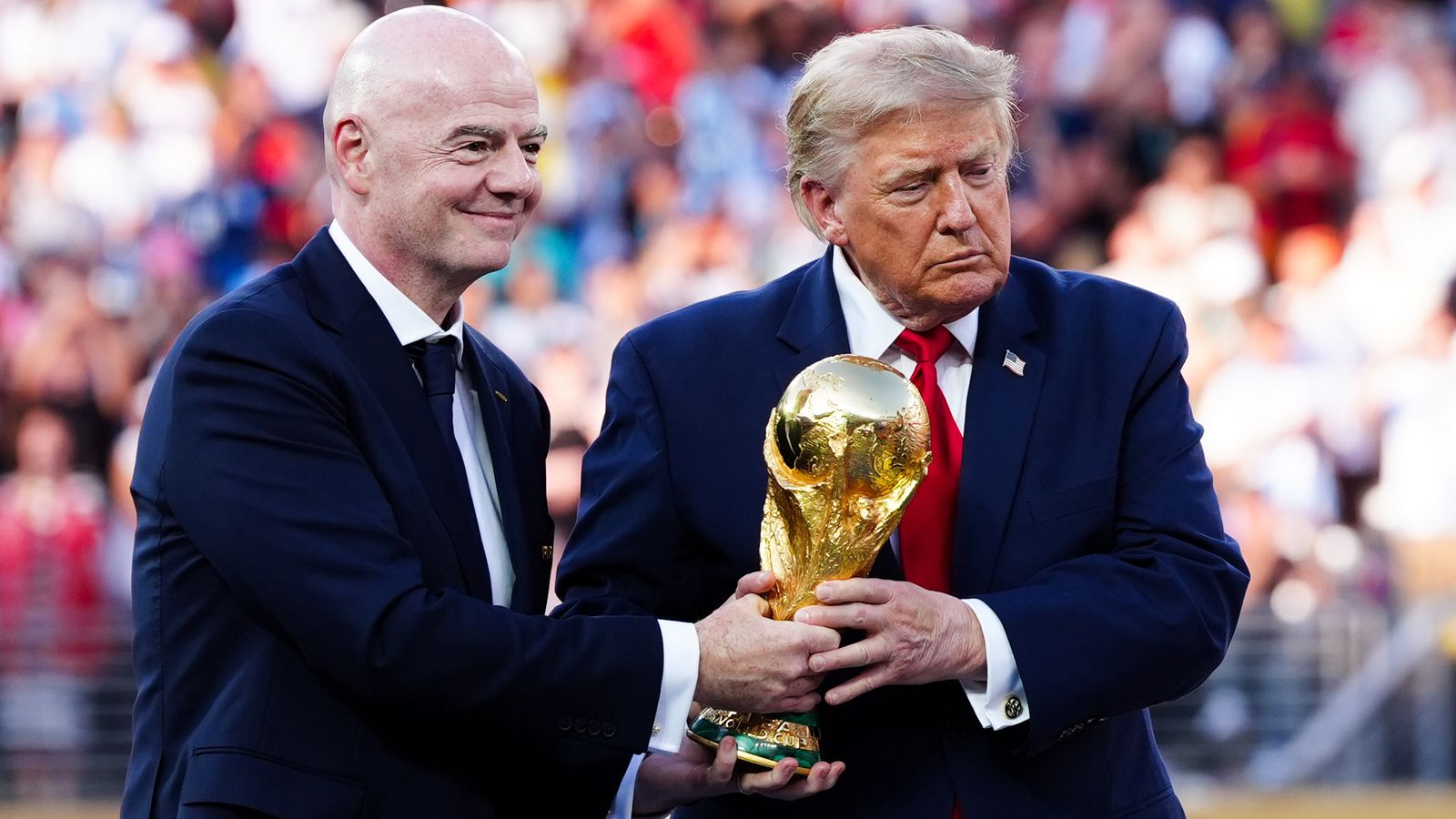
Gianni Infantino is currently navigating a period of intense scrutiny. Reports from The Mirror detail how a plan to secure a £22 million salary package—inclusive of significant performance bonuses—was abandoned following intense pushback from within FIFA’s internal committees. This isn't just internal bureaucracy; it directly impacts how clubs view their revenue streams and long-term transfer strategies.
The collapse of this proposed compensation structure highlights the volatility at the top of football’s governing body. When the executive leadership is distracted by salary scandals, the ripple effects move downward into the professional game. Club owners are now watching the fallout closely as FIFA shifts its focus toward selling commercial stakes in premier competitions.
Tactical implications for summer spending
Clubs are inherently risk-averse when the financial future of the international calendar remains in flux. We are seeing a distinct trend where directors of football are hesitant to commit to high-value, long-term deals until the commercial roadmap for 2027 becomes clear. The uncertainty surrounding FIFA’s revenue distribution means that even cash-rich clubs are holding their cards tight.
This hesitation creates a specific kind of frustration for managers looking to reshape their rosters before the transfer window slams shut. Coaches are reporting back to training grounds with incomplete squads, waiting for boards to release funds locked behind the uncertainty of new tournament formats. It is a messy reality for teams trying to compete at the elite level.
The market reality: a cautious outlook
Player movement has slowed significantly in late July. Most clubs are prioritizing squad stability over marquee acquisitions, largely because the projected revenue from revamped FIFA tournaments is no longer viewed as a guaranteed safety net. The financial projections that once justified high-wage signings are currently being scrubbed clean and re-calculated by accounting departments.
Critics point out that this administrative instability is bad for the product on the pitch. When governing bodies are embroiled in internal salary disputes, the focus shifts away from supporting the athletes. If the leadership cannot effectively manage their own bottom line, how can they be trusted to structure the commercial stakes of the world’s biggest competitions?
Probability and outlook
The probability of a major shift in transfer spending remains low until the governing body provides absolute clarity on their commercial trajectory. Expect a quiet August for most top-tier clubs unless a specific emergency arises due to injury or tactical failure. The stalemate is real, and it is holding up the market.
If the proposed commercial stakes sales go ahead without full transparency, expect further friction between FIFA and the European Club Association. We are looking at a sustained period of tactical caution. The impact on clubs will be felt in the lack of depth for teams participating in multiple competitions throughout the season, which could prove disastrous during the busy winter period.