Tuchel’s Midfield Crisis: Rice and Anderson Face Race Against Time Before Argentina
England’s World Cup semi-final spot is secured, but the medical room is working overtime. Thomas Tuchel is facing a massive midfield headache ahead of the July 15 clash against Argentina in Miami. The Three Lions advanced with a grueling 2-1 extra-time win over Norway, but the physical toll has left the squad severely depleted after a match where England's progression was saved by a disallowed goal that Rooney and White labeled as lucky.
Declan Rice is the biggest worry. The Arsenal midfielder was yanked at half-time in Miami after struggling to cope with the extreme Florida heat and humidity.
Medical staff confirmed Rice spent the three days leading up to the quarter-final confined to his bed with a severe viral infection. He was isolated from the rest of the squad to prevent the bug from spreading through the camp.
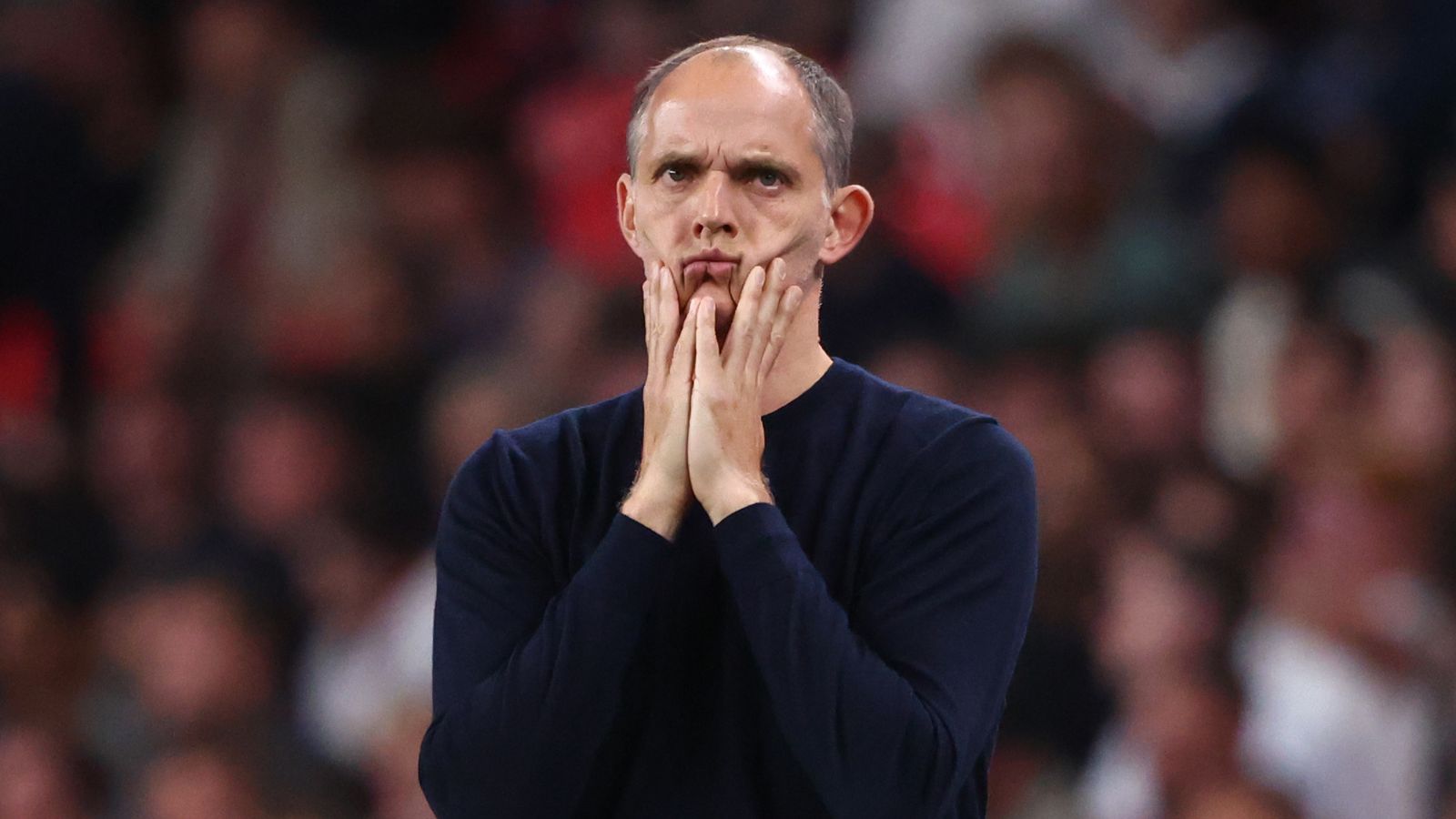
Tuchel took a massive gamble starting him. Rice has already been carrying persistent back and hamstring niggles throughout the tournament.
Running a half-fit player who was bedridden for 72 hours into 85-degree humidity was a questionable call. The gamble failed, forcing Tuchel to bring on Eberechi Eze at the break to restore energy to a sluggish midfield.
Then there is Elliot Anderson. The Nottingham Forest midfielder played the full 120 minutes against Norway but finished the match running on empty.
He was battered, bruised, and suffered severe muscle cramping during the extra period. The physical demands on the 23-year-old are reaching unprecedented heights.
"England got lucky with the disallowed goal."
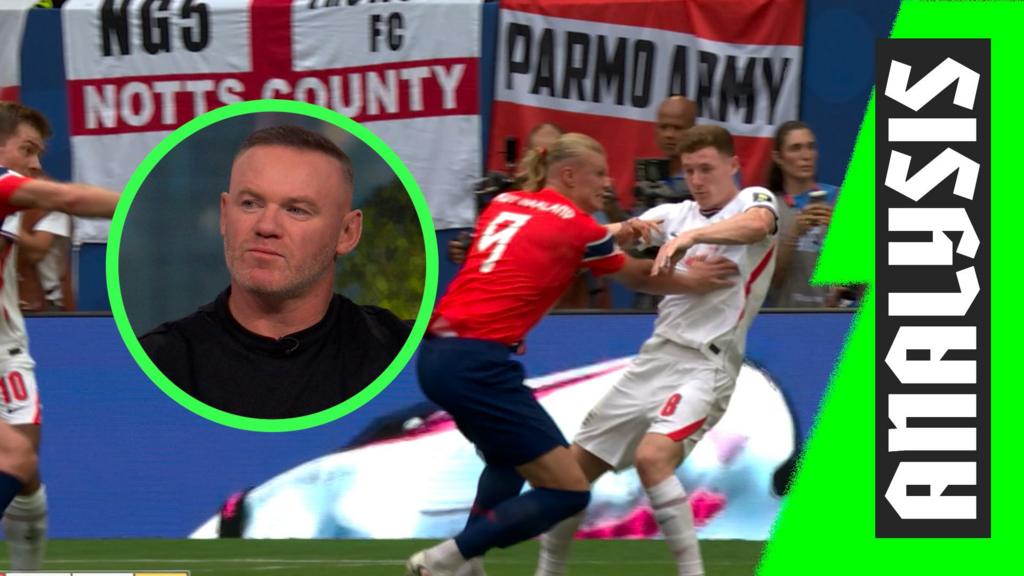
Anderson was at the center of the match's most controversial moment in the 55th minute. Norway striker Erling Haaland shoved Anderson to the turf inside the box just before a corner was taken. Torbjørn Heggem headered home what Norway thought was the go-ahead goal, but VAR intervened.
Under new tournament rules, the referee disallowed the goal because the foul occurred immediately before the set-piece restart. As BBC Sport reported, pundits Wayne Rooney and Ellen White argued England got lucky.
The physical load on Anderson is not his only stressor. Mid-tournament transfer negotiations concluded with a jaw-dropping £116 million agreement for Anderson to join Manchester City. While in the United States, Anderson had to fly to Kansas to undergo a medical examination.
Flying across states for a medical in the middle of a World Cup campaign is a logistical nightmare. His history of a stress fracture in his back, which kept him out for 126 days during his Newcastle days, makes his current 120-minute shifts highly risky.
The Casualty Ward: Henderson, Guehi, and James Out
Tuchel’s options are already threadbare. Veteran Jordan Henderson is officially out of the tournament. The midfielder underwent surgery on a fractured wrist suffered during a bizarre celebration after the Round of 16 victory against Mexico.
It was a self-inflicted blow that England could ill afford. With Henderson sidelined, the depth in central midfield has evaporated.
Reece James is also long gone. The Chelsea defender was ruled out before the knockout stages even began with yet another hamstring tear. His recovery timeline is set for late August, meaning his tournament ended before it truly started.
This leaves Kyle Walker to absorb massive minutes at right-back without proper rotation. Walker's own fitness history suggests that playing three matches in ten days could trigger his own muscular issues.
Marc Guehi remains a major doubt. The Crystal Palace center-back missed the Norway clash due to a hamstring strain. Medical staff are working round-the-clock to get him ready for Lionel Messi and Argentina.
Ezri Konsa started in his place against Norway but finished the match hobbling with severe hamstring cramps. Tuchel is running out of healthy defenders.
Norway had their own medical drama before kickoff. Reports emerged of a sickness bug sweeping through the Norwegian camp, affecting Jorgen Strand Larsen and Marcus Holmgren Pedersen.
Norway team doctor Ola Sand cleared them all before the match, but the physical drop-off in the second half suggested otherwise. Norway simply lacked the energy to exploit England’s obvious fatigue.
Sports Science Nightmare: Miami Heat and Logistics
The sports science staff are facing a logistical nightmare. England’s recovery protocols are being pushed to the limit. Players are spending hours in ice baths and hyperbaric chambers to combat the Miami humidity.
The heat index at Miami Stadium touched 94 degrees during the quarter-final. That level of heat drains glycogen stores twice as fast as normal conditions.
Historically, teams that play back-to-back extra-time matches in extreme heat struggle in the semi-finals. Croatia managed it in 2018, but they paid the price in the final.
England’s medical team must find a way to rehydrate and repair muscle tissue in less than 72 hours. If Rice cannot start against Argentina, the tactical implications are severe.
Tuchel would likely have to start Conor Gallagher alongside Anderson. While Gallagher brings endless running, he lacks Rice’s positional discipline.
Against a team like Argentina, positional discipline is everything. Leaving space between the lines is a recipe for disaster when Messi is on the pitch.
Manchester City’s medical department is also watching anxiously. They have just committed a British record fee for Anderson.
Seeing him limp through extra time while recovering from a multi-state flight is surely raising heart rates in Manchester. They need their shiny new signing to return in one piece for pre-season training.
Tuchel has three days to patch this squad together. The tactical blueprint is useless if the players cannot physically execute it. The medical staff, not the coaching staff, will decide if England can reach the final.
Historical Precedent: The Danger of Rushing Ill Players
Rushing players back from viral infections has historically backfired on the international stage. In the 1998 World Cup final, Brazil famously started Ronaldo after he suffered a mysterious convulsion hours before kick-off. He was a shadow of his usual self, and Brazil suffered a heavy defeat.
In the 2022 World Cup, France struggled in the final against Argentina after several players caught a virus that disrupted their training camp. The French squad appeared sluggish, lacking the physical capacity to match Argentina's high press during the first half.
Tuchel’s decision to play Rice was a gamble of similar proportions. The Arsenal man’s immune system was already weakened by fighting the virus, and the high-intensity environment of a World Cup quarter-final in Florida only compounded the issue. It was clear within fifteen minutes that Rice was struggling to cover his usual ground, exposing England's backline repeatedly.
The recovery timeline for viral infections is unpredictable. Post-viral fatigue can linger for weeks, affecting cardiovascular efficiency and muscle recovery.
If Rice is forced to start against Argentina, England risk another early substitution that disrupts their tactical shape. Tuchel must weigh the player's reputation against the raw data from the sports science team.
For Anderson, the workload is equally concerning. The midfielder's previous back stress fracture is the type of injury that can easily reoccur under chronic fatigue.
Stress fractures are caused by repetitive loading without adequate rest, which is exactly what Anderson is experiencing now. Manchester City will be desperately hoping England's medical staff exercise caution, but with a World Cup final at stake, caution is in short supply.
Read Next
- Jude Bellingham injury scare adds pressure to England semifinal preparations
- Why England's Miami heat test is a statistical nightmare for Thomas Tuchel
- Why England's defensive crisis gives Norway a golden ticket in Miami
- England vs Argentina: The tactical cage trap
- 🏆 World Cup 2026 — Full Coverage Hub
- 🇦🇷 Argentina World Cup 2026 — Defending Champions Hub
- 🏴 England World Cup 2026 — Three Lions Hub