The Bellingham availability dilemma
England manager Thomas Tuchel confirmed internal friction regarding performance standards following the 1-0 quarter-final victory over Norway. While the headlines focus on tactical critiques, the fitness status of Jude Bellingham remains the primary concern for the squad as they prepare for the semifinal round.
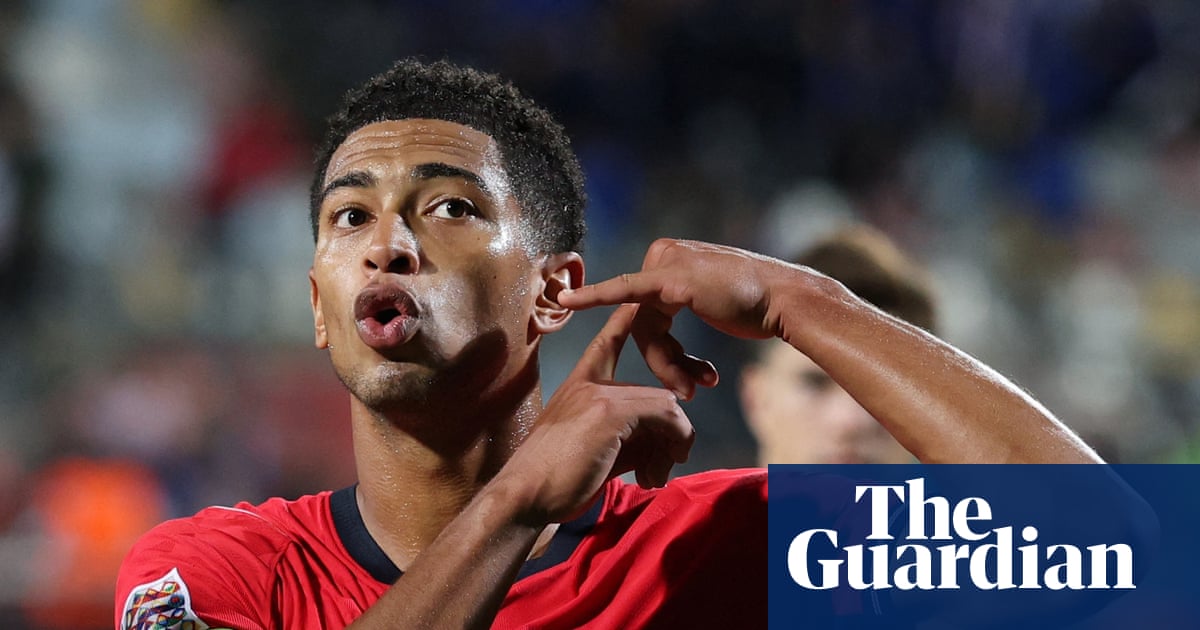
Bellingham was seen favoring his lower extremity during the final ten minutes of the match on July 10. Medical staff have been monitoring a recurring muscle strain that bothered him during the latter stages of his club season. Despite reports from team doctors suggesting he will be available, his training volume has been significantly reduced over the last 48 hours.
Tactical reliance and recovery risks
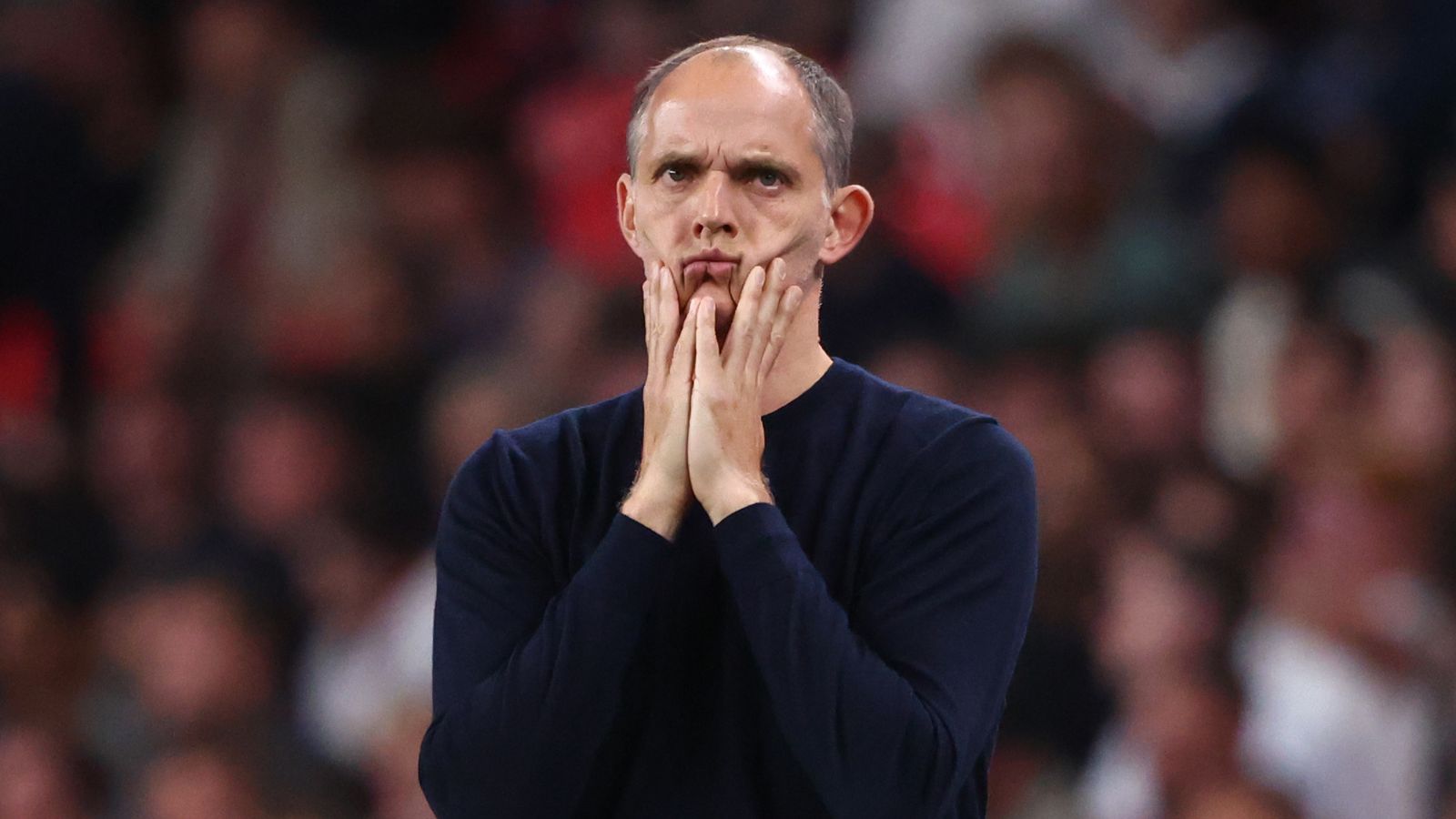
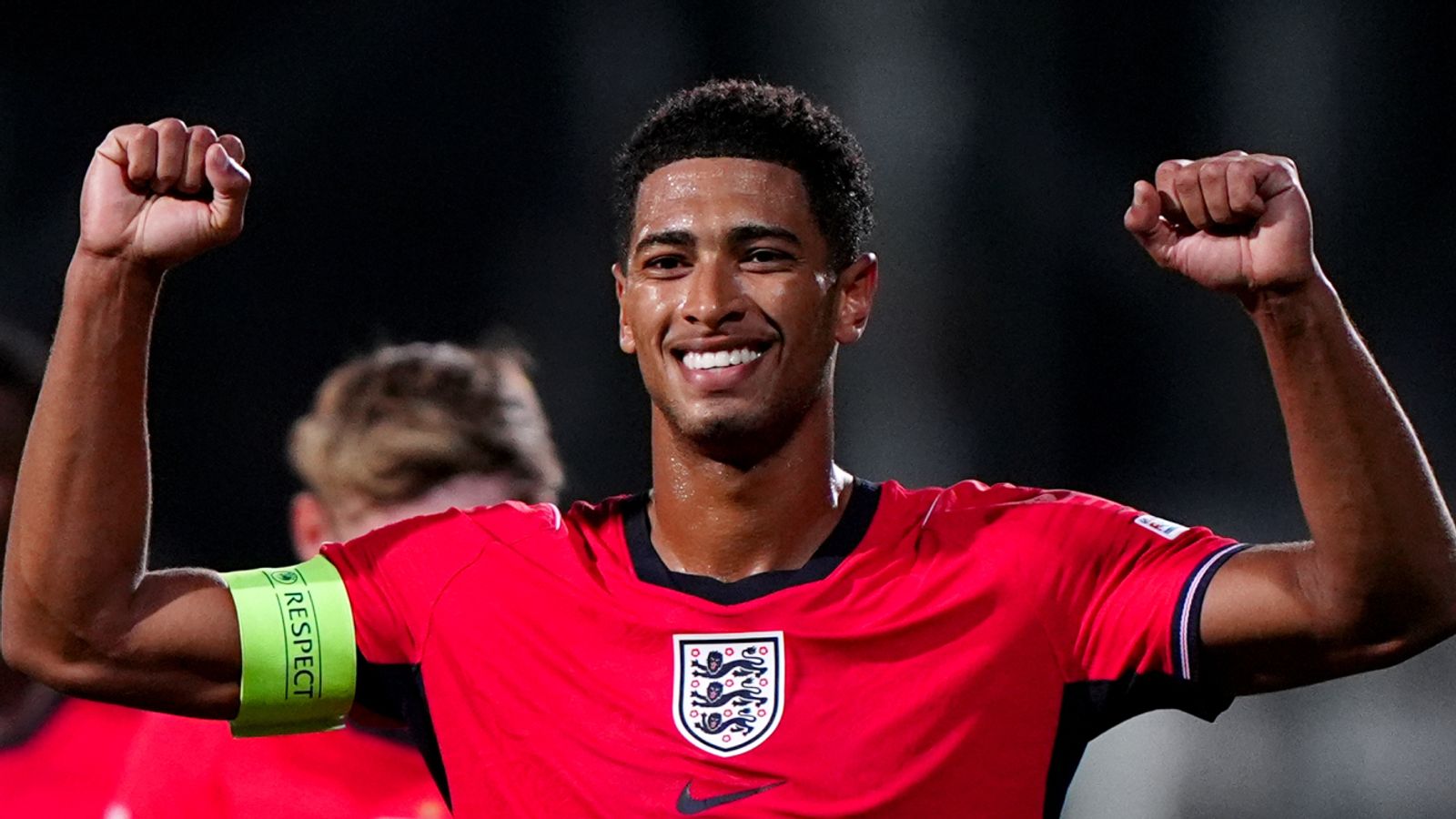
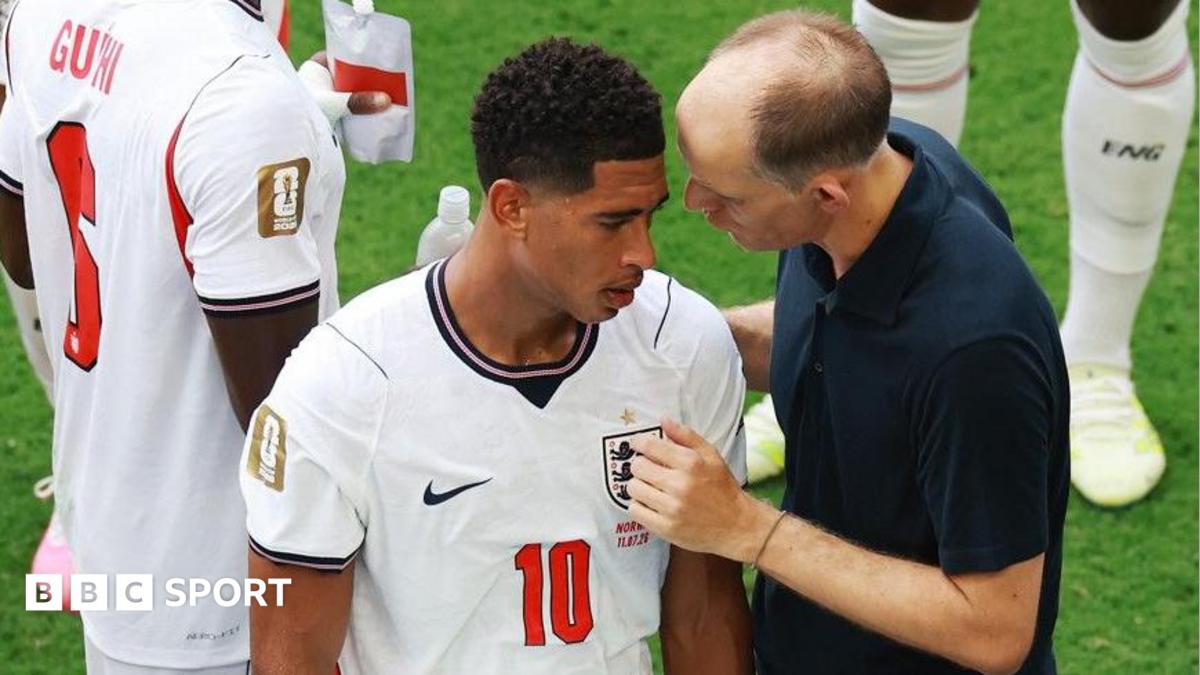
Tuchel labeled his team's output as sloppy, yet the dependency on Bellingham is absolute. Bellingham, who secured the win to advance to the final four, publicly disagreed with his manager's assessment of the squad's fortune. This dynamic suggests the physical load carried by the midfielder is masked by his high-intensity output during the 90 minutes.
Medical analysts suggest the short turnaround between quarter-final and semifinal matches creates a high probability of aggravation for soft tissue injuries. If Bellingham fails to train fully on July 14, Tuchel may be forced to adjust his formation to compensate for a lack of vertical progression in the final third.
Historical context and competitor analysis
England has navigated similar high-stakes fitness windows previously. During the 2022 World Cup, managing key personnel through the late stages of a tournament defined the success of the eventual champion. Tuchel, known for his rigorous training standards, now faces the task of suppressing his desire for high-intensity recovery sessions to protect his star asset.
Competitors remaining in the draw are monitoring the situation closely. A tactical switch from England would drastically alter how opponents deploy their defensive midfielders. Should Bellingham start at less than 100 percent, the risk of a mid-game substitution becomes imminent, changing the cadence of the match. For more on the internal tension surrounding the squad, read how Tuchel voiced his frustration with the team's sloppiness post-match.
Operational gaps in the medical department
Criticism has been levied at the speed of recovery procedures implemented at the training base. Sources within the camp indicate that individual recovery metrics were missed twice during the high-heat conditions of the group stages. If these internal processes do not improve, the risk of further non-contact injuries increases.
This lack of administrative control over physical loads is a flaw in the current camp management. While the focus remains on the trophy, failing to manage sub-clinical injuries like Bellingham’s could derail the campaign before final whistle. Consistency in training output is the only metric that matters now.
The path to the final
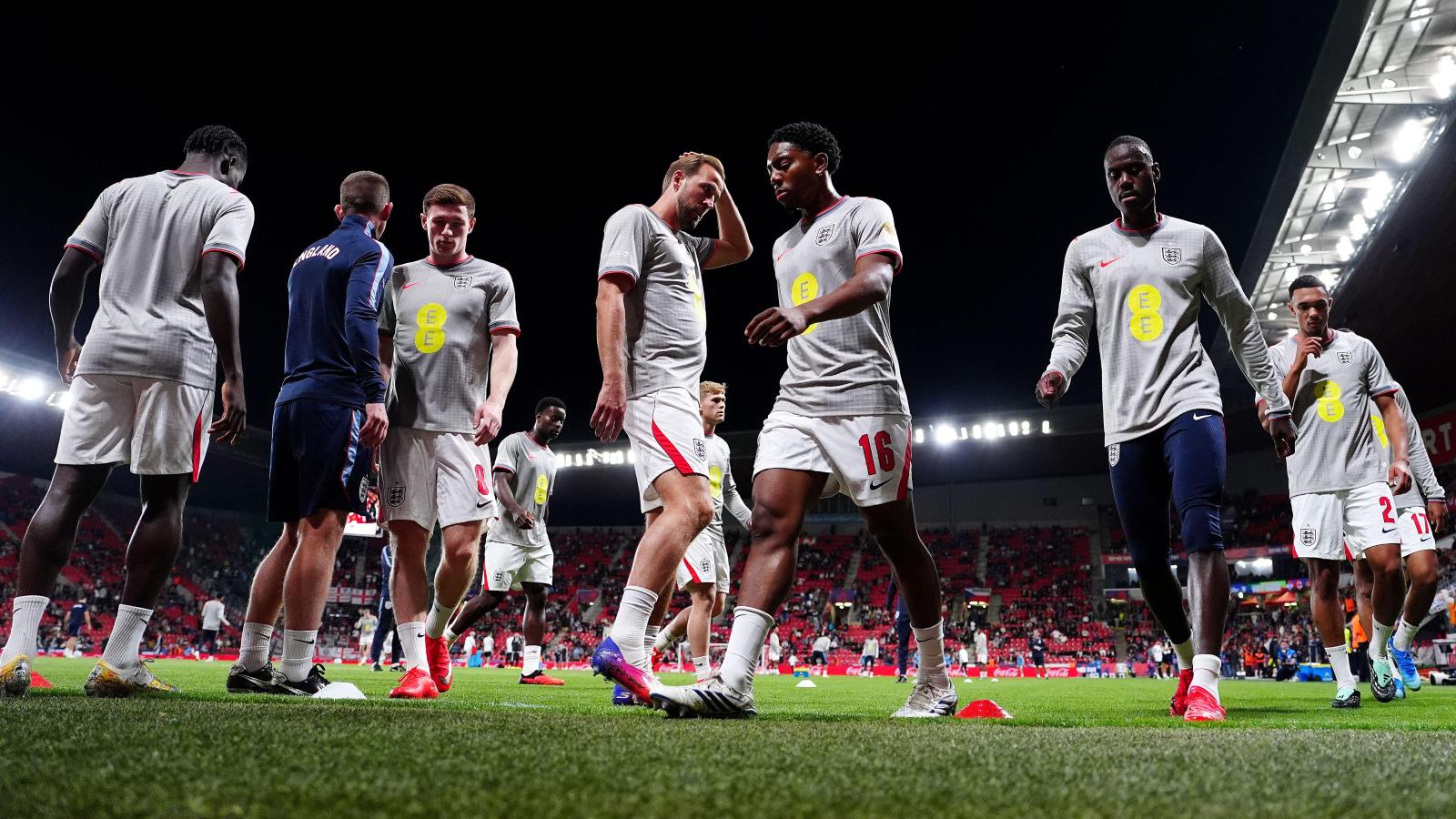
The semifinal match is fixed for July 15. Every hour counts in the reduction of inflammation for a player of Bellingham’s profile. If the medical team cannot clear him for full contact by the final practice session, the strategic shift will center on squad depth players who have yet to see significant minutes in the tournament.
The current injury management style leans on player feedback over objective data. Bellingham’s insistence on his own readiness against medical caution is a recurring theme in modern football. Whether this confidence overcomes the physiological reality of a strained muscle will be decided on the pitch.
Read Next
- The World Cup 2026 is hurtling toward a chaotic conclusion
- Why England's Miami heat test is a statistical nightmare for Thomas Tuchel
- Why England's defensive crisis gives Norway a golden ticket in Miami
- England’s defensive gamble is working despite the Pickford problem
- 🏆 World Cup 2026 — Full Coverage Hub
- 🏴 England World Cup 2026 — Three Lions Hub
- ⚡ UCL Semi-Finals 2026 — Full Coverage Hub