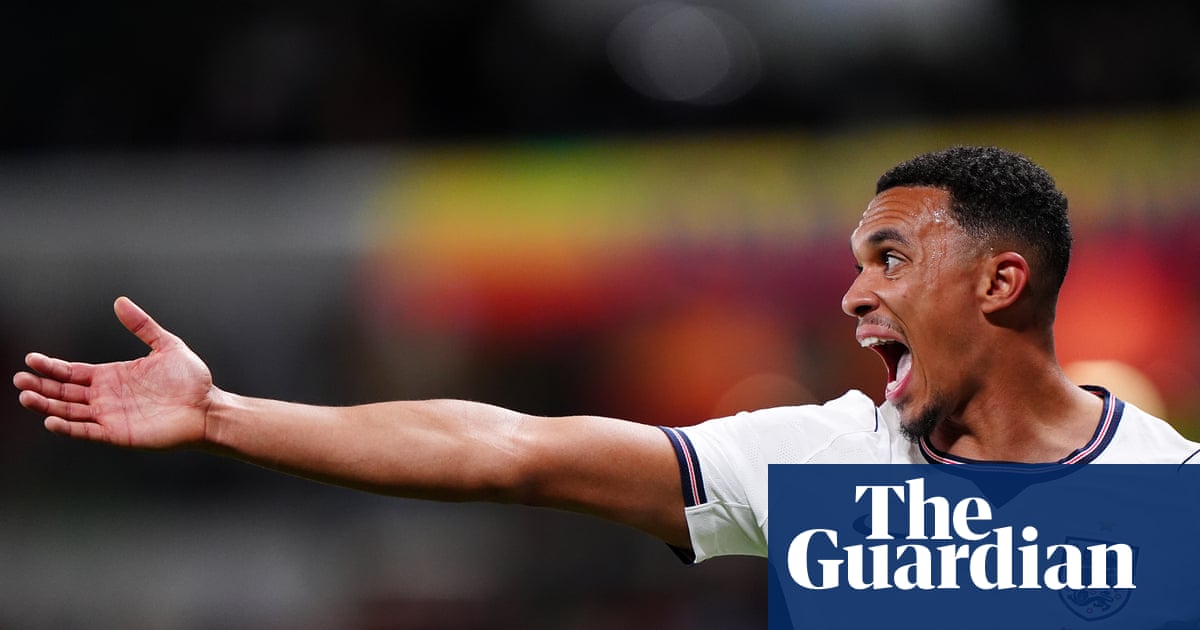
An ugly night in Prague raises immediate questions
If you watched the scoreboard on Tuesday night, Thomas Tuchel had a dream outing at Fortuna Arena. A clean sheet away from home, three points bagged in UEFA Nations League Group A3, and goals from his star attackers look great on paper. But paper lies, especially in international football.
Before Pavel Sulc got himself sent off in the first half, England looked sluggish and predictable. The ball moved sideways at a glacial pace while Czechia sat deep and waited for mistakes. If you turned off the match after twenty minutes, you would have sworn Gareth Southgate had secretly reclaimed the clipboard.
The early signs were concerning. Elliot Anderson coughed up possession inside his own half within the opening five minutes, forcing James Trafford into a desperate save to prevent a catastrophic start. Morgan Rogers did manage to rattle the post with a sharp effort, but England lacked any central rhythm.
Winning 2-0 against ten men provides welcome breathing room for the new manager. Yet anyone treating this result as a tactical masterclass is ignoring how fragile England looked before the referee intervened. A win is a win, but this performance raised more red flags than celebratory banners.
The Trent Alexander-Arnold paradox: Chaos and magic in 90 minutes
No player on the pitch embodied England's split personality quite like Trent Alexander-Arnold. The Real Madrid star was handed his first start under Tuchel in Prague, operating in his preferred right-back slot. What followed was ninety minutes of pure, uncut tactical drama.
During the opening thirty minutes, Trent gave his harshest critics all the evidence they needed. He looked physically off the pace and allowed himself to be muscled off the ball far too easily near his own penalty area. That giveaway handed Czechia a golden opportunity that a sharper attacking side would have buried without hesitation.
Then came the second half, and Trent reminded everyone why managers tolerate the defensive gamble. Seconds after the restart, he initiated a relentless high press, forced a turnover from the Czech backline, and whipped an exquisite cross straight onto Anthony Gordon's head at the far post.
That single sequence is the entire Trent Alexander-Arnold experience condensed into five seconds. His supporters argue that no other right-back on the planet can turn defensive pressing into an elite goalscoring opportunity so effortlessly. His detractors counter that top-tier wingers in knockout tournaments will punish his defensive lapses long before he gets a chance to cross.
Both arguments are entirely valid. In games where England enjoy numerical superiority, Trent's range of passing and high pressing act as a lethal cheat code. But when facing elite European opposition, his physical errors remain a ticking time bomb.
Anthony Gordon is forcing his way into England's elite core
While Trent provided the delivery, Barcelona winger Anthony Gordon provided the finishing touch. Nodding home seconds into the second period, Gordon marked his third consecutive goal in an England shirt. More impressively, he has now registered a goal contribution in six straight matches for his country.
Gordon brings an aggressive, direct style of play that this squad has lacked for years. Rather than recycling possession safely backward, he constantly attacks the Czech full-back and forces defenders to turn toward their own net. That willingness to take risks gave England the vertical threat they desperately needed after a flat first half.
His impact went far beyond his goal. Gordon repeatedly carved open the hosts, setting up former Newcastle teammate Lewis Hall for a wide finish before placing a cross onto the head of Morgan Rogers, who nodded just wide of the post. He was comfortably the most dangerous player on the pitch.
Naturally, skeptical fans will point out that his second-half explosion came against a tired ten-man unit. Breaking down a depleted Czechia in Prague is a very different challenge from breaking down France or Spain in a tournament setting. Space was readily available once Sulc left the pitch.
Even with those caveats, Gordon is currently outperforming every other wide option in the pool. When a winger delivers consistent output across six international games, debate over his starting spot should end. He has earned the right to lock down the left wing.
The Pavel Sulc red card and the VAR debate
The defining pivot of the match arrived midway through the first half when Lyon midfielder Pavel Sulc was sent off. Sulc, who drew transfer headlines during the summer over a surprising link to Wrexham, lunged into a heavy challenge on Elliot Anderson. The referee initially brandished a yellow card before VAR called him to the screen.
After reviewing the footage on the monitor, the official upgraded the sanction to a straight red card. In real time, the challenge appeared clumsy rather than malicious. Yet slow-motion replays highlighted studs making high contact, leaving the referee with little choice under current guidelines.
As The Mirror reported in their match analysis, the decision looked somewhat harsh on first viewing, but Sulc offered no complaints as he walked off. He knew he had given the official a reason to make a decision by diving in recklessly.
The red card completely reshaped the contest, robbing Czechia of their primary midfield organizer and forcing them into survival mode. It also shielded England from what was turning into a frustrating evening of possession without purpose.
Here is how different factions of the fan base viewed the red card incident:
- Match purists argue that slow-motion video review transforms standard physical contact into automatic red cards, ruining competitive flow.
- Tactical analysts maintain that sliding in recklessly with raised studs is a textbook red card under modern safety standards.
- England cynics point out that Tuchel's side was struggling for ideas before VAR handed them a massive numerical advantage.
James Trafford's clean sheet and Harry Kane's cold milestone
Amid the discourse surrounding Trent and VAR, James Trafford quietly reached a significant milestone in goal. The Leeds United shot-stopper earned his second consecutive start for England, making him the first goalkeeper to displace Jordan Pickford for back-to-back fixtures in four years.
According to match details confirmed after the final whistle:
"It is the first time that an England keeper other than Jordan Pickford has started consecutive games since Nick Pope in September 2022."
Trafford showed impressive composure after his early scare, organizing his backline with authority and sweeping up long balls efficiently. Pickford remains the incumbent for major tournaments, but Trafford is proving he is more than just a bench warmer.
Up front, Harry Kane did what Harry Kane always does. Coming off a painful penalty miss against Spain that prompted critics to question his sharp edge, the Bayern Munich forward responded with ruthless efficiency. When a loose ball fell to him inside the box, he smashed it past Kovar to seal the match.
That strike marked 87 goals for Kane in an England shirt, extending his record as his country's all-time leading scorer. While internet scouts love to gripe about his tendency to drop into midfield, his finishing in the penalty area remains world-class. His relentless output keeps him firmly in the conversation for the Ballon d'Or.
What this Prague win actually means for Thomas Tuchel
A two-goal victory in Prague keeps England on track in Nations League Group A3, but nobody should mistake this for a finished product. Thomas Tuchel leaves Czechia with three points and a list of structural problems that require urgent attention.
The team's reliance on individual brilliance—whether a magical Trent cross or a clinical Kane finish—is not a sustainable strategy against top-tier international sides. When playing eleven against eleven, England's midfield lacked press resistance and central movement.
Tuchel deserves credit for giving Trafford consecutive starts and backing Gordon's form on the left wing. However, finding a defensive structure that covers for Trent while maximizing his creative passing remains his biggest tactical puzzle.
England won the match and satisfied the scoreboard, but the real test lies ahead. Until Tuchel builds a system that dominates games before a referee sends off an opponent, the skepticism surrounding this squad will remain entirely justified.
Read Next
- Thomas Tuchel is still overthinking Trent Alexander-Arnold
- England lost to Spain but the Nations League is actually working
- England lost to Spain again, so why is nobody screaming at Thomas Tuchel?
- Top 10: Top Moments from England's 3-2 Nations League Thriller Against Spain
- 🏴 England World Cup 2026 — Three Lions Hub
- 🏆 UEFA Nations League Final Four 2026 Hub — June 4-8, Lisbon