
Diego Forlan taking the Uruguay job is a tactical gamble
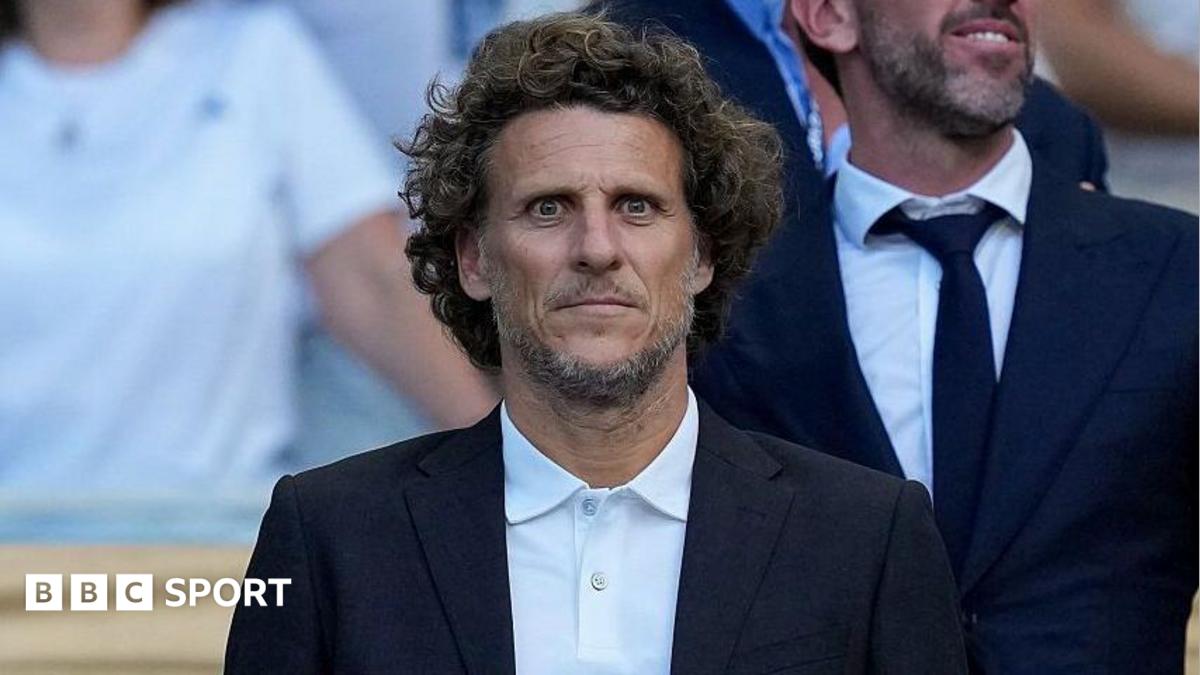
The transition from striker to tactician
Diego Forlan’s appointment as interim head coach of Uruguay arrives at a precarious junction for La Celeste. The national side has been drifting, searching for a coherent identity that bridges the gap between their historic defensive grit and a modern need for fluid transitions. Hiring a former talismanic striker is rarely a straightforward move. It often ignores the disconnect between elite goal-scoring instincts and the granular demands of managing a squad’s positional structure.
Forlan brings a deep understanding of the Uruguayan mentality, a factor that cannot be discounted in the volatile environment of CONMEBOL qualifying. However, sentimentality rarely improves expected goals metrics or defensive transition speed. Watching the tape of Uruguay’s recent outings reveals a team that struggles when the opposing press is high. They lose their shape in the midfield third, often leaving their fullbacks isolated against quick wingers.
The structural challenge
The core tactical concern remains the space between the defensive line and the holding midfielder. Without a clear plan to dictate tempo, Uruguay has been conceding high-quality chances on the counter-attack, frequently being carved open by simple diagonal balls. Forlan must decide if he will double down on the high-intensity pressing seen in previous cycles or shift toward a more conservative, block-heavy approach.
His lack of head coaching experience at this level is the elephant in the room. The transition from legendary player to effective manager requires more than just respect in the dressing room. It requires the ability to adjust mid-game when an opponent shifts to a 4-4-2 diamond or clogs the center of the pitch. If he sticks to a rigid formation without accounting for specific player movement patterns, he will find the international game unforgiving.
The defensive dilemma
We saw this same struggle with other former greats turned managers who overestimated the ability of their personnel to execute complex tactical transitions. If Forlan insists on pushing his wing-backs high, he must ensure the central defenders are comfortable in one-on-one scenarios during defensive transition phases. Currently, the team’s failure to track runners from deep positions has been a primary cause of conceded goals in the 75th minute or later.
The schedule is unforgiving, and there is no room for a soft landing. He inherits a roster that has talent but lacks the cohesive discipline required to win away from home in South America. If he fails to implement a clear structure within the first three matches, the pressure from local media will mount rapidly.
A reputation on the line
This is not a long-term project. It is a stop-gap measure that carries significant reputational risk for Forlan. His legacy as a player is etched in stone, but the dugout is a cruel theater where past accolades offer zero cover during a losing streak. The football authorities have made a choice rooted in recognition rather than a proven track record of coaching excellence.
Forlan must prove he is more than just a famous face on the touchline. He needs to display an aptitude for tactical preparation that goes beyond basic team selection. If the team continues to leak goals due to poor spacing or a lack of intensity during defensive transitions, the experiment will be labeled a failure before he reaches the end of the year. The current interim status suggests the board is keeping their options open, which in itself is a vote of no confidence.
Whether he can instill a disciplined tactical framework remains the primary mystery. We have seen recent reports confirm the appointment, but the on-pitch reality will be defined by his ability to identify and address the chronic issues in transition that have plagued the squad. If the defense remains porous, no amount of goodwill will save his tenure.
Adidas Unisex-Adult MLS Club Capitano Soccer Ball
A durable, high-quality match ball that's perfect for weekend pickup games.
Frequently Asked Questions
What are the primary tactical issues facing Uruguay's current team?
Why is Diego Forlan's appointment considered a risky decision?
How must Forlan address Uruguay's defensive vulnerabilities?
What specific skills does Forlan need to succeed as a coach?
What is the expected timeframe for Forlan to show results?
More Coverage

Enzo Maresca's Man City are top, but Anfield will expose their chaos
2 hours ago
Enzo Maresca has Man City top, but Liverpool will expose them at Anfield
2 hours ago
Back-to-back 4-3 losses prove Norwich City are structurally broken
4 hours ago
Michael Carrick is running out of options before Manchester United face Fulham
11 hours ago
Arsenal's Amex nightmare and Newcastle's back-three panic show tactical cracks
16 hours ago
Arsenal's record pursuit crashed in 58 brutal minutes at Brighton
23 hours agoMore Analysis

FIFA's three-week September window is a tactical disaster waiting to happen
3 days, 3 hours agoMessi's Argentina retirement hurts, but we got the fairytale ending in Qatar
2 weeks, 6 days ago
Diego Forlan faces a brutal reality check in the Uruguay dugout
1 month, 1 week ago
Diego Forlan faces a brutal reality check in the Uruguay dugout
1 month, 1 week ago
FIFA's political civil war threatens to derail the upcoming international calendar
1 month, 2 weeks ago