The end of an era at Anfield
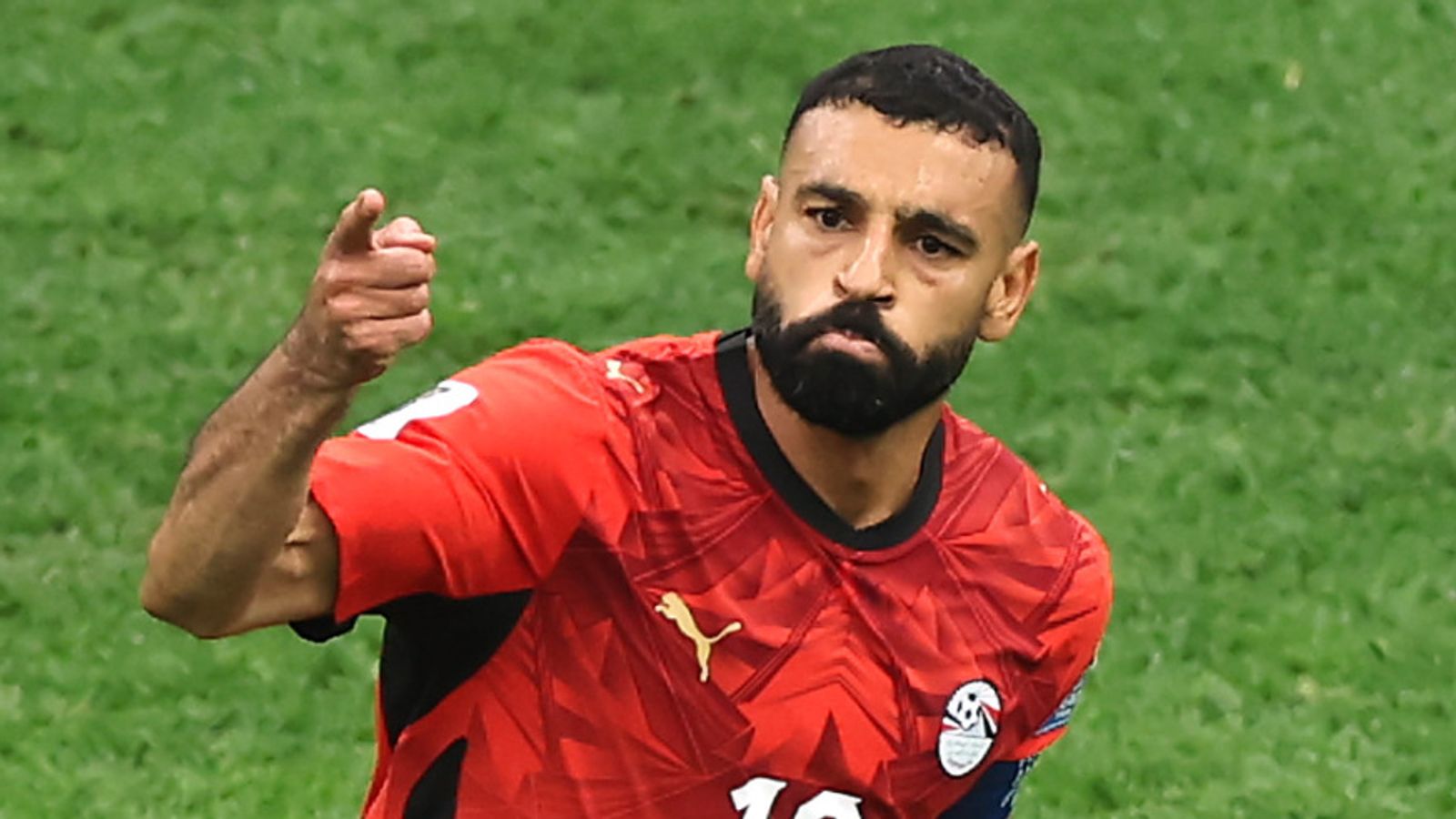
The departure of Mohamed Salah from Merseyside marks the closing of a chapter that redefined modern forward play in the Premier League. As reported by Sky Sports, the Egyptian forward has completed a free transfer to Trabzonspor. This is not merely a change of kit. It is a fundamental shift in his career trajectory.
For years, Salah functioned as the primary outlet for rapid transitions. His heat maps were consistent: he occupied the right half-space, waiting for diagonal balls from deep or quick reversals from the central midfield. Now, he faces a different defensive reality in the Super Lig. He will no longer be the final piece in a high-pressing machine engineered for dominance.
Tactical adjustments in Turkey
Trabzonspor presents a unique set of constraints. The tactical discipline Salah enjoyed under Jurgen Klopp—where Roberto Firmino or Cody Gakpo would drop deep to drag center-backs out of position, creating vacant corridors for him to exploit—likely will not be present. He will be forced to operate as a creator rather than a finisher.
His efficiency metrics in the final third have declined over the last eighteen months. During his final season at Anfield, his xG per ninety minutes dipped significantly as he adjusted to a more distributive role. Transitioning to a league that demands high individual brilliance often punishes players who rely on system-based spacing.
The defensive liability
The biggest question is his work rate off the ball. Liverpool’s tactical efficiency relied on Salah tracking back to assist the right-back. In the Super Lig, where the defensive lines are often more fragmented, he might be given freedom to conserve energy. This is a dangerous luxury.
If Trabzonspor fails to provide a defensive screen behind him, he will be exposed during counter-attacks. His recovery pace has noticeably dropped since 2024. If an opponent effectively doubles him up, the tactical trade-off might not be worth the offensive output.
The burden of expectation
The fans in Trabzon expect an immediate return on this investment. Given he arrived on a free transfer, there is zero margin for a slow start. He must adapt to a league that historically struggles to maintain high-intensity tactical structures for ninety minutes.
The risk of a slump is high. If he fails to score or assist in his first five matches, the media pressure will become suffocating. The transition from the structured chaos of England to the volatile environment of Turkish football is a classic test for aging stars.
A difficult road ahead
I am skeptical about this move succeeding in the long term. Salah is used to being the most important player in a high-functioning system. Moving to a team that requires him to build plays from scratch against low blocks will highlight his decline in speed and agility.
Expect him to struggle with the physicality of the league before Christmas. While his technical quality remains elite, his reliance on space—which will be denied to him by bottom-half sides playing deep—will result in a frustrating start to his tenure.
My prediction? He finishes the season with fewer than ten league goals and struggles to find a consistent position in the starting eleven by May. He is an icon, but this move feels like a mismatch of requirements.
Read Next
- Mohamed Salah joining Trabzonspor is the wild summer plot twist we needed
- Matthias Jaissle's Newcastle revolution is starting from absolute zero
- Premier League breakout candidates to track this weekend
- Top 10: The Two-Way Dilemmas and Two-Step gambits Shaping Football in 2026
- 🇪🇬 Egypt World Cup 2026 — Salah's Last Dance
- 🔥 Turkish Süper Lig 2025-26 — Istanbul Derby Hub