A Legendary Name Meets a Broken System
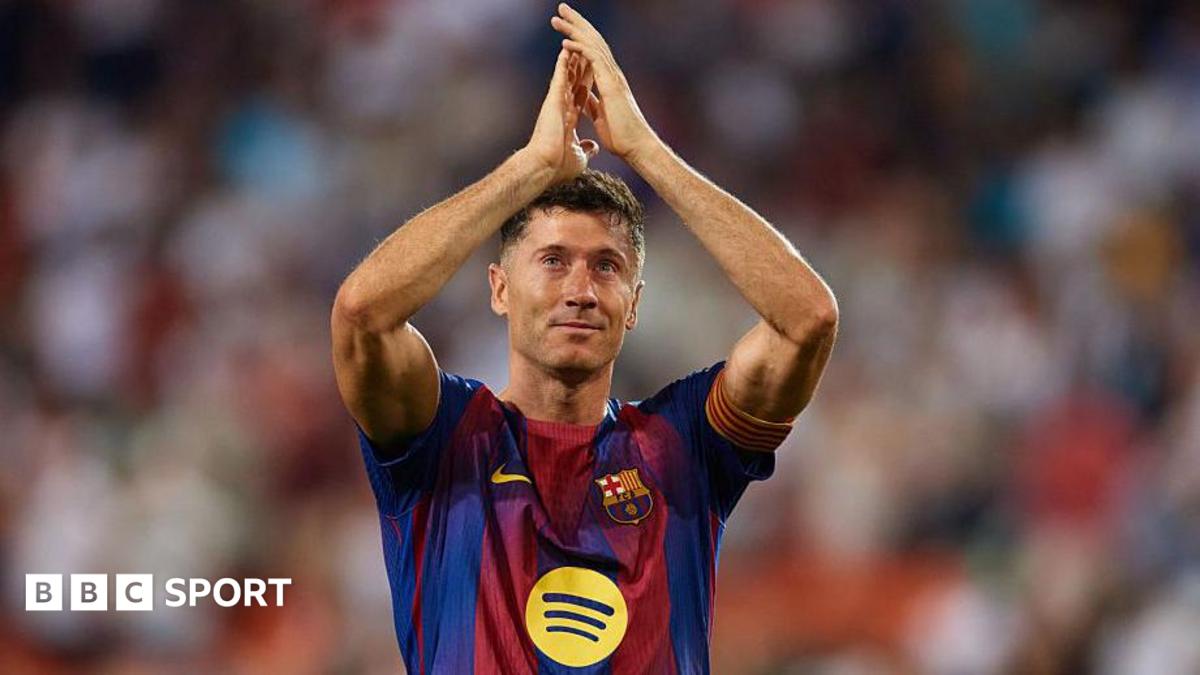
Chicago Fire are pulling off one of the most high-profile signings in their history. According to the latest report from the BBC, Robert Lewandowski is finalizing terms for a move to MLS. The Polish international is heading to Soldier Field following his departure from Barcelona.
This is a transaction designed to generate headlines. It sells tickets, shifts merchandise, and puts the franchise back in the national conversation. Yet, beneath the commercial noise lies a stark tactical reality that must be addressed.
The Fire are currently struggling in the Eastern Conference standings. Their issues are structural, deep-seated, and cannot be solved by simply dropping a legendary goalscorer into the lineup. In fact, his arrival might exacerbate their existing problems.
MLS is a league defined by transitional chaos and athletic center-backs. If the Chicago coaching staff expects a 37-year-old forward to solve their offensive stagnation single-handedly, they are making a massive mistake. We must examine how he actually fits into this team.
The Physical Limitations of a Declining Giant
Lewandowski remains an elite finisher, but his physical profile has changed dramatically. During his final season in Spain, his progressive runs dropped by 34% compared to his first year at Camp Nou. He no longer has the acceleration to run away from defenders in transition.
His defensive work rate has also declined significantly. His final-third pressures and defensive actions have plummeted to just 0.45 per 90 minutes. He is now a classic penalty-box camper who saves his energy for the final action.
This physical conservation is smart for an aging striker, but it requires a specific tactical setup around him. His teammates must carry the physical load of pressing and tracking back. Chicago's current roster is poorly equipped to handle that extra defensive burden.
When Barcelona succeeded with Lewandowski, they surrounded him with industrious wingers who did his running. They had players who could press high and win the ball back quickly. Chicago simply do not have that level of defensive cohesion in their front line.
If the Polish striker is left isolated against athletic MLS center-backs, he will be neutralized. Opposing defenders will squeeze the space, confident that he cannot run in behind them. The Fire must adapt their entire tactical approach to keep him active.
The Service Deficit in the Windy City
The biggest obstacle to Lewandowski's success is Chicago's inability to progress the ball. The Fire currently rank in the bottom quartile of MLS for passes completed into the opposition penalty area. Their buildup play is slow, tedious, and predictable.
Midfielders Kellyn Acosta and Gaston Gimenez prefer to recycle possession sideways rather than playing vertical passes. This slow circulation allows opposing defenses to set their blocks and deny space. A striker of Lewandowski's caliber relies on quick, incisive service to exploit defensive lapses.
Chicago's crossing metrics are equally concerning. The team has averaged a meager 18.7% cross completion rate this season. Most of their deliveries are floated aimlessly into the box from deep positions, which are easy for opposing center-backs to clear.
Lewandowski is a master of the blind-side run, darting behind the far-post center-back. To utilize this, the winger must deliver low, driven crosses from the half-spaces. If Chicago continue to launch hopeful balls from wide areas, they will waste his elite movement.
The lack of a true creative playmaker in the zone 14 area is glaring. Without someone who can slide passes between the lines, Lewandowski will be forced to drop deep. Having your premier goalscorer link play 40 yards from goal is a tactical disaster.
The Hugo Cuypers Dilemma
The signing of Lewandowski also creates a massive selection headache. Chicago spent a club-record transfer fee on Belgian forward Hugo Cuypers earlier in the cycle. Cuypers is a completely different profile of striker, defined by his relentless work rate.
The Belgian averages 2.8 tackles and interceptions per 90 minutes, leading the line with physical intensity. He presses center-backs, chases down lost causes, and creates space for others. Benching him after such a massive financial investment is a tough pill to swallow.
Attempting to play both strikers together in a twin-striker system would be a tactical catastrophe. A 4-4-2 formation would leave Chicago's midfield completely overrun in transition. It would also force one of them to defend in wide areas, which neither player is suited to do.
Therefore, one of these high-earning forwards must sit on the bench. This is a clear case of poor roster construction by the front office. They have prioritized a famous name over the actual tactical needs of the squad.
If Cuypers is benched, the team loses its primary defensive trigger up front. The midfield will be exposed to direct central attacks. The coaching staff must find a way to balance the team's defensive shape without Cuypers' running.
Tactical Adjustments for the New Era
To make this partnership work, Chicago must transition to a compact 4-2-3-1 shape. The wingers must play as inside forwards rather than traditional touchline huggers. Maren Haile-Selassie must occupy the right half-space to combine with the midfield.
The full-backs must be the ones providing the width in the attacking third. This requires them to push higher, leaving the double pivot to cover the defensive transitions. Acosta must remain disciplined, sitting deep to shield the center-backs during build-up.
Most importantly, the tempo of the passing must increase. The players must look for Lewandowski the moment he makes his forward movement. If they delay the pass, the offside trap will catch him, or the defender will recover.
The coaching staff must also design specific set-piece routines for him. Lewandowski remains one of the best aerial targets in the world when given service. Chicago must exploit this, as set-pieces are a weaknesses for many MLS defenses.
A Realistic Prediction for Soldier Field
We must be realistic about what Robert Lewandowski can achieve in this environment. He is a world-class talent, but football is a team sport that requires collective cohesion to succeed. He cannot fix a broken midfield or a leaky defensive line by himself.
He will certainly score goals because his instincts in the box are permanent. However, his lack of physical mobility and defensive output will cost Chicago in matches against high-pressing opponents. The Fire will continue to concede cheap goals on the counter-attack.
We predict Lewandowski will score 8 goals in his first 12 appearances for the club. Despite this respectable return, Chicago will fall short of the postseason. Expect them to miss the MLS Cup playoffs by three points as their structural flaws prove too much to overcome.
Read Next
- How the math of the 48-team World Cup broke the group stage
- Why Morocco's midfield could dismantle Ronald Koeman's Netherlands
- Why Morocco vs Netherlands is the ultimate tactical derby of World Cup 2026
- Why Xabi Alonso's tactical flexibility is the upgrade Chelsea need
- ⚽ La Liga 2025-26 — Title Race Hub