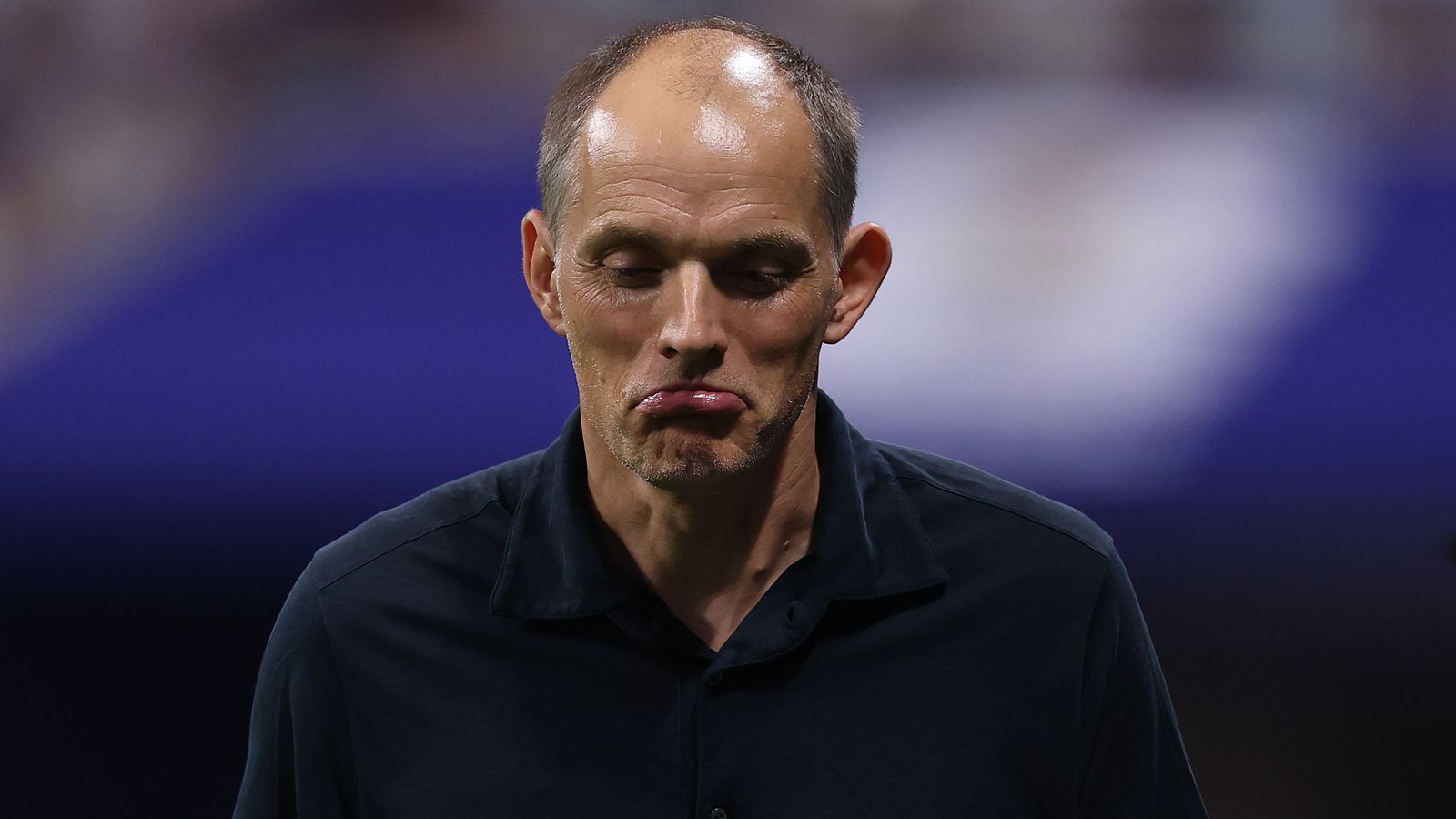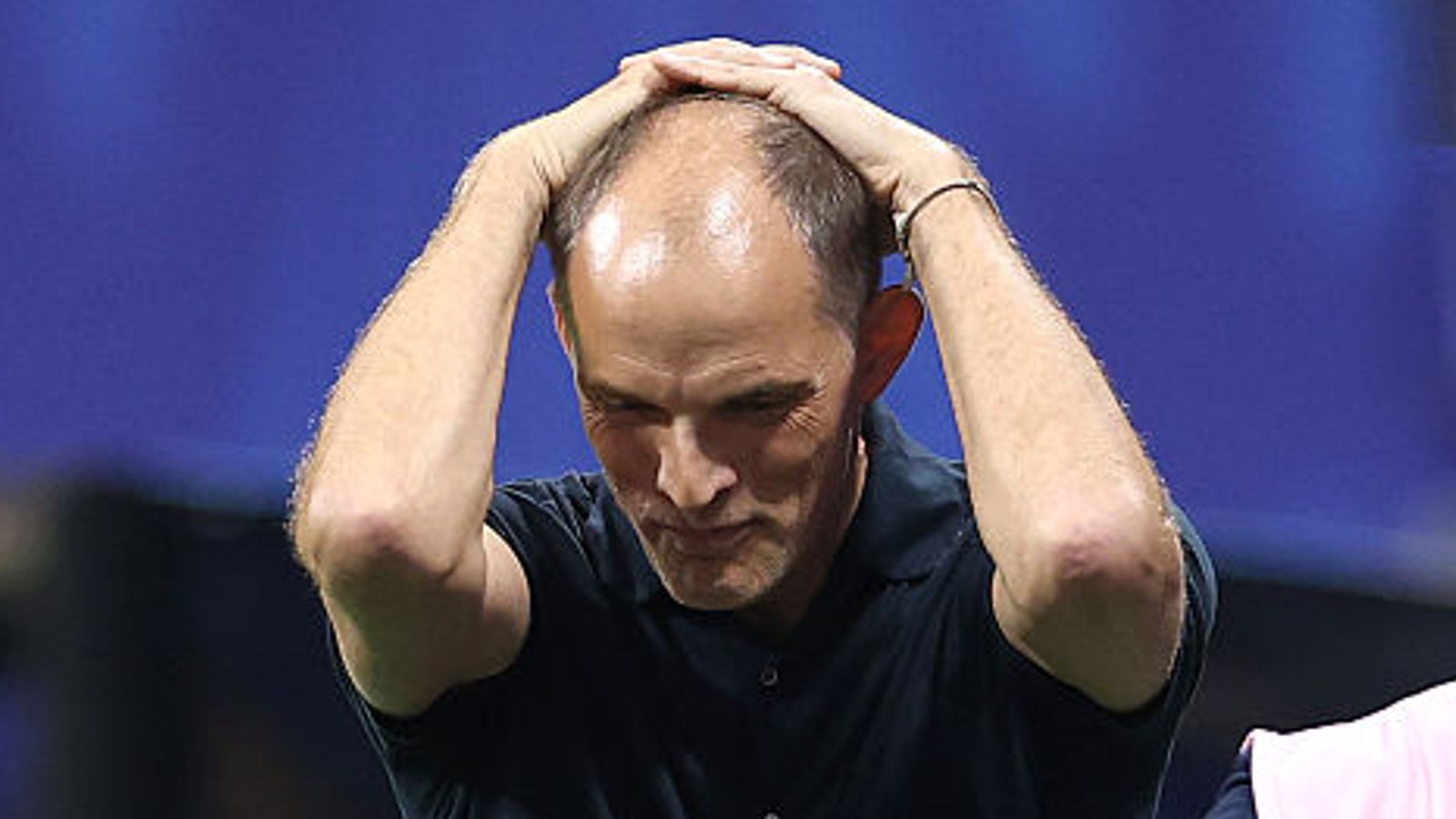
The Atlanta Anomaly
No team in the 96-year history of the World Cup had ever trailed by two goals after the 80th minute of a knockout match and progressed within the regulation 90 minutes. History, structural logic, and basic win-probability models all suggested Argentina were finished. At the Mercedes-Benz Stadium in Atlanta, Lionel Scaloni's side faced a statistical abyss.
With the clock ticking past the 80-minute mark, the defending champions were staring at a 2-0 deficit against a fiercely organized Egyptian block. What followed was a tactical and statistical anomaly that will be studied for decades. Argentina eventually emerged as 3-2 victors, securing their place in the quarter-finals of the 2026 World Cup.
Yet the final scoreline obscures a match defined by systemic failure, individual redemption, and deep structural controversy. Egypt's defensive blueprint was masterfully executed by coach Hossam Hassan.
Deconstructing the Egyptian Block
How Egypt Suffocated the Champions
In the first half, the Pharaohs maintained a compact 4-5-1 mid-block, keeping their lines incredibly tight. Egypt's defensive efficiency was illustrated by several key metrics:
- A defensive block vertical depth kept under 12 meters.
- Six interceptions completed by the midfield double pivot in the central zone.
- A tackle success rate of 71% in their defensive third.
This defensive compression completely starved Lionel Messi and Alexis Mac Allister of space in the half-spaces. Egypt's wingers, Mohamed Salah and Mostafa Ziko, acted as defensive containment shields rather than high-pressing forwards. Argentina dominated possession with 68% of the ball in the opening 45 minutes, but it was sterile. They managed just two shots on target, accumulating a meager 0.34 expected goals (xG). Egypt, meanwhile, were lethal on the transition, exploiting Argentina's advanced full-backs.
The Counter-Attacking Threat
Mohamed Salah's positioning was the primary outlet. Egypt's opening goal was a masterclass in vertical progression, requiring only 11 passes and lasting just 14 seconds from recovery to completion. When Egypt doubled their lead, the statistical models gave Argentina a minuscule 3.2% chance of winning the match. The panic in the Argentine ranks was clear, culminating in a penalty awarded to Scaloni's side after a rare defensive lapse from Egypt.
The Penalty Drama and Historical Underperformance
The penalty should have been Argentina's ticket back into the match. Instead, Lionel Messi stepped up and saw his spot-kick saved. It was Messi's third penalty miss in World Cup history, a statistic that highlights his surprising vulnerability from 12 yards under extreme pressure.
In his career, Messi has taken 145 penalties (excluding shootouts) and missed 26. In major international tournaments for Argentina, however, his miss rate rises from 17.9% to 27.2%. Egypt's goalkeeper guessed correctly, diving to his left to parry the shot and send the Egyptian contingent in Atlanta into raptures.
The Turning Point: VAR and Scaloni's Tactical Gamble
The psychological blow of the penalty miss seemed terminal. When Egypt scored what appeared to be their second goal in the 67th minute, the match looked over. However, a three-minute VAR review ruled the goal out for a marginal offside in the buildup.
This let-off, detailed in the live coverage by Sky Sports, did not immediately fix Argentina's structural problems. Egypt eventually did score a valid second goal in the 76th minute, leaving Argentina trailing 2-0. Scaloni was forced to act, making a double substitution that shifted Argentina from their starting 4-3-3 to a high-risk 3-1-4-2, withdrawing Nahuel Molina for Julian Alvarez.
The tactical shift allowed Enzo Fernandez to push higher into the final third. In the first 70 minutes, Fernandez had completed 42 passes, but only 5 had entered the penalty area. In the final 20 minutes, he completed 18 passes, with 9 of them finding targets inside the box.
Argentina's pressing triggers also adjusted. They began executing a high press immediately upon losing possession, forcing Egypt into a low pass completion rate of just 48% in their own half during the final phase of the game. The pressure eventually broke the Egyptian resistance.
The Late Surge and the Equalizer
Argentina pulled one back in the 81st minute, setting up a grandstand finish. Then, in the 84th minute, Lionel Messi redeemed his penalty miss. Receiving a sharp pass from the right flank, Messi executed a quick turn and fired a low shot into the bottom corner to make it 2-2.
The equalizer, which you can watch via the match highlights on the BBC, was a demonstration of his persistent threat even when starved of space. The comeback was completed in controversial circumstances.
Buildup Controversy and Post-Match Fallout
Enzo Fernandez scored the winning goal to make it 3-2, but the buildup was immediately contested. Former England striker Ian Wright argued on Mirror Football that the goal should have been disallowed for a foul in the buildup phase, where an Argentine midfielder appeared to obstruct an Egyptian defender.
The statistics show a clear discrepancy in how the game was officiated in the final minutes. Egypt committed 14 fouls compared to Argentina's 8, but 6 of Egypt's fouls were called in the final 15 minutes as they struggled to cope with Argentina's high press.
The referee's reluctance to blow for the contact preceding Fernandez's winner left the Egyptian players furious. Once their defenders were on yellow cards, their tackle success rate dropped from 71% to 44%, allowing Argentina's dribblers to bypass challenges with ease.
The fallout was immediate and explosive. Egypt superstar Mostafa Ziko questioned FIFA's integrity, alleging that the tournament was rigged to ensure Lionel Messi and Argentina progressed. While Ziko's claims are fueled by the raw emotion of a heartbreaking exit, the statistical reality is that Argentina benefited from a series of tight decisions.
In addition to the disallowed second Egyptian goal and the controversial winner, Argentina were awarded 5 corner kicks in the final ten minutes, putting immense physical pressure on an exhausted Egyptian defense. Argentina's physical dominance in the air during the final fifteen minutes was a key factor in their survival.
They won 78% of their aerial duels in the second half, compared to just 42% in the first half. This aerial supremacy allowed them to sustain attacks and prevent Egypt from clearing their lines.
Conclusion: The Fragile Foundations of a Title Defense
Despite the victory, Scaloni has massive structural issues to address before the quarter-finals. The defensive transition remains highly vulnerable, as Egypt exposed repeatedly. If a team with Egypt's profile can create three clear-cut opportunities from counter-attacks, a more clinical opponent will punish them.
Argentina survived in Atlanta, but their World Cup defense is built on incredibly fragile foundations. Their next opponent will not be so forgiving.
Read Next
- Argentina just pulled off the heist of the century against Egypt
- Enzo Fernandez saves Argentina from a tactical disaster in Atlanta
- Argentina just pulled off the heist of the century against Egypt
- Argentina are about to face a tactical nightmare in Atlanta
- 🏆 World Cup 2026 — Full Coverage Hub
- 🇦🇷 Argentina World Cup 2026 — Defending Champions Hub
- 🇪🇬 Egypt World Cup 2026 — Salah's Last Dance