The Atlanta Abyss and the Swiss Wall
No team in the 96-year history of the World Cup had ever trailed by two goals after the 80th minute of a knockout match and progressed within the regulation 90 minutes. Yet, at the Mercedes-Benz Stadium in Atlanta on July 7, Lionel Scaloni's Argentina defied that historical logic. Trailing Egypt 2-0 after Mostafa Zico's 67th-minute strike, the champions looked tactically bankrupt before Cristian Romero's header in the 79th minute initiated a frantic 3-2 recovery.
Lionel Messi equalized in the 84th minute, and Enzo Fernandez secured the winning goal in the second minute of stoppage time. This frantic rally occurred just minutes after Messi had missed a first-half penalty, which was saved by Egypt's goalkeeper Mostafa Shobeir. The turnaround saved Argentina from what would have been the most shocking exit in their history.
Messi's equalizer was his eighth goal of the tournament, taking his career World Cup tally to 21 goals. He also set a record with his 31 appearances in World Cup history, surpassing all previous marks. Yet, the statistics show a deeper problem for Scaloni.
Behind the emotional surge lies a defensive structure in decay. Argentina allowed Egypt to register two goals from just three shots on target, exposing a midfield that failed to track runners from deep. Scaloni's team has conceded six goals in four games, a sharp decline from the defensive stability that anchored their 2022 campaign.
Their next opponents, Switzerland, present a tactical contrast. On the same night at BC Place in Vancouver, Murat Yakin's side ground out a 0-0 draw against Colombia, progressing 4-3 on penalties. It was a match of low risk and heavy defensive density.
The match registered a combined Expected Goals (xG) value of just 0.7, the lowest combined total of the tournament. Switzerland offered no attacking threat, but their defensive blocks limited Colombia to speculative shots from distance. The Swiss game plan was simple: suffocate space and wait for the shootout.
Gregor Kobel saved Switzerland from defeat, stopping Cucho Hernandez's penalty before Ruben Vargas converted the winner. The Swiss defensive shape remained compact, suffocating Colombia's progressive passes. They completed 34 defensive actions inside their own penalty area, a tournament record for a single knockout match.
In the group stage, Switzerland allowed only 1.1 xG per 90 minutes, a figure they reduced to 0.3 against Colombia. Argentina will dominate possession in Kansas City on Sunday, but their slow defensive transition will invite danger if Switzerland can exploit the space behind Nahuel Molina. Argentina's defense must improve or risk being caught on the counter.
Argentina averaged 64 percent possession during their run to the quarter-finals, the second-highest in the tournament behind Spain. Switzerland, by contrast, averaged 41 percent, preferring to defend in a medium block before dropping into a back five. This mismatch will define the tactical boundary of the game.
If Argentina cannot break down the Swiss block early, their lack of defensive pace will be tested by Swiss counter-attacks. The match will be decided by whether Messi can find space in a crowded Swiss midfield.
Haaland's Economy vs. England's Red Card Chaos
In Miami on Saturday, Norway will face England in their first-ever World Cup quarter-final. Norway's path was secured on July 5 with a 2-1 victory over Brazil. Stale Solbakken's side defended with a low block that frustrated the South Americans for long periods.
Erling Haaland scored both goals, striking in the 79th and 90th minutes to overturn a Brazil team that dominated possession. Haaland's performance was a masterclass in economic efficiency, scoring twice from just 14 touches of the ball. His conversion rate in the tournament now stands at a remarkable 43 percent.
Norway's defensive discipline under Solbakken has been remarkable. They limited Brazil to a single late penalty, converted by Neymar in stoppage time. Norway completed just 182 passes compared to Brazil's 542, but their defensive shape remained unbroken.
Their defensive line sat 15 meters deeper than England's, denying space to Brazil's wingers and forcing play into crowded central areas. This low-block strategy has allowed Norway to overperform their defensive xG by 2.4 goals. They will apply the same tactics against England's attacking talent.
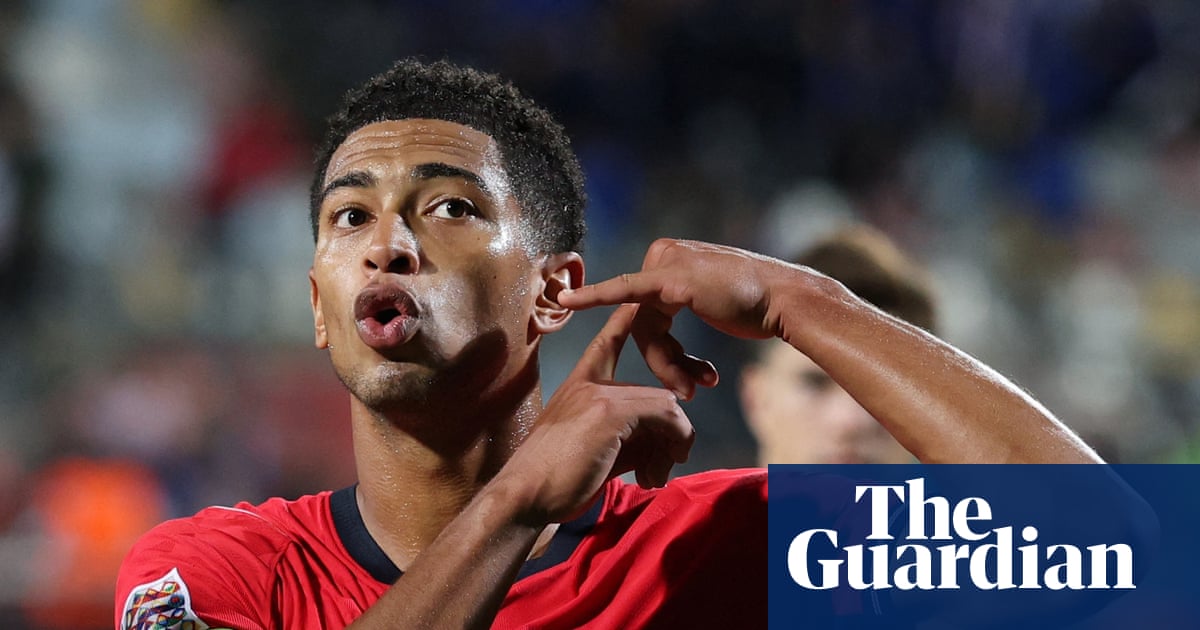
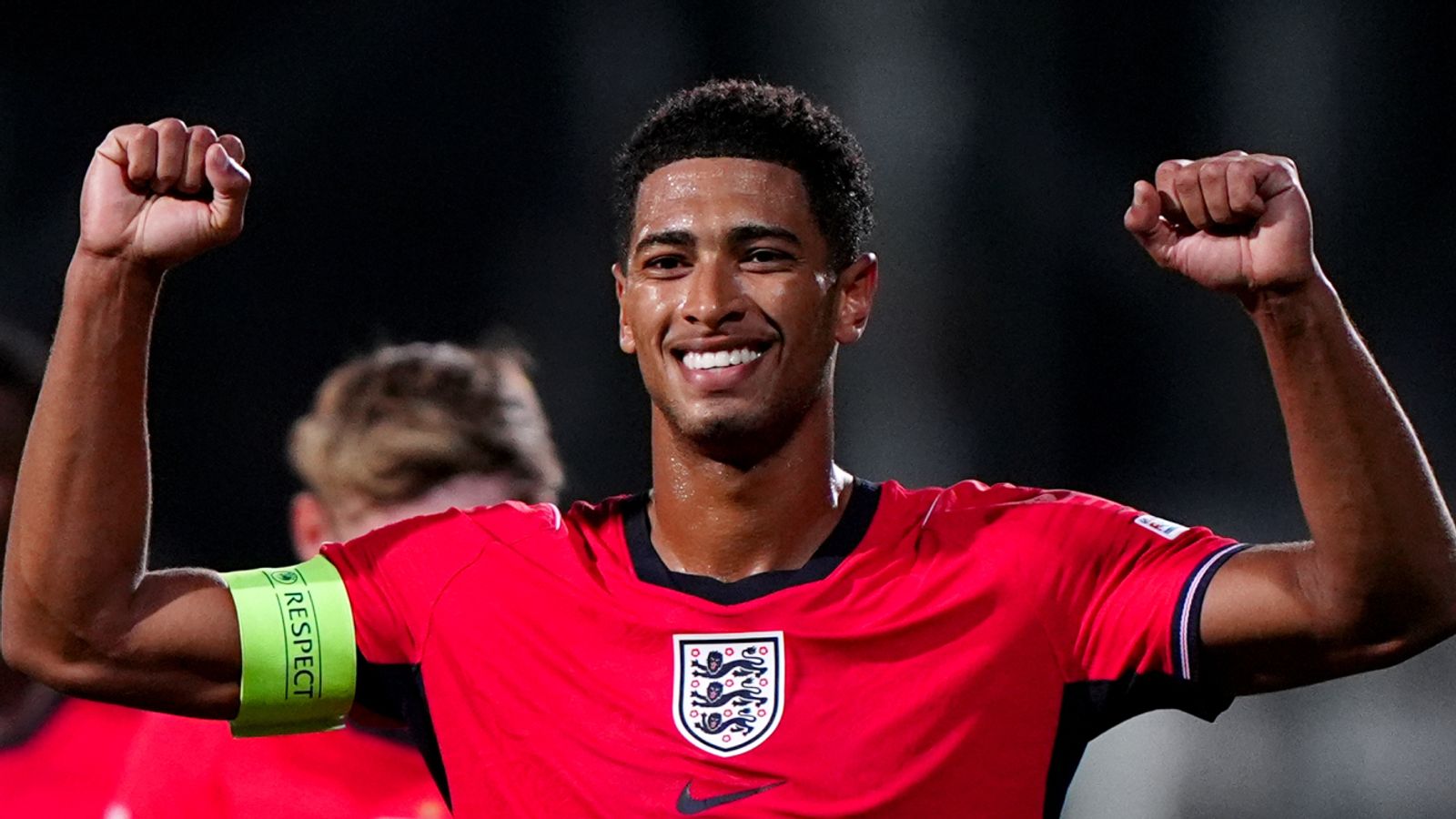
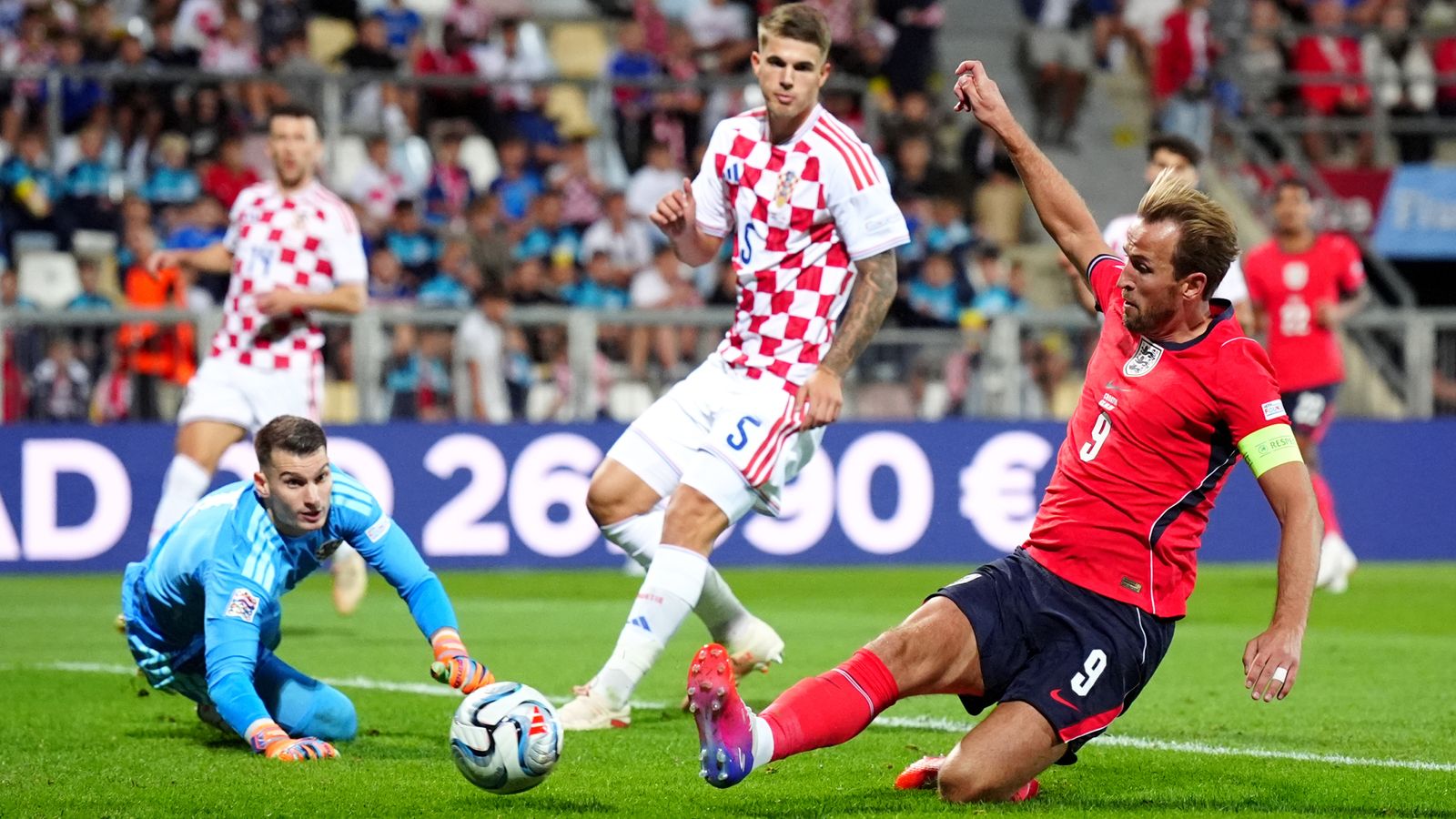
England reached the quarter-finals through a chaotic 3-2 victory over Mexico at the Estadio Azteca. Jude Bellingham scored twice, and Harry Kane converted a penalty to build a comfortable lead. But England's defensive vulnerability was exposed in the second half.
A red card for Jarell Quansah in the second half forced England to play the final 30 minutes with ten men. Mexico capitalised, scoring through Julian Quinones and Raul Jimenez to expose England's defensive vulnerability. Only some desperate defending in the final minutes secured the win.
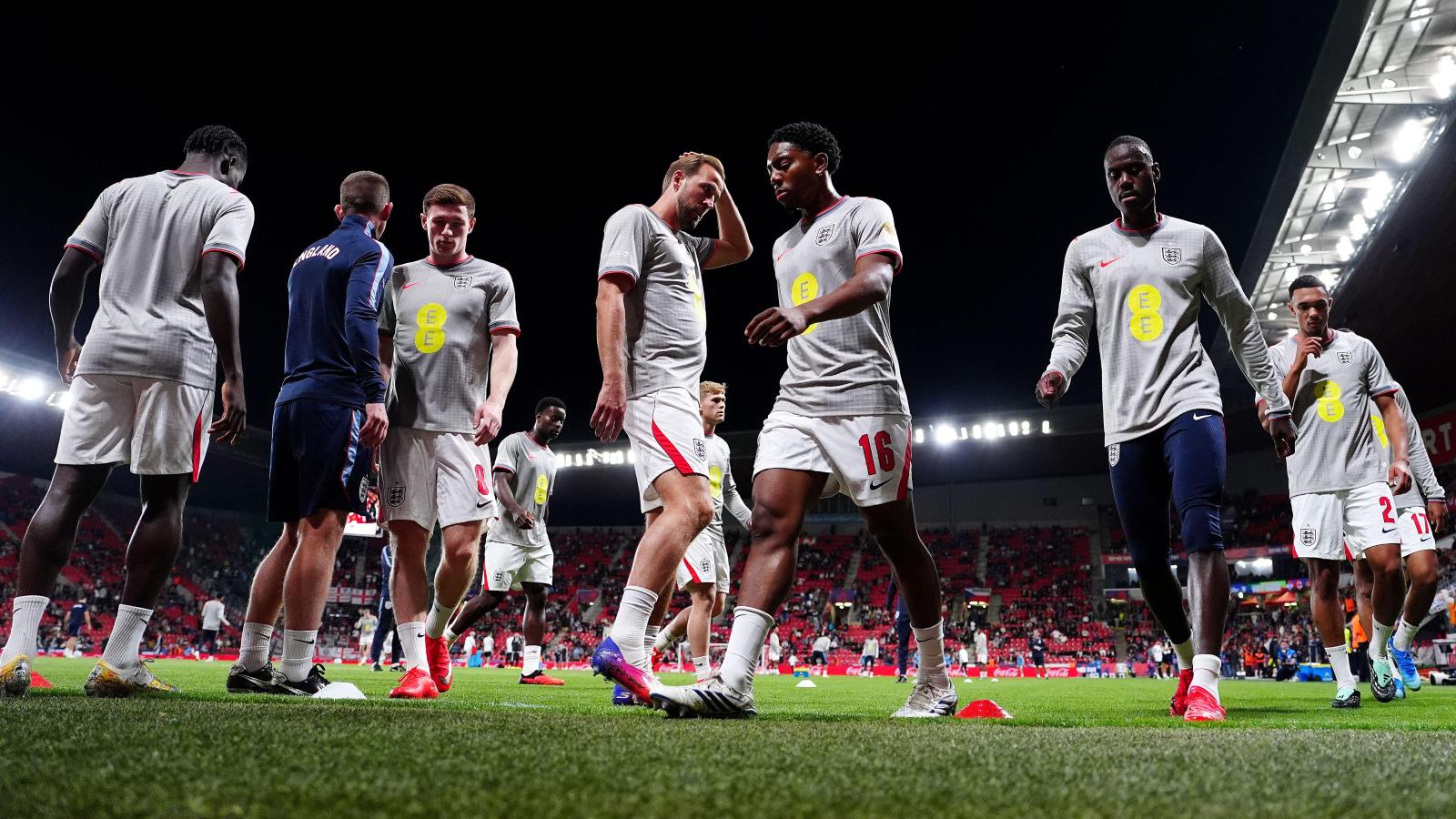
England's defensive record is now a concern for manager Gareth Southgate. They have conceded five goals in their last three matches, often struggling to defend transitions when their high press is bypassed. The absence of Quansah will force Southgate to reshuffle his central defense.
Without Quansah, Southgate must rebuild his central defense to face Haaland, who has scored six goals in this tournament. Norway will gladly cede possession, planning to exploit the space behind England's advancing full-backs. England's backline will face their toughest test yet.
England's high press recovered possession 18 times in the attacking third against Mexico, but it also left their center-backs isolated. When Mexico bypassed the initial press, they faced a backline lacking recovery speed. Southgate must address this structural flaw before Saturday.
Haaland's movement between the lines will exploit this gap if England's midfielders fail to protect the space. Norway's pass completion rate of 72 percent reflects their direct style, designed to find Haaland as quickly as possible. England must balance their attacking instincts with defensive caution.
The Midfield Control Game in the West
The remaining quarter-finals offer two different tactical puzzles. In Los Angeles, Spain face Belgium, while France play Morocco in Foxborough. The Sky Sports World Cup bracket confirms a potential semi-final clash between the winners of these two ties.
Spain reached the last eight by defeating Portugal 1-0, thanks to a 91st-minute winner from Mikel Merino. The match was a demonstration of possession as a defensive tool, with Spain completing 712 passes to starve Portugal of service. They restricted Portugal to just one shot on target over the entire 90 minutes.
Spain's possession-heavy style under Luis de la Fuente has been highly effective, but it lacks verticality. Only 4 percent of their passes penetrated the final third against Portugal. This slow build-up could play into Belgium's hands on Friday.
Belgium progressed by defeating the United States 4-1 in Seattle. Charles De Ketelaere scored twice in the first half, while Hans Vanaken and Romelu Lukaku added goals in the second period. Belgium's attacking efficiency was devastating, scoring four goals from six shots on target.
Domenico Tedesco's side has averaged 2.1 goals per game, showing a tactical flexibility that Spain will struggle to contain. Their counter-attacks are fast and direct, utilizing Lukaku's physical presence to hold up play. Spain's high defensive line will be vulnerable to Belgium's quick transitions.
France reached the quarter-finals with a functional 1-0 victory over Paraguay. Didier Deschamps' team has scored only four goals in the tournament, relying on defensive structure rather than attacking flair. They have kept three clean sheets in four matches, showing their defensive resilience.
They face a Morocco side that defeated Canada 3-0 in the Round of 16. Morocco's defensive organization allowed only two shots on target across their three group matches, making them one of the hardest teams to break down. Morocco's direct counter-attacking style will test France's defensive discipline.
This tactical division between high-possession control and clinical counter-attacking will decide the semi-finalists. Spain and France represent the establishment of control, while Belgium and Morocco offer direct, efficient transitions. In a tournament of fine margins, the team that best manages the defensive transition will progress.
Read Next
- Argentina survived Egypt in Atlanta, but their defense looks broken
- Why Erling Haaland will expose England's defensive crisis in the last eight
- Enzo Fernandez saves Argentina from a tactical disaster in Atlanta
- Colombia and Switzerland fight for the right to face Messi's Argentina
- 🏆 World Cup 2026 — Full Coverage Hub
- ⚡ UCL Quarter-Finals 2026 — Full Coverage Hub