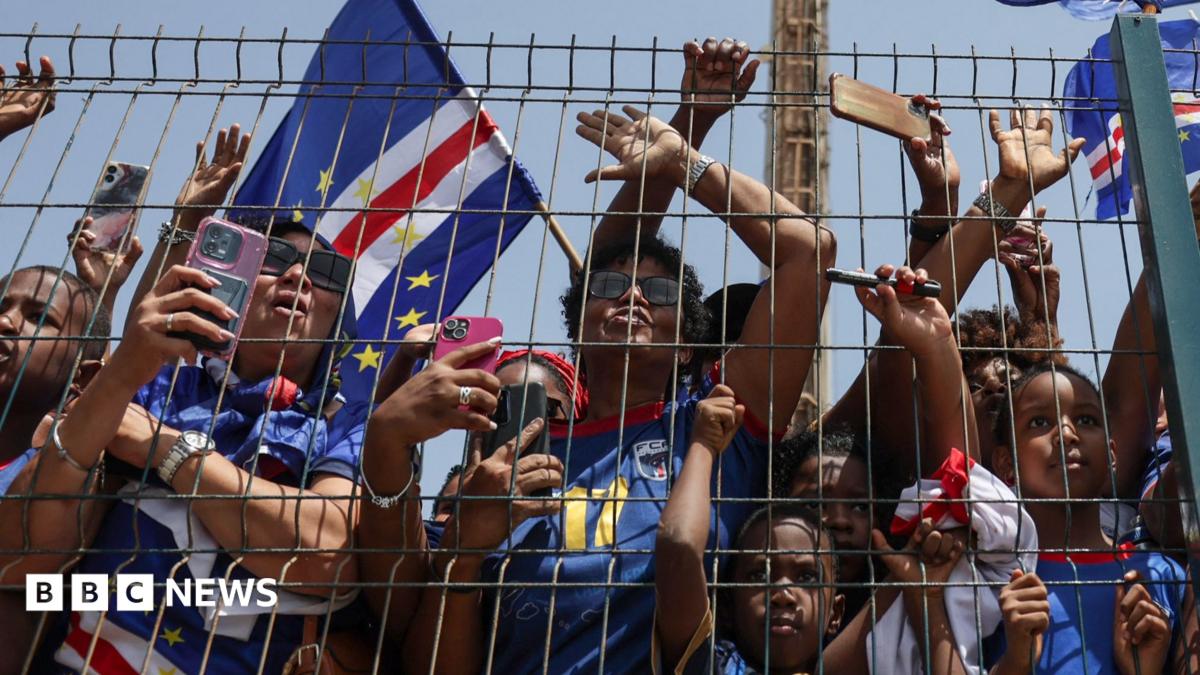
Tactical discipline defines Cape Verde's run
International tournaments often rely on narratives of star power, but Cape Verde has stripped the veneer away to expose pure defensive utility. Their 0-0 draw against Spain wasn't just a matter of luck; it was a masterclass in low-block compression. João 'Vozinha' Dias turned in a performance for the ages, anchored by a save percentage that forced Spain to cycle through 78 percent possession without finding a breakthrough.
Vozinha’s personal story — he noted his mother initially couldn't afford the trip to the US due to the high barrier of visa costs, as reported by the Mirror — adds a human weight to the result, but the tactical execution remains the primary reason they remain in the conversation. They operate in a compact 4-5-1 that forces opponents to retreat to the half-spaces, effectively choking off the supply lines to central strikers.
The technical ceiling of the Blue Sharks
Critics will argue that holding a clean sheet against a dominant side is an anomaly built on unsustainable xG underperformance. Yet, looking at the shot map from the Spanish match, the preponderance of attempts came from outside the 18-yard box. Cape Verde’s defensive structure forced the opposition to take low-probability shots rather than penetrating the interior.
However, the side faces a stark reality: their transition game is nonexistent. With a pass completion rate hovering near 62 percent over the last two fixtures, they lack the creative impetus to hold the ball for sustained periods. This renders them a perennial candidate for penalties, as they struggle to put games to bed in regulation time. Their over-reliance on individual brilliance from Vozinha is a structural flaw that will eventualy collapse.
Predicting the path forward
Cape Verde enters the next stage with the psychological advantage of having nothing to lose. The pressure remains entirely on the favorites to break a wall that has proven impenetrable, but the lack of an offensive outlet will be their undoing. They have mastered the art of not-losing, but they have yet to prove they know how to win against a side that refuses to panic.
Expect their next match to end in a stalemate that trends toward a shootout. Once an opponent identifies the specific trigger points in the defensive mid-transition—specifically the gap between their holding midfielder and the center-back pair—the clean sheets will dry up. My assessment is that they walk away with a draw in regulation and suffer an early exit in the subsequent penalty phase.