The Shadow of Salvador and the Seattle Cauldron
Lumen Field will host the most significant soccer match on American soil in a generation on Monday night. The USMNT faces Belgium in the Round of 16, a fixture loaded with historical trauma.
Twelve years ago in Salvador, Belgium fired 38 shots at Tim Howard, eventually grinding out a 2-1 victory in extra time.
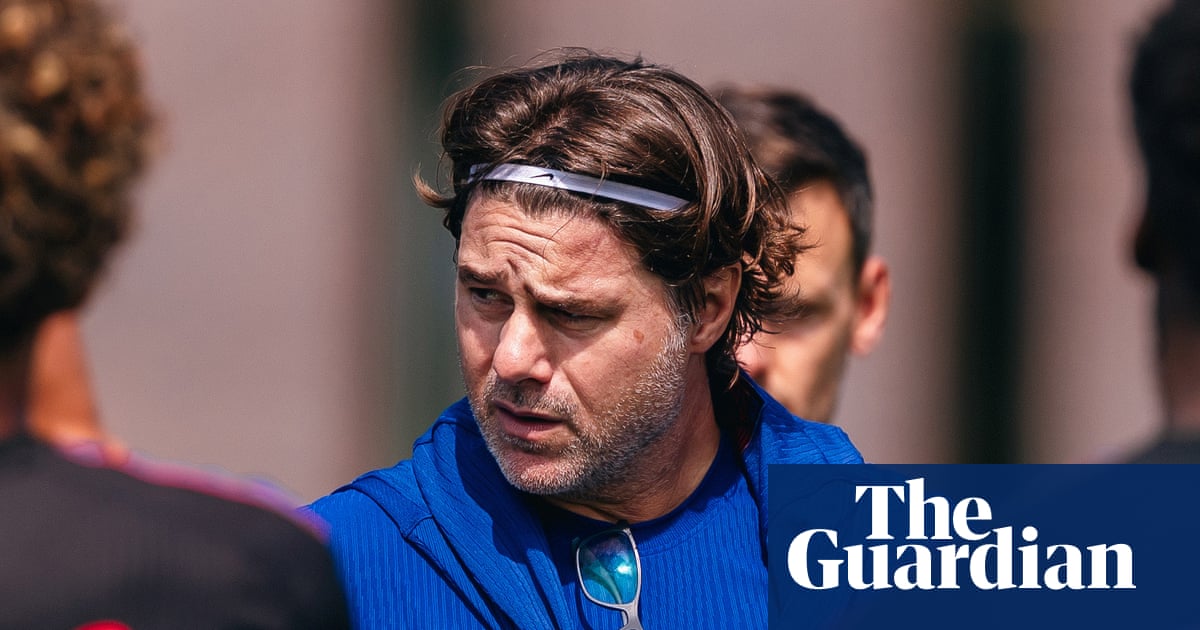
This time, the circumstances are different. The Americans enter the match under Mauricio Pochettino, a manager who has instilled a rigid defensive structure.
Yet, the pressure is heavier. The chance to reach the quarterfinals for the first time since 2002 lies directly in front of this young squad.
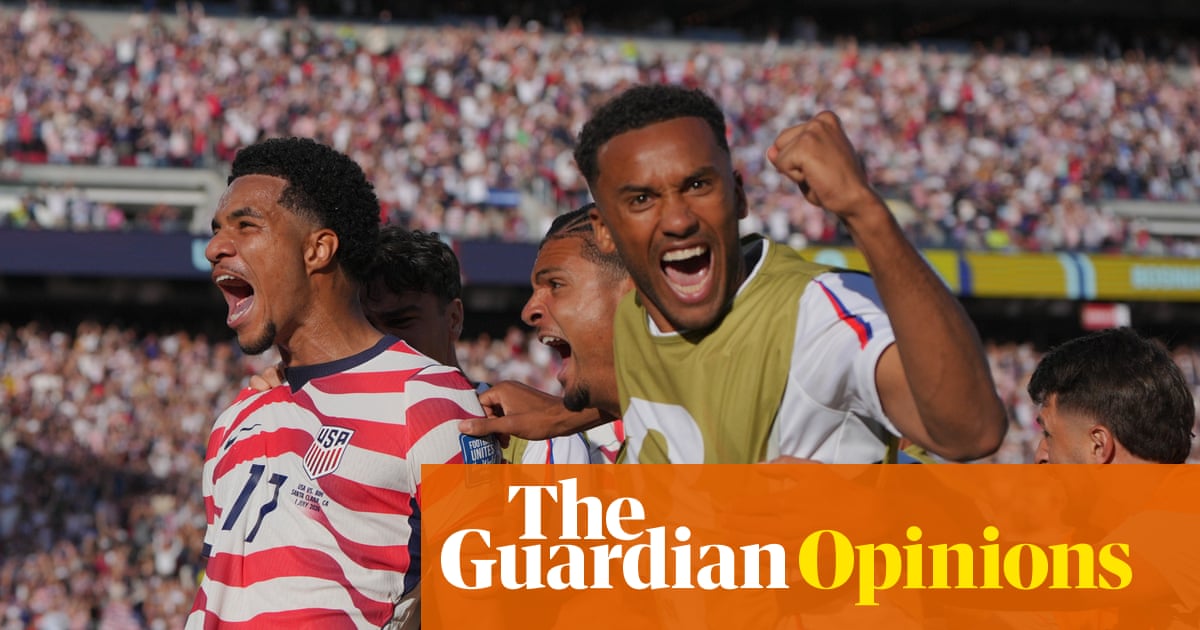
For many fans, the tournament has triggered mixed feelings. As Alexander Abnos wrote in The Guardian, political reservations have made some Americans hesitant to embrace the national team.
But the team's tactical development on the pitch is making neutrality impossible. This squad is playing with a modern, high-tempo style that demands attention.
The U.S. team has shown real resilience. While there is reluctance to cheer for the US among some demographics, the footballing story itself is compelling.
The Balogun Void and Pepi's Spatial Dilemma
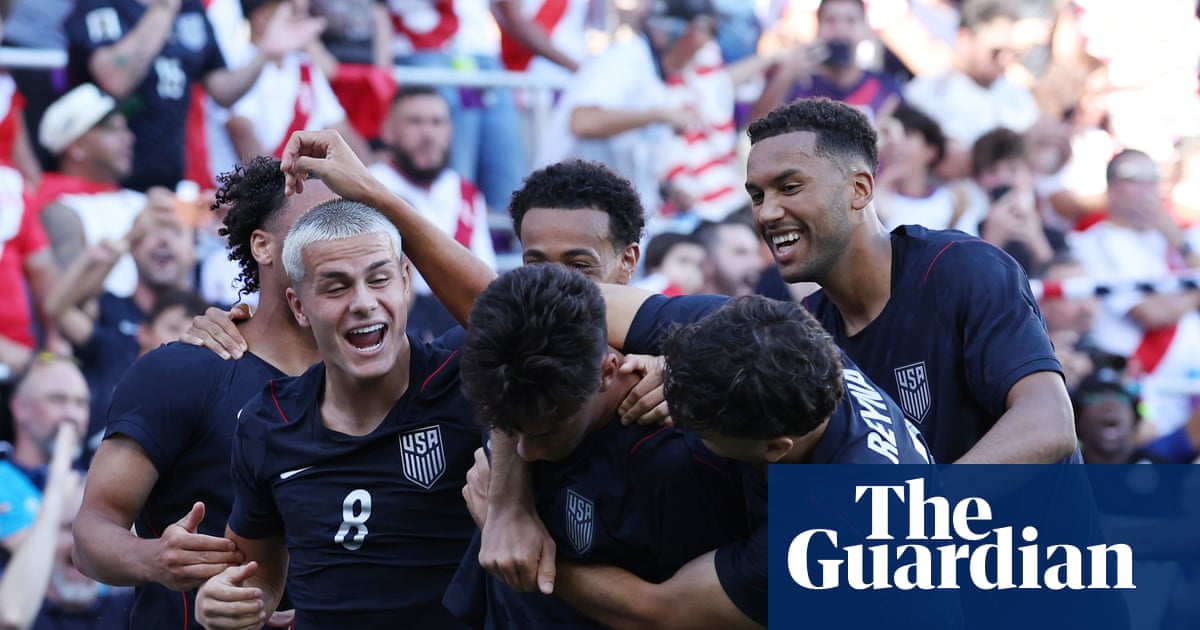
Pochettino's tactical blueprint is built on controlled possession and quick verticality. In their group opener, the U.S. dismantled Paraguay 4-1 with an impressive display of counter-pressing.
Folarin Balogun scored twice in that match, showcasing his ability to run behind the defensive line. However, the subsequent Round of 32 clash against Bosnia and Herzegovina exposed the fragility of this system.
Against Bosnia, the U.S. managed just 48% possession, completing 362 passes compared to Bosnia's 381. The U.S. midfield double pivot of Tyler Adams and Weston McKennie looked disconnected.
This disconnection became glaringly obvious in the second half when the distance between the lines widened. While Malik Tillman's 82nd-minute free kick sealed the 2-0 win, the overall performance was far from convincing.
The biggest blow from the Bosnia match was not the performance, but the loss of Balogun.
The striker opened the scoring in the 45th minute with a sharp finish. However, a reckless challenge in the 64th minute earned him a straight red card.
This suspension is a self-inflicted wound that forces Pochettino to alter his entire attacking structure. Ricardo Pepi is slated to start in Balogun's place. Pepi is a different profile of forward.
While Balogun runs the channels and stretches defenders, Pepi is a more traditional penalty-box operator. His movement is linear, and he rarely drifts wide to combine with Christian Pulisic.
This change in profile will disrupt the chemistry of the U.S. attack. Without Balogun's lateral runs, the Belgian centre-backs can remain compact.
Wout Faes and Zeno Debast will not be dragged out of position. This makes Pulisic's inside runs from the left wing much easier to track.
Pulisic completed 76% of his passes in the final third against Bosnia, but he will find far less space against Belgium.
Belgium's Structural Vulnerabilities
Belgium arrives in the Round of 16 after a chaotic 3-2 extra-time win over Senegal. Domenico Tedesco's side had 58% possession but conceded 14 shots.
The Belgian defense showed significant vulnerability to direct long balls and quick transitions. If the U.S. can exploit these weaknesses, they have a genuine chance.
However, the U.S. defensive line faces a monumental challenge. Tim Ream is 38 years old.
While his positional reading remains exceptional, his lack of recovery pace is a massive liability. Romelu Lukaku will target Ream in physical duels, using his strength to shield the ball and release runners.
Chris Richards must act as the primary stopper. He must engage Lukaku early, preventing the striker from turning.
If Richards is bypassed, Ream does not have the speed to cover the space behind him. Goalkeeper Matt Freese will need to play as an aggressive sweeper-keeper.
Pochettino's decision to start Freese over Matt Turner against Bosnia was a major gamble. While Freese kept a clean sheet, he was untested in terms of cross collection.
Belgium will flood the box with bodies. Kevin De Bruyne's crossing from the right half-space is the most dangerous weapon in world football.
De Bruyne's service is metronomically precise. In the group stage, De Bruyne completed 18 crosses into the penalty box.
If Adams and McKennie do not pressure De Bruyne, the U.S. defense will be systematically dismantled. The double pivot cannot afford to sit deep and watch.
Battle Zones and Tactical Adjustments
The tactical battle on the flanks will decide the match. Sergiño Dest's defensive positioning is notoriously suspect.
He frequently gets caught too high up the pitch, leaving Richards exposed. Belgium will look to isolate Dest against Jeremy Doku, who can beat anyone in a 1-on-1 duel.
To counter this, Pochettino might shift to a back three in possession. Robinson would push high on the left, while Dest tucks inside to form a temporary back three.
This structure provides better defensive coverage against counter-attacks. However, it requires flawless coordination between McKennie and the backline.
Let's look at the shot maps from the Bosnia game. The U.S. had an xG of 1.12 from just 9 shots.
Bosnia, despite taking 11 shots, recorded an xG of 0.89. The U.S. was highly efficient, scoring twice from their only two shots on target.
Such efficiency is rarely sustainable in tournament football. Belgium will not allow the U.S. to score from two low-probability chances.
Pepi must improve his off-the-ball work rate. He needs to press the Belgian centre-backs to disrupt their build-up.
In the Eredivisie, Pepi's pressure success rate is 34%, which is solid but needs to be higher on Monday.
Pulisic will also need to track back more than usual. If Doku and Castagne overload the right flank, Pulisic must support Robinson.
This defensive work will inevitably drain Pulisic's energy for counter-attacks. The U.S. captain faces an exhausting 90 minutes.
A key tactical trigger for Belgium is De Bruyne's movement. When De Bruyne drops deep to collect the ball, it triggers Lukaku to run in behind.
The U.S. midfield must press De Bruyne immediately upon his drop. Adams is the only U.S. player with the defensive bite to disrupt this sequence.
In the 2014 meeting, the U.S. was completely overrun in midfield. Michael Bradley and Jermaine Jones were pulled apart by Eden Hazard and De Bruyne.
Pochettino's primary goal must be structural compactness. The U.S. cannot afford to let the game become transitional and open.
If the match becomes a track meet, Belgium wins. Their individual quality in transition is far superior.
Doku’s dribbling success rate of 62% in this tournament is a warning sign. The U.S. must commit tactical fouls in the middle third to break Belgium's rhythm.
The Psychological Weight and Set Piece Salvation
Let's not forget the psychological weight of this fixture. The 2-1 defeat in 2014 still hurts American fans who remember Howard's 16 saves.
It was a heroic failure, but a failure nonetheless. Pochettino was hired to turn heroic failures into tactical victories.
To do that, he must show tactical flexibility. If Pepi is isolated after 60 minutes, Pochettino must be willing to shift Pulisic central.
Using Pulisic as a false nine would allow McKennie to run from deep into the box. It is a risky adjustment, but one that might be necessary without Balogun.
The U.S. will also rely on set pieces. Malik Tillman's 82nd-minute strike showed the threat they possess.
With Ream and Richards attacking the back post, the U.S. can exploit Belgium's zonal marking. Belgium conceded two goals from corners against Senegal.
This match will be decided by a narrow margin. The loss of Balogun shifts the tactical balance in Belgium's favor.
Pepi is a talented finisher, but he cannot replicate Balogun's work rate off the ball or his channel-running threat. This limitation will make the U.S. attack predictable.
Belgium's defense is beatable, but their midfield dominance will prove decisive. De Bruyne will find Lukaku in the 72nd minute to break the U.S. block.
A late U.S. push will leave them vulnerable to a Doku counter-attack.
Prediction: Belgium wins 2-1 in normal time, repeating the scoreline from 2014.
Read Next
- Why Pochettino's USA will shock Italy in Philadelphia
- Why Pochettino's USA will stun Belgium in Seattle
- Why the expanded World Cup has exposed the tactical laziness of the elite
- Why Sofyan Amrabat is proving Jason Wilcox wrong at the World Cup
- 🏆 World Cup 2026 — Full Coverage Hub
- 🇺🇸 USMNT World Cup 2026 — Team USA Coverage Hub
- 🇧🇪 Belgium World Cup 2026 — Red Devils Hub
- ⚽ MLS 2026 Season Hub — World Cup Year Guide