FIFA's backdoor politics disrupt the last sixteen
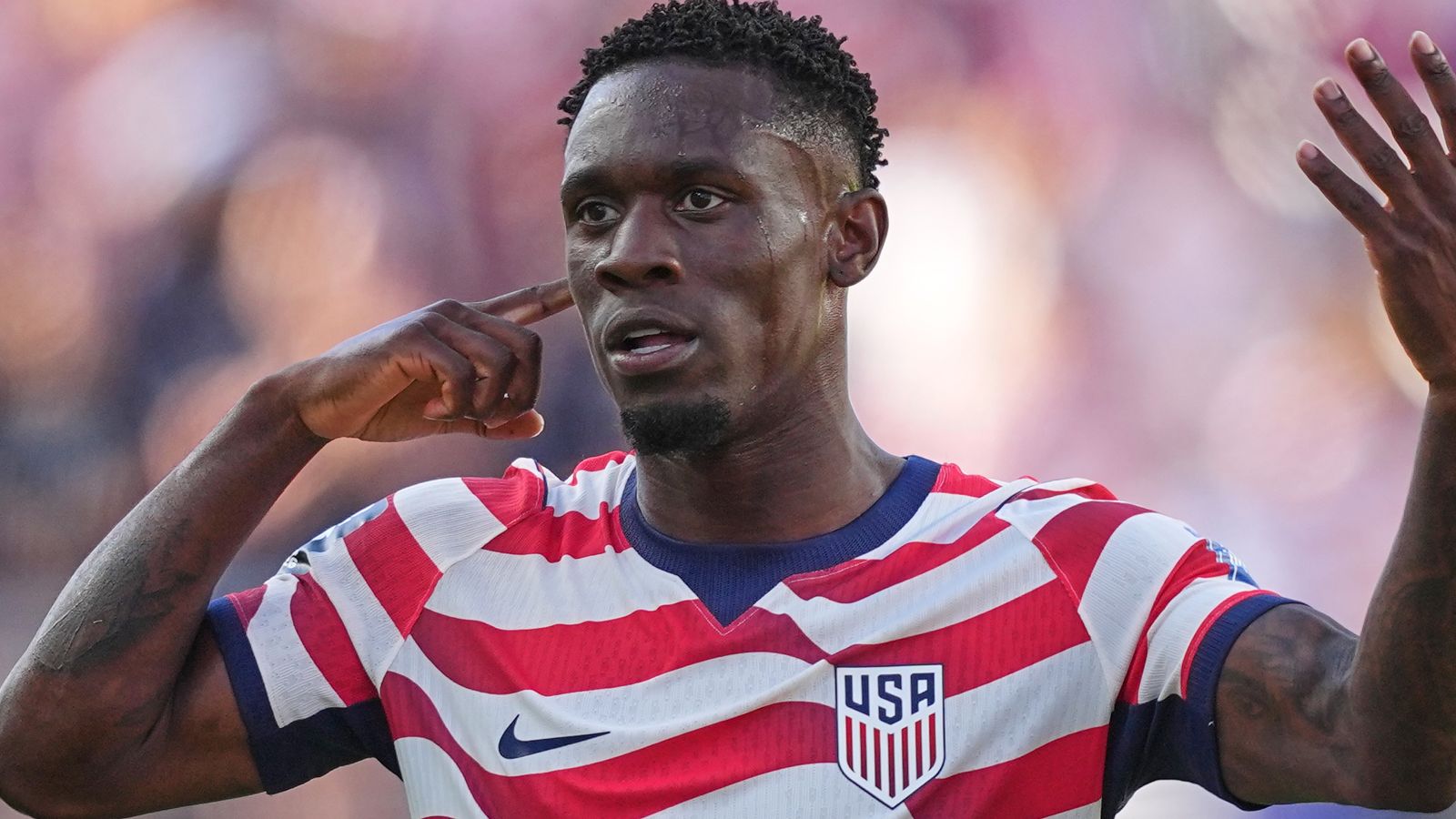
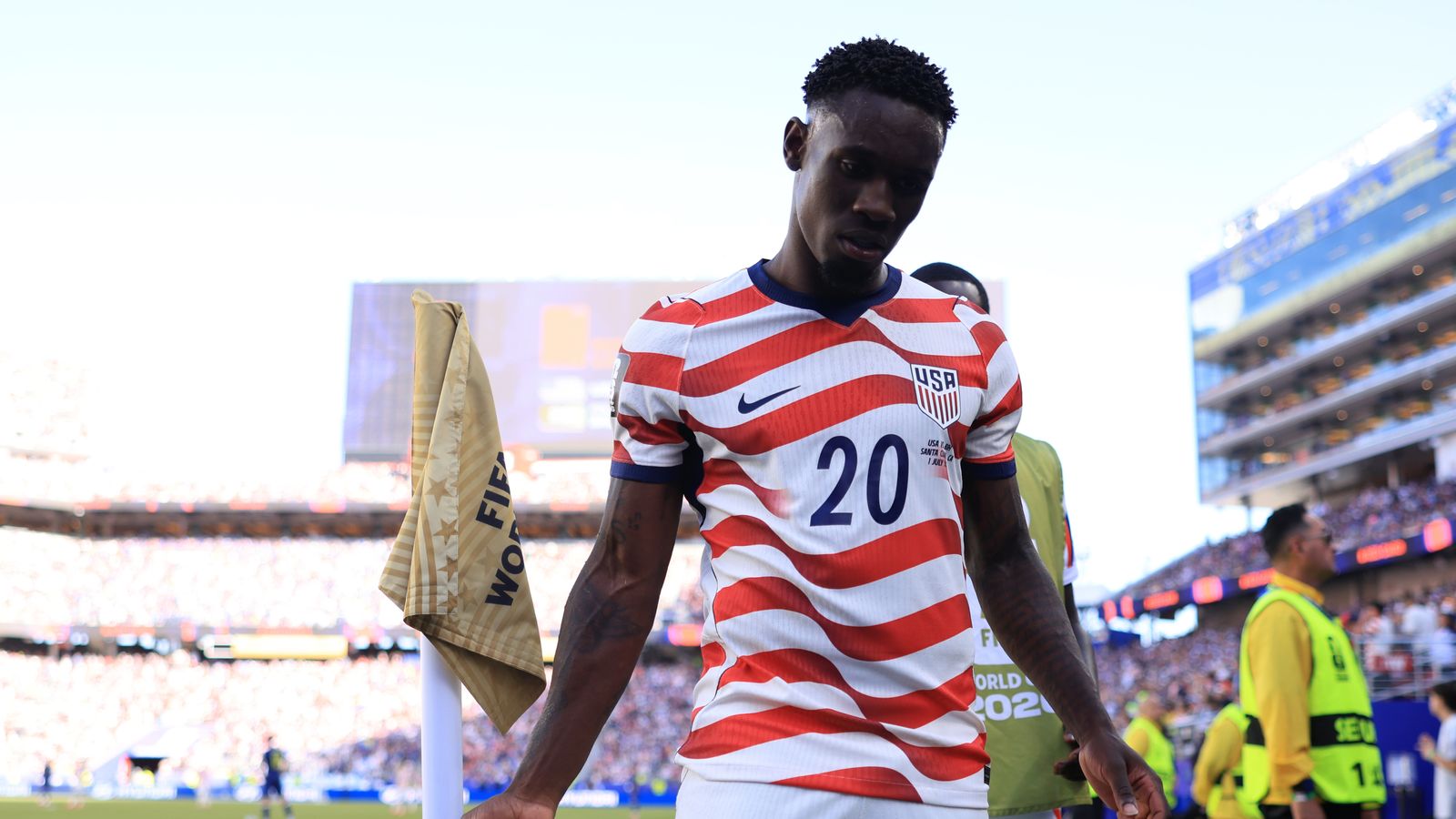
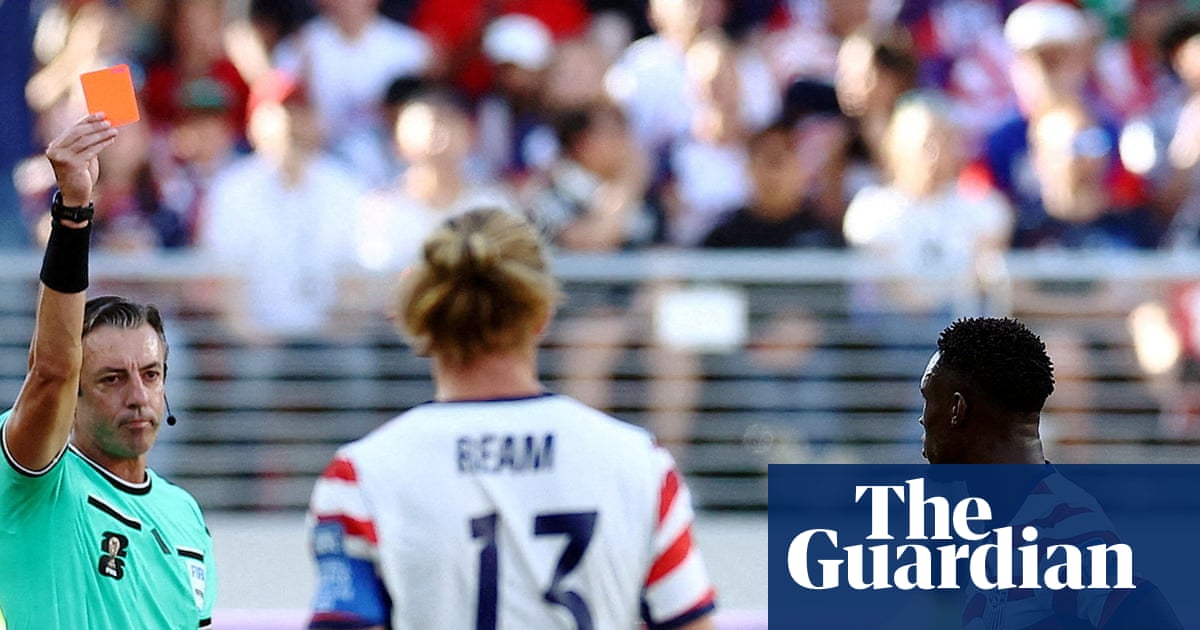
Tactical preparation usually happens on the grass, but Belgium's coaching staff spent their Monday studying legal briefs. The source of their anger is Folarin Balogun's sudden availability for the knockout clash at 1am tomorrow. The USA striker received a straight red card for a reckless challenge during his country's 2-0 win over Bosnia & Herzegovina, but FIFA paused his suspension.
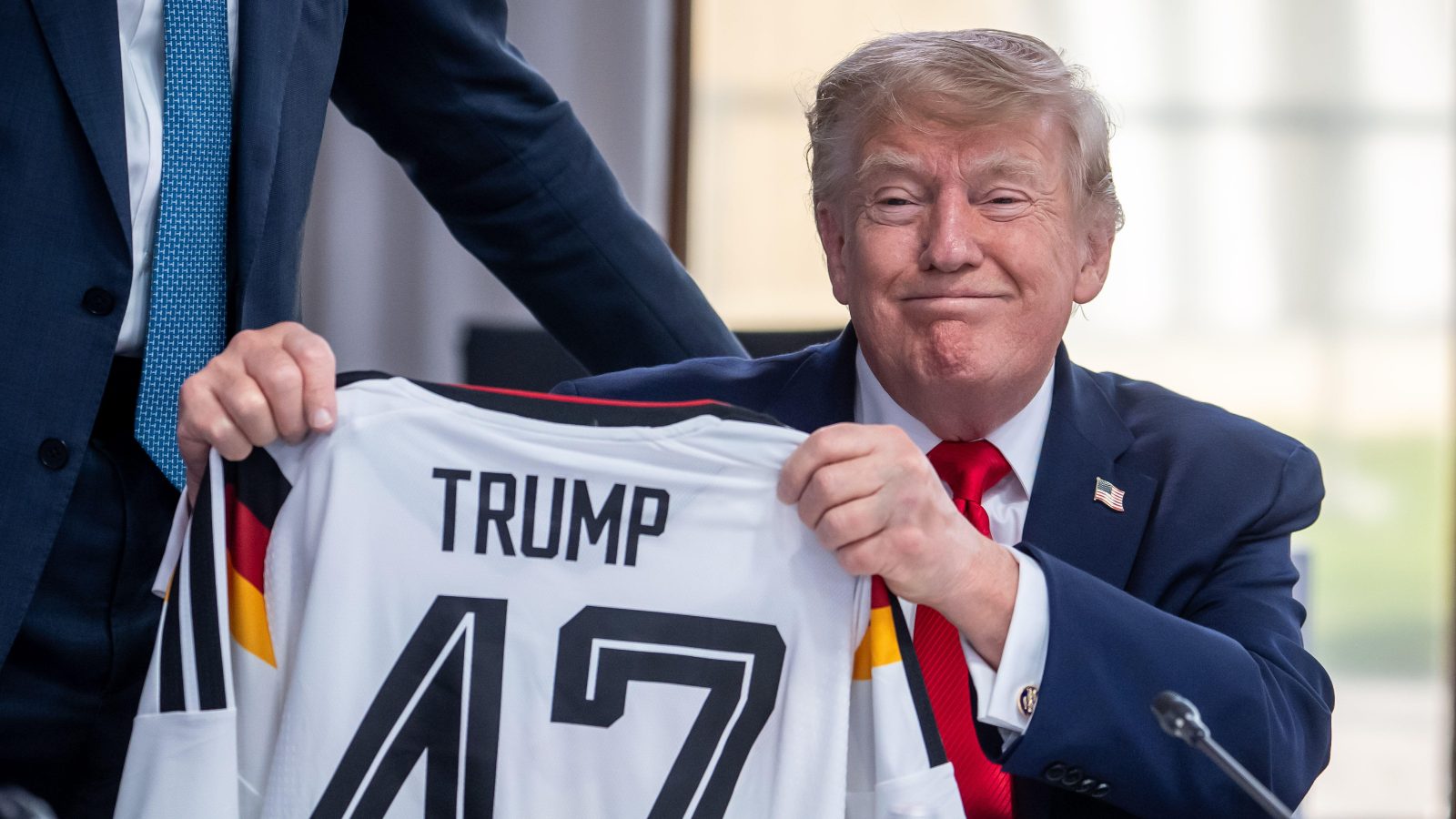
The decision has thrown the tournament into disrepute. As Metro UK reported, US President Donald Trump admitted he ordered FIFA President Gianni Infantino to intervene. The geopolitical interference has sparked outrage across European football bodies.
Former FIFA chief Sepp Blatter and former Liverpool manager Jurgen Klopp have publicly condemned the U-turn as a spineless capitulation. They argue the decision undermines the sporting integrity of the entire tournament. The political pressure has compromised the governing body's neutrality.
Belgium has responded by launching a formal appeal to get the ban reinstated before kickoff. According to reports, UEFA officials believe the decision crossed a red line and broke FIFA's own statutes. The uncertainty leaves both managers preparing for two entirely different football matches.
If Balogun plays, the USA possesses a dynamic focal point who stretches defensive lines. If Belgium's appeal succeeds, the Americans must completely reconfigure their front three. That tactical swing makes the appeal just as important as any training session.
England's parallel drama
The controversy surrounding the USA's red card has not gone unnoticed in other camps. England manager Thomas Tuchel was vocal after his side's dramatic victory. England overcame a red card of their own, defeating Mexico 3-2 at the Estadio Azteca with ten men.
"It feels like we won a final!"
Tuchel joked that he wished Harry Kane would call the US President to get Jarell Quansah's suspension lifted. Quansah was sent off during the match and faces a ban for the quarter-finals. Tuchel's humor highlights the deep frustration shared by rival coaches.
England's victory was a masterclass in defensive resilience and transition play. Yet, they did it the hard way, playing over fifty minutes with a numerical disadvantage. Tuchel hailed his players as heroes for their effort. The contrast with the USA is glaring.
The political drama risks overshadowing the football on display. The World Cup should be decided by athletic excellence and tactical intelligence, not backroom handshakes. Fans want to see a fair fight on the pitch, not a legal dispute in Zurich.
The winner of tomorrow's match will face a grueling path ahead, and they need momentum, not controversy. Both teams must shut out the noise and focus on the tactical details. The build-up is messy, but the game itself promises tactical intrigue.
The tactical impact of Balogun's presence
If Balogun starts, the USA's offensive structure remains highly functional. In their group stage matches, Balogun operated as a mobile target man in a fluid 4-3-3 system. His primary role is not simply scoring, but creating space for inverted wingers like Christian Pulisic.
When Balogun drops deep into the half-spaces, he drags opposing center-backs out of position. This movement opens up central corridors for late runs from midfield. Balogun's off-the-ball movement is specifically designed to isolate center-backs.
During the MLS and European seasons, he averaged 4.8 progressive passes received per 90, demonstrating his ability to play with his back to goal. When Weston McKennie feeds him early, Balogun's first touch allows him to spin into space or lay it off. If this connection is severed by Belgium's midfield screen, the USA becomes highly predictable, relying on hope-ball crosses.
Without Balogun, the American attack looks disjointed and slow. Their backup options lack the acceleration to exploit space behind a high defensive line. In the final twenty minutes against Bosnia, after Balogun was sent off, the US attack stagnated.
Their forward passes dropped to a miserable 84.2% completion rate in the opposition half. They struggled to sustain possession or transition quickly from defensive blocks. Belgium's defense is notoriously vulnerable to speed.
The veteran partnership of Wout Faes and Jan Vertonghen prefers to drop deep into a compact low block. If Balogun plays, he will constantly test their recovery pace with vertical runs. If he is banned, Belgium can comfortably defend a higher line and squeeze the game in midfield.
How Belgium plan to exploit the American midfield
Belgium will look to dominate the central areas through tactical positioning. Coach Domenico Tedesco has favored a 3-4-2-1 formation designed to create numerical overloads. The key will be the positioning of Kevin De Bruyne and Amadou Onana.
They will look to isolate the USA's defensive midfielder, Tyler Adams, by occupying the pockets of space behind him. If they can bypass the first line of the American press, they will have direct paths to the penalty area. The USA's midfield is high-energy but structurally undisciplined.
McKennie frequently wanders forward to join the attack, leaving Adams exposed. Against Bosnia, the opposition generated three high-value transitions simply by passing through the space McKennie vacated. If Belgium's playmakers receive the ball in those zones, they will punish the USA.
Belgium's patient build-up play averaged a high 2.45 xG per game in the group stages, showing their efficiency. However, Belgium's aging squad has struggled to maintain intensity over ninety minutes. Their press drops off significantly after the hour mark, allowing opponents to dictate tempo.
Tedesco's 3-4-2-1 relies heavily on wing-backs creating width while the two tens drift inside. Jeremy Doku's role on the left flank will be critical. He will be matched up against Sergino Dest, a fullback known for his attacking flair but defensive vulnerability.
In 1v1 situations, Doku completes 58% of his dribbles. If he can force Dest into early yellow-card territory, the USA's right flank will collapse. This will force central midfielder Yunus Musah to cover wide, leaving the middle wide open.
The defensive organization for Belgium has also looked shaky when defending set pieces. During the group stage, they conceded 12 shots from corner routines, showing a clear lack of communication between Vertonghen and goalkeeper Koen Casteels. The USA, with McKennie's aerial threat, will target this specific weakness.
If McKennie can win his initial duels, secondary runners like Tim Ream will find space at the back post. This physical decline cost them points in their final group match, where they conceded late goals due to fatigue. The USA will hope to weather the early Belgian storm and exploit their tired legs in the second half.
The Verdict
This match will come down to physical endurance versus tactical control. Belgium will dominate possession early on, using their superior passing networks to pin the USA back. De Bruyne will unlock the American defense at least once in the first half.
But the USA's athleticism will prove decisive as the game wears on and Belgium's press fades. If Balogun plays, his runs will stretch the tired Belgian defense in the second half. If the appeal succeeds and he is banned, the USA's threat decreases significantly.
I expect Belgium's appeal to fail due to FIFA's bureaucratic inertia. Balogun will start, but Belgium's technical quality will see them through in a tense encounter. Belgium will exploit the gaps in the US midfield and secure a narrow victory.
Expect a tight affair with a late winning goal as Belgium's experience tells under pressure. The Americans will fight hard, but structural flaws will cost them. A 2-1 victory for Belgium feels like the most logical outcome.
Read Next
- Why Folarin Balogun's political reprieve changes everything for the USMNT
- Why Folarin Balogun's political reprieve changes everything for the USMNT
- Tuchel rages at World Cup officials as Trump saves Balogun
- Pochettino has a tactical puzzle now that Folarin Balogun is cleared
- 🇧🇪 Belgium World Cup 2026 — Red Devils Hub