The Nostalgia Trap at Hillsborough
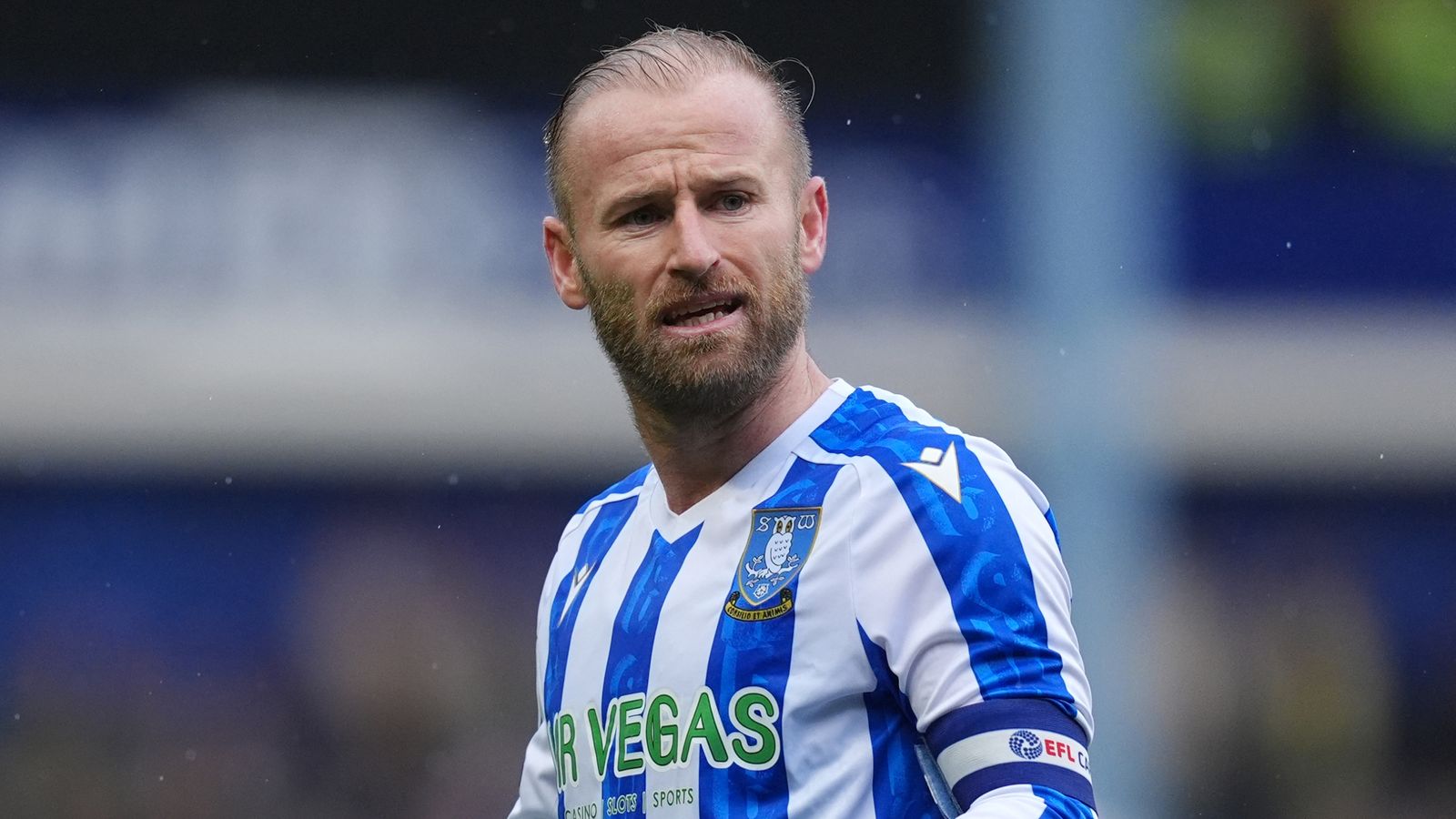
Sheffield Wednesday fans are celebrating a homecoming that feels more like a movie script than a football decision. As Sky Sports reported on their live blog, Barry Bannan has completed his medical and is training with the squad. The 36-year-old midfielder is returning on a free transfer after a brief six-month spell at Millwall.
To the Hillsborough faithful, this is the return of the king to guide them out of League One. The reality is far more complicated and, frankly, less romantic. Last season was a disaster of historic proportions, ending in relegation after an 18-point deduction for entering administration.
The club was saved in May by Arise Capital Partners, a consortium led by David Storch. While the official EFL statement confirmed that the league waived the threat of an additional carryover penalty, the rebuilding process remains highly fragile. Bringing Bannan back is an easy win for the new owners to win over a skeptical fan base.
But on the pitch, Henrik Pedersen faces a tactical puzzle that could derail their promotion bid. Bannan is not the player who dominated this division three years ago. If Wednesday expect Bannan to carry their midfield transition single-handedly, they are in for a shock. The modern game has moved past static playmakers, even in the third tier.
Pedersen's Rigid System Meets a Thirty-Six-Year-Old Playmaker
Henrik Pedersen has spent his year in Sheffield drilling a tactical identity. He favors a disciplined 3-5-2 formation that relies heavily on structured mid-block pressing. His system demands that the central midfielders cover massive lateral distances to support the wingbacks.
When the press triggers, all three central midfielders must shift in unison to lock the opponent against the touchline. Bannan simply cannot do that anymore. According to reports from The72 regarding his fitness, his workload must be managed carefully.
During his short stint at Millwall, he managed only 14 appearances and struggled to convince the coaching staff of his defensive durability. In his six starts, Millwall's defensive transition suffered, with opponents easily exploiting the spaces he left behind. When Hull City knocked Millwall out of the Championship play-off semi-finals, Bannan was bypassed repeatedly in transition.
In League One, the physical demands in central midfield are brutal. Teams like Barnsley and Bolton Wanderers run their opponents into the ground with high-tempo verticality. Dropping a slow playmaker into the pivot space creates a massive structural weakness. If Pedersen insists on his high-pressing triggers, Bannan will be left stranded.
The Numbers Behind the Physical Decline
The statistical drop-off from Bannan's final months in London is stark. The metrics reveal a player struggling to keep pace with the modern game.
- His defensive duel success rate dropped to a career-low forty-two percent.
- He averaged only 1.2 interceptions per ninety minutes, down from a prime average of 2.8.
- His forward pass accuracy in the final third declined to sixty-four percent.
In possession, he remains clean, but his progressive run distance has shrunk dramatically. His progressive pass map at Millwall shows a worrying cluster of sideways balls in the middle third rather than the penetrative line-breakers that used to carve open low blocks.
When Bannan has the ball, he still possesses that trademark diagonal pass to the opposite wing. But teams in League One have become much smarter at cutting off these passing lanes. They will happily let Bannan collect the ball deep from the center-backs and shadow his options.
Without runners to stretch the defense, his possession becomes static and harmless. Last season, Pedersen's team showed a worrying lack of tactical flexibility. In their 2-0 defeat to Coventry City in March, they had sixty percent possession but generated a mere 0.42 xG, with the strikers touching the ball just three times inside the opposition penalty area. Adding an aging midfielder who cannot press will only worsen this tactical rigidity.
The Structural Flaws of the Owls' Rebuild
The acquisition of Bannan highlights a broader issue with the Arise Capital era so far. The new ownership has stabilized the club's finances, but their recruitment strategy lacks a clear direction. They are building a squad based on name recognition rather than modern athletic requirements.
League One is won by dynamic, energetic teams, not aging former stars. Pedersen's reliance on a pragmatic low-block when under pressure will be tested. With Bannan in the side, Wednesday cannot afford to defend in their own box for ninety minutes.
They will struggle to transition from defense to attack without a mobile link player. This leaves the strikers isolated and forces the wingbacks to drop too deep. Furthermore, the squad depth remains highly questionable despite the lifting of the transfer embargo.
The physical toll of a forty-six-game season will inevitably catch up with Bannan. If he suffers an injury, Wednesday have no alternative playmaker with similar vision. They are putting all their creative eggs in a very fragile basket. It is a gamble that ignores the grueling nature of League One football.
Why the Play-Offs Are a Ceiling, Not a Floor
Many pundits are already marking Wednesday down for an immediate return to the Championship. The waiver of the 15-point carryover deduction certainly gives them a clean slate. But a clean slate does not automatically translate to goals or clean sheets.
The squad is still recovering from the trauma of last season's administration. The opening month of the season will be decisive in setting the tone. If Pedersen fails to integrate Bannan quickly, pressure from the fans will mount.
The Hillsborough crowd is notoriously demanding and will not tolerate slow, possession-heavy football that yields no results. The tactical friction between Pedersen's pressing ideals and Bannan's physical limits will create early tension. Other clubs in the division have spent the summer building younger, more cohesive squads.
Wednesday's reliance on sentimentality could prove to be their undoing. They are betting on the past to solve the problems of the present.
The Verdict: A Costly Disappointment
Sheffield Wednesday will not win automatic promotion this season. The tactical mismatch between Pedersen's 3-5-2 and Bannan's physical decline is too significant to ignore. While they have enough individual quality to stay in the promotion hunt, they will fall short of the top two.
Expect the Owls to scrape into the play-offs, finishing in 5th place after a turbulent campaign. Once there, their lack of midfield mobility will be exposed by a sharper, faster opponent. The romantic return of Barry Bannan will end in play-off heartbreak.