Logistical bankruptcy at MetLife Stadium
The scenes outside MetLife Stadium ahead of the World Cup final are a damning post-mortem on planning. When thousands of supporters are stranded hours before kickoff, we are no longer discussing football; we are witnessing a complete administrative collapse. Sunday’s showdown between Spain and Argentina should be the zenith of the sport, yet the recent logistical failures have hijacked the narrative.
FIFA’s branding exercise has superseded the spectator experience. The stadium perimeter has become a bottleneck of inefficiency, leaving thousands with valid tickets unable to reach their gates. The organizing committee banked on the spectacle of a global final but neglected the basic physics of crowd management. This isn't just poor planning; it’s a failure of the baseline duty of care for those who traveled thousands of miles to watch this match.
Tactical tension in the final act
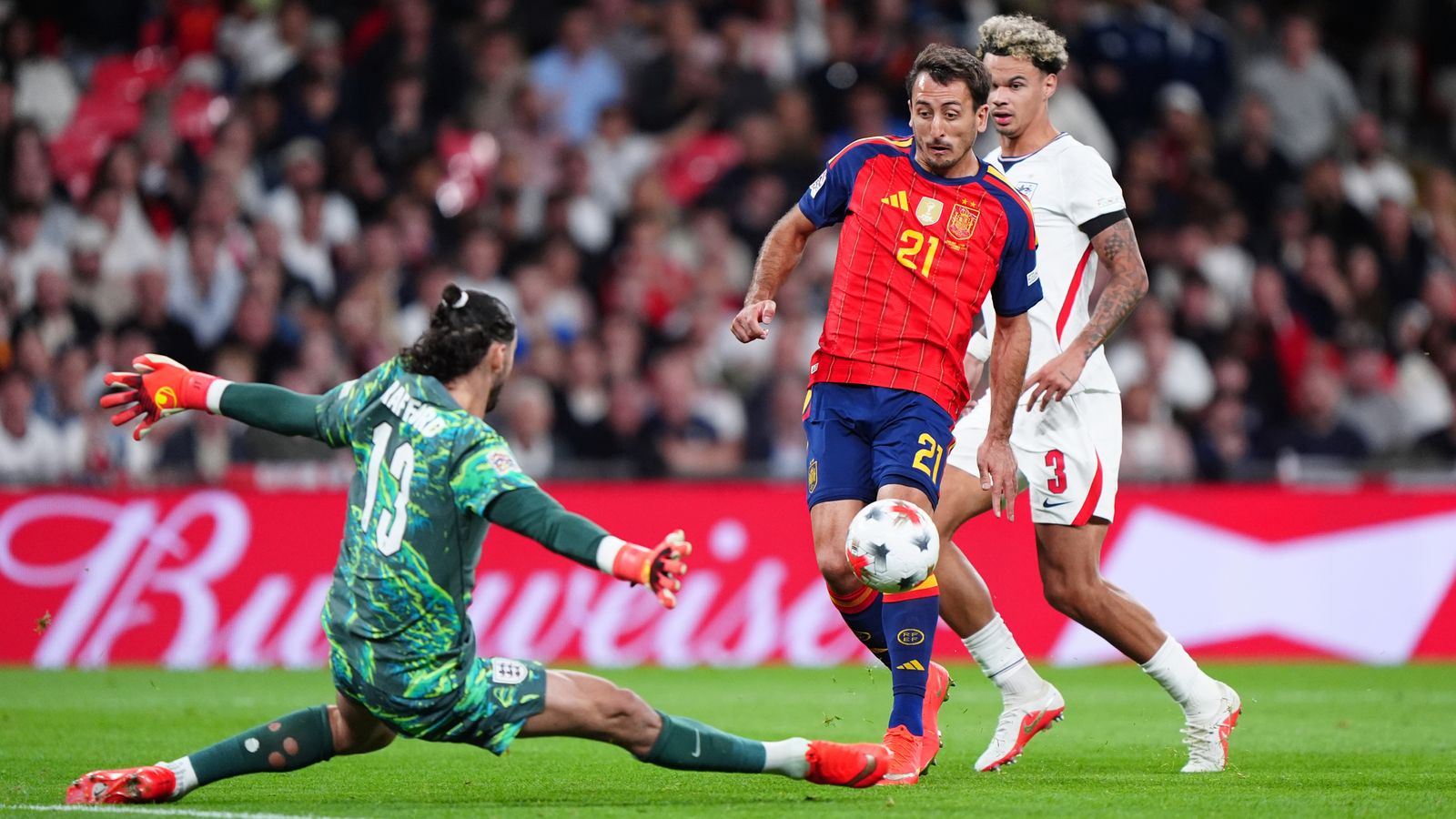
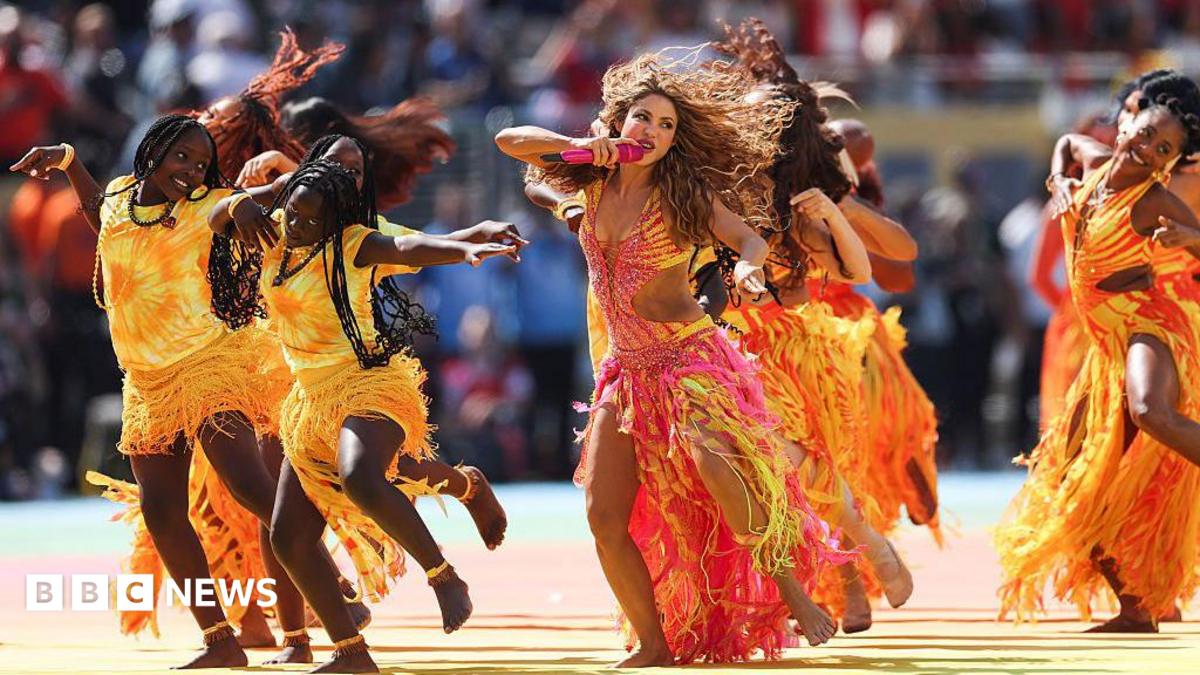
We arrived at this point after weeks of chaos, refereeing inconsistencies under the current VAR protocol, and a halftime show featuring Madonna, Justin Bieber, Shakira, and BTS that felt more like a distraction from the tactical reality. Argentina against Spain serves as the final act, and it is exactly the clash the data geeks and the casual observers demanded. Argentina has been the most clinical side, navigating the bracket with a conservative defensive shell that forces opponents to overextend, while Spain has relied on high-possession geometry that often borders on the repetitive.
Tactically, the battle will be decided in the transition phases. Argentina’s defensive block, which has conceded a total xG of 0.8 per 90 minutes throughout the competition, forces the opposition into wide areas. Spain’s penchant for inverted wingers suggests that Luis de la Fuente expects heavy traffic in the center of the pitch. If Spain’s central midfielders cannot break the lock, they are susceptible to long-ball counters that characterized Argentina’s quarter-final victory. The margin for error is razor-thin.
The shadow of the spectacle
The tournament itself has felt like a bloated exercise in excess. The expansion to 48 teams introduced matches devoid of competitive intensity, serving only to pad out the schedule for television rights-holders. We have seen more administrative meetings regarding pitch surface standards than discussions on actual footballing growth in host regions. The quality of play has suffered, fluctuating wildly between professional masterclasses and unorganized scrambles.
Even the halftime show at New Jersey represented a bizarre pivot away from the sport. A roster of artists including Robbie Williams and Jennifer Hudson performed to a crowd that was largely preoccupied with finding exit routes or complaining about the lack of water in the soaring heat. When the entertainment budget exceeds the operational planning, the sport inevitably loses its grip on its own celebration. The final result remains the only thing that will wash the taste of these logistical failings from the fans' mouths.
The final prediction
Expect a cagey, high-tension match that will likely be decided by a single piece of opportunistic brilliance rather than sustained dominance. Spain will hold the ball for 65 percent of the time, but they have shown a tendency to lose their structural discipline after the 75th minute when trailing. Argentina’s ability to sit deep and absorb pressure remains its strongest asset in this tournament.
My prediction: the match finishes 1-0 in favor of Argentina. They have the grit to endure the pressure of a defensive performance, and they possess the individual quality to exploit a single lapse in Spanish concentration. Regardless of the score, the talk tomorrow will focus as much on the chaos in the parking lot as the performance on the pitch. FIFA walked into this final with a massive ego, and they are leaving with a damaged reputation.
Read Next
- Argentina's path to glory hinges on midfield control
- Spain and Argentina meet for a final that settles a philosophical debate
- Argentina versus Spain is a tactical masterclass in a bloated format
- Argentina vs. Spain is the World Cup final we deserve
- 🏆 World Cup 2026 — Full Coverage Hub
- 🇦🇷 Argentina World Cup 2026 — Defending Champions Hub
- 🇪🇸 Spain World Cup 2026 — La Roja Hub