
Argentina versus Spain is a tactical masterclass in a bloated format
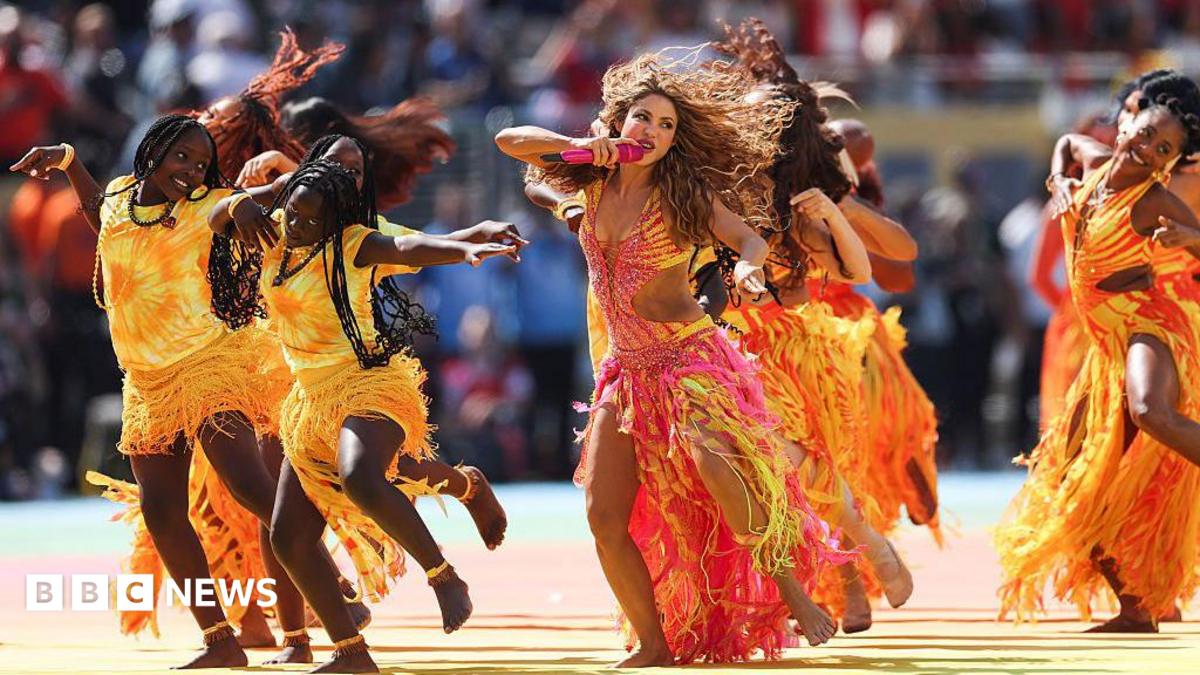
The footballing heavyweights finally collide
We arrived at this point after weeks of chaos, VAR controversies, and a halftime show featuring Madonna, Justin Bieber, and BTS that felt more like a distraction from the tactical reality on the pitch. Argentina against Spain serves as the final act, and it is exactly the clash the data geeks and the casual observers demanded.
Argentina reached the final by leaning into a defensive low block that feels inherently conservative for a side of their pedigree. Their progression relied on a transition game that forces opponents into errors in the middle third. By the time they reached the semifinals, their pass completion rate in the final third hovered around a disciplined 76%.
Spain, conversely, remains wedded to the high-possession model that defined their tournament run. Under Luis de la Fuente, they have averaged 68% possession per match. They do not want to outrun you; they want to suffocate you through geometric spacing and constant rotation in the half-spaces.
Logistical bankruptcy at MetLife Stadium
The scenes outside MetLife Stadium ahead of the World Cup final are a damning post-mortem on planning. When thousands of supporters are stranded hours before kickoff, we are no longer discussing football; we are witnessing a complete administrative collapse. Sunday’s showdown between Spain and Argentina should be the zenith of the sport, yet the star-studded halftime spectacle featuring Shakira, Robbie Williams, and Jennifer Hudson served as a jarring reminder of how far the sport drifted from its core product.
Ticket holders were subjected to a disorganized entry protocol that paralyzed the perimeter. If the governing body cannot move fifty thousand fans through a turnstile without a riotous crush, the expansion of the tournament is a dangerous gamble. Efficiency in the stands should be the floor for an event of this scale, not a ceiling.
Tactical reality versus showmanship
The dichotomy between the pitch and the production is sharp. While fans wait in long lines, they miss the scouting reports that actually decide these matches. Spain's reliance on their young wingers will likely force Argentina’s fullbacks into narrow positions, effectively creating a 5-3-2 without the ball.
This will lead to an xG battle decided by the margins of individual creative brilliance. If Argentina can win the turnover battle in the 15th minute and exploit the space vacated by Spain’s overlapping defenders, the match enters a high-variance state.
However, the spectacle often overshadows the mechanics. The inclusion of BTS or Justin Bieber on a stage at halftime creates a break in the rhythm that arguably favors the side lacking momentum. Coaches despise these lapses in focus. You see the intensity drop during these long, forced intervals, often leading to sloppy defensive communication in the opening five minutes of the second half.
Argentina’s path to the trophy requires a clean sheet, a reality that necessitates a relentless focus on defensive organization rarely seen in their earlier outings. Spain’s midfield rotation requires a defensive midfielder who can track runners into the box, a task that has proven difficult given the high turnover volume in FIFA's current officiating guidelines.
We are watching top-tier talent play in a tournament that feels increasingly like a series of commercial commitments interrupted by football. Whether Spain manages to break down the Argentine block or Argentina succeeds in their tactical containment, the result will be scrutinized. The sport demands a winner, but the fans deserve a system that functions without creating the logistical nightmare seen in New Jersey.
Final analysis rests on the 90-minute tactical output. Does the high-possession style hold up under the pressure of a defensive wall? History suggests that the side containing the transition wins the day. We shall see if the strategy of the manager outweighs the noise of the halftime show.
Read Next
- Argentina vs. Spain is the World Cup final we deserve
- Spain looks to bully Argentina off the pitch in this World Cup final
- FIFA is turning the World Cup final into a glorified halftime show
- Argentina's path to glory hinges on midfield control
- 🇦🇷 Argentina World Cup 2026 — Defending Champions Hub
- 🇪🇸 Spain World Cup 2026 — La Roja Hub
G-Form Pro-S Blade Shin Guards
Ultra-low profile protection that feels invisible on the pitch.
Frequently Asked Questions
How do Argentina and Spain differ in their tactical approach?
What tactical formation does Argentina use against Spain's wingers?
Why do coaches dislike the halftime show format?
What issues occurred at MetLife Stadium during the tournament?
What is the key to Argentina winning the trophy?
More Coverage
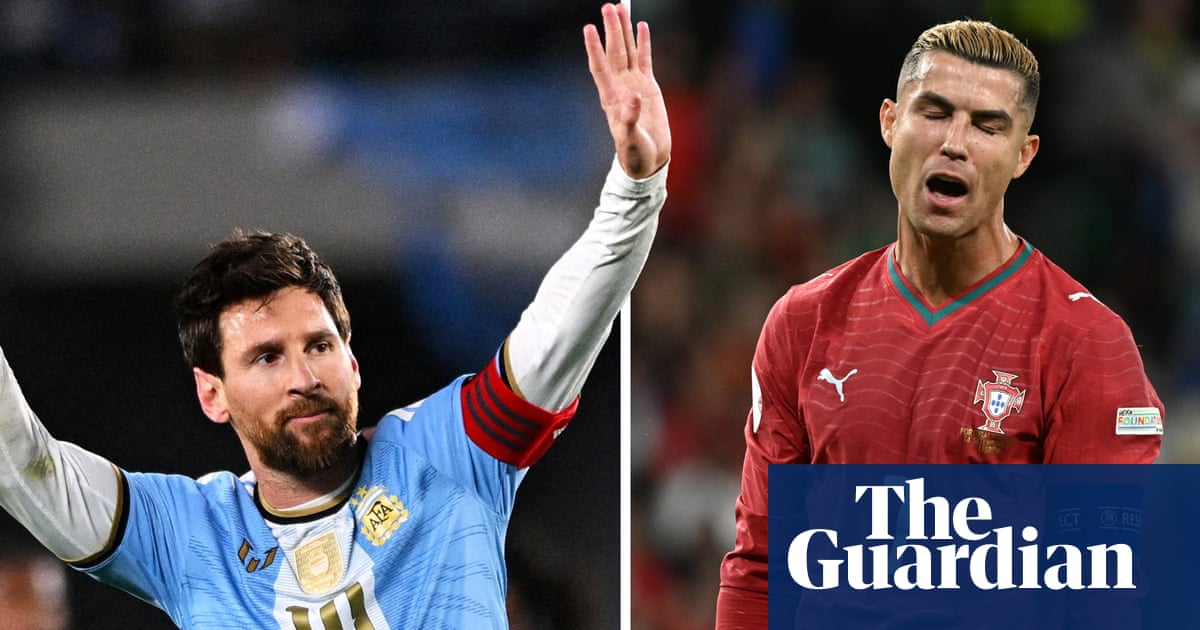
Portugal are about to play their best football in a decade without Ronaldo
1 week, 4 days ago
Top 10: World Football's Biggest Storylines, Scandals, and Shocks of 2026
1 week, 5 days ago
Why Marie-Louise Eta's 4-3-3 shift is working at Union Berlin
1 week, 5 days ago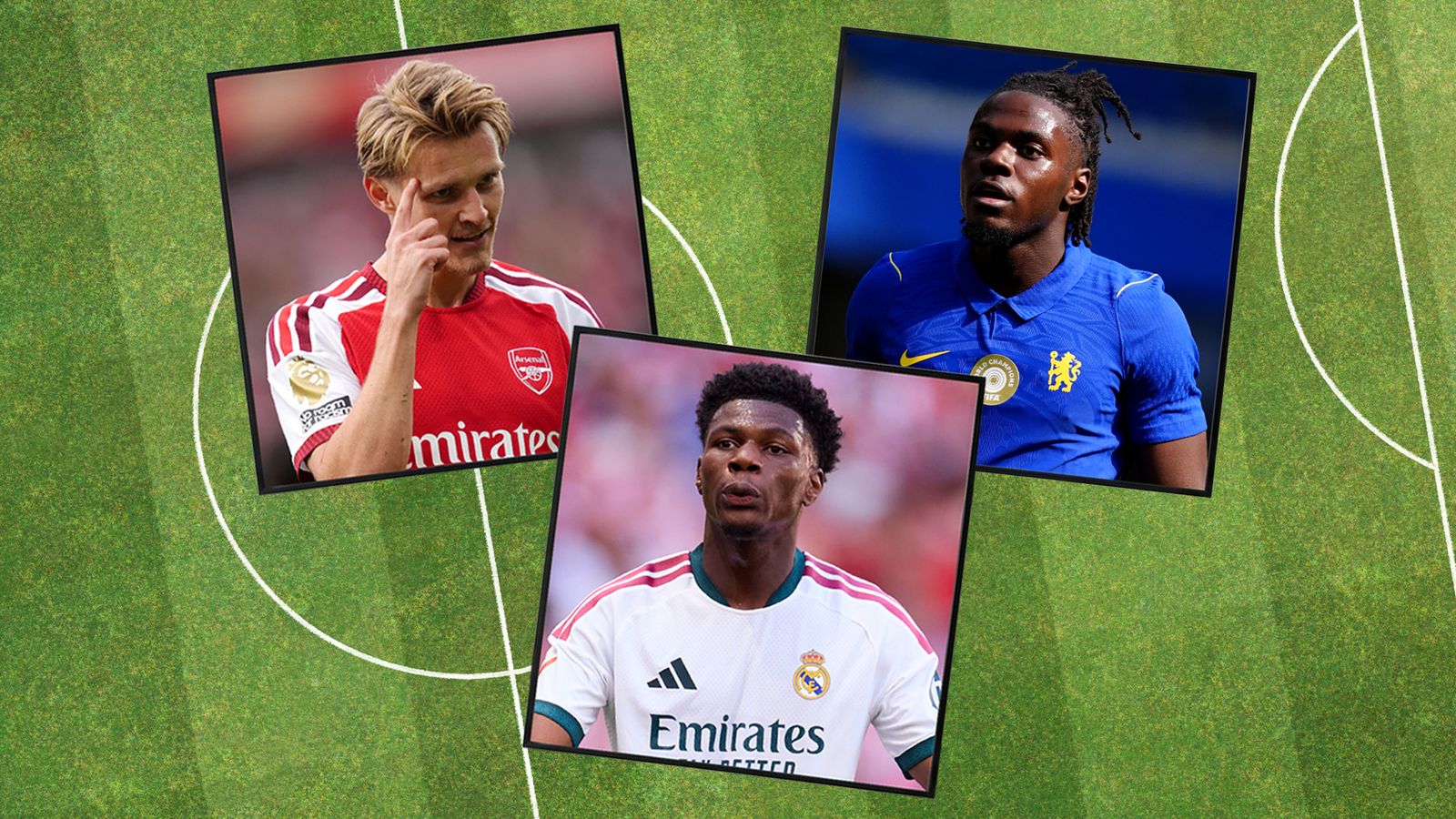
Why Martin Odegaard and Premier League Stars Are Obsessed With VR
1 week, 5 days ago
Messi bids farewell to Argentina as his club ownership plan takes shape
1 week, 5 days ago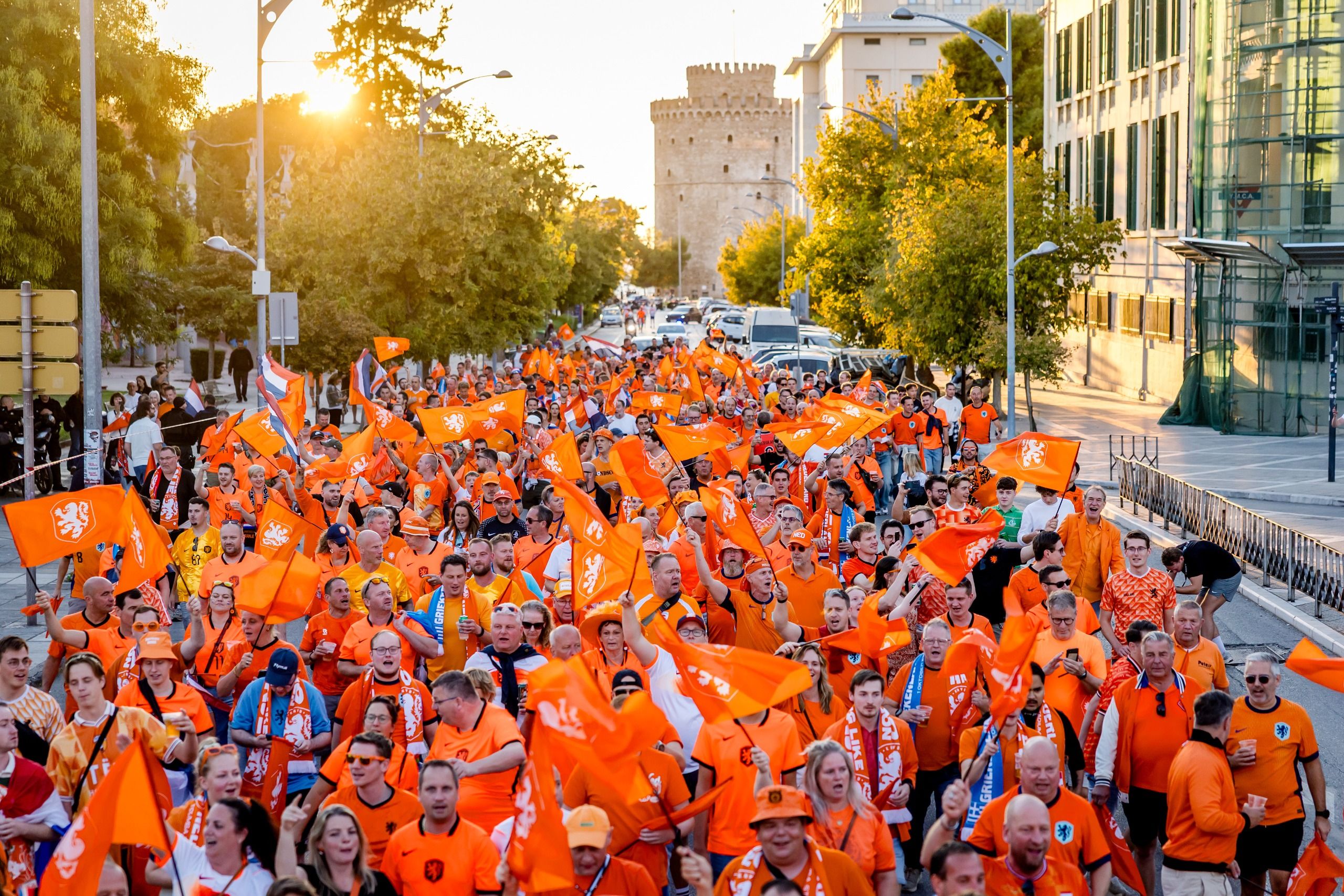
Frenkie de Jong's return gives Xavi the ultimate Dutch tactical engine
2 weeks, 1 day agoMore Analysis
Portugal are about to play their best football in a decade without Ronaldo
1 week, 4 days ago
Top 10: World Football's Biggest Storylines, Scandals, and Shocks of 2026
1 week, 5 days ago
Why Marie-Louise Eta's 4-3-3 shift is working at Union Berlin
1 week, 5 days ago
Why Martin Odegaard and Premier League Stars Are Obsessed With VR
1 week, 5 days ago
Messi bids farewell to Argentina as his club ownership plan takes shape
1 week, 5 days ago