The Birthday and the Breakdown
Virgil van Dijk turns 35 on Wednesday, a milestone where most elite center-backs contemplate a slower pace of play in Serie A or MLS. For the Liverpool captain, there is no such luxury as he returns to a squad undergoing a demanding transition. Under Andoni Iraola, Liverpool will not protect their aging leader; they expect him to cover the same vast spaces he dominated in his prime.
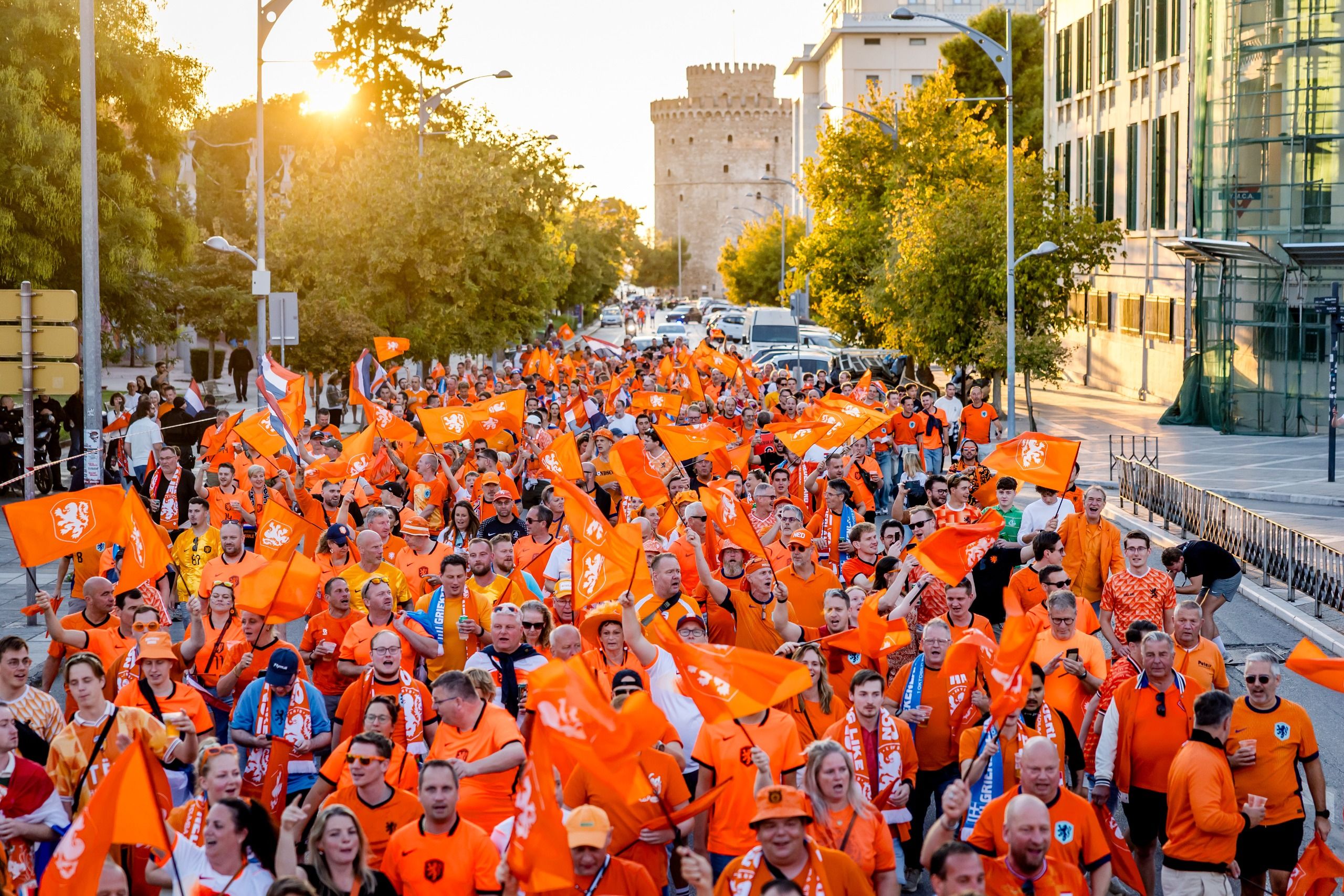
The psychological baggage he brings back from the international summer is heavy and undeniable. The Netherlands' disappointing World Cup ended in the Round of 32, eliminated by Morocco in a shootout that exposed their lack of composure. This failure clearly stung the captain, who spent the tournament marshalling a Dutch backline that looked vulnerable whenever opponents counter-attacked at speed.
He finally broke his social media silence on Monday, posting an Instagram update that laid bare his disappointment. The statement did not hide behind excuses, reflecting the captain's understanding of the standards expected of him. He took full responsibility for the failure before turning his focus to club matters.
"As captain, all I ever wanted was to make this country proud. To see our World Cup end so early is heartbreaking because I know how much this team gave every single day. A lot has been said and that is for another day. Now is about accepting that we failed, and we take full responsibility for that. I’d like to thank our travelling fans and everyone back home who believed in us and stood by us until the end. We saw you, and we felt your support every step of the way."
His international heartbreak is now colliding with intense club speculation. As reported by The Mirror, AC Milan and Fenerbahce have registered concrete interest in his services this summer. Yet the Liverpool hierarchy has made it clear that they have no intention of letting their captain leave before his contract expires in 2027.
This stance aligns with the historical transfer strategy of Fenway Sports Group, who prefer letting players over thirty play out their deals. Andy Robertson was the latest example of this policy in action this summer, following Mohamed Salah's exit last year under similar contract conditions. Liverpool are comfortable risking a free transfer departure next summer to maintain defensive stability now.
Iraola's Vertical Chaos
The tactical demands of Andoni Iraola's system will test Van Dijk's physical limits. The Basque manager has brought a direct, high-pressing style that differs significantly from the controlled possession of the late Klopp era. This high-wire act requires center-backs to be extremely mobile, constantly prepared to sprint backward when the opposition bypasses the press.
Last season, Iraola’s defensive setup produced a PPDA of 9.8, ranking as one of the most aggressive pressing metrics in Europe. If the initial counter-press is broken, the defensive line is left completely exposed. For an aging captain, playing in a system that constantly leaves him in isolation against speedy wingers is a massive physical risk.
The transition to this high-octane style has already shown signs of friction. During matches against transition-heavy opponents like Aston Villa and West Ham last season, Liverpool's high line was repeatedly breached. Van Dijk was forced to make recovery runs over thirty yards, exposing the fact that he no longer has the acceleration to bail out teammates.
Opposing managers have quickly identified this weakness and design their game plans to exploit it. They instruct wingers to stay wide and run into the space vacated by Trent Alexander-Arnold. This forces Van Dijk to shift wide to cover the channel, leaving the central zone completely open.
The Waning Speed-Dial
The statistical data from the past twelve months confirms a gradual physical decline. In the 2024/25 season, Van Dijk's top speed was clocked at 34.8 km/h. Last season, his maximum recorded speed dropped to 32.1 km/h, reducing his ability to recover when opponents play simple balls over the defense.
This physical decline has forced a clear change in his defensive positioning. Instead of holding a high line, Van Dijk must drop deeper earlier to protect himself, which inadvertently plays opponents onside. This hesitation was highly visible in matches against Newcastle and Everton last season, where strikers exploited the resulting gaps.
Despite these physical struggles, his defensive instincts and aerial ability remain world-class. He won 81.4% of his aerial duels last season, leading all Premier League defenders. When Liverpool can defend in a low block, his reading of the game remains elite.
However, Iraola's tactics rarely allow for a low block, even when protecting a lead. A persistent flaw last season was the manager's refusal to drop his defensive line when defending narrow advantages. Squeezing high in the final ten minutes led directly to late equalizers conceded against Brighton and Brentford.
The Red Sea in the US
The upcoming pre-season tour of the United States will be vital for integrating the returning World Cup players. Van Dijk joins the squad in late July, alongside Dutch teammates Ryan Gravenberch and Cody Gakpo. With pre-season matches starting in North America, Iraola has limited time to build a functional defensive block.
For this system to succeed, the midfield must provide far better protection. Ryan Gravenberch must develop greater defensive discipline in the double pivot to prevent central runners. If Gravenberch continues to get caught ahead of the ball, Iraola will be forced to look for alternative options.
Cody Gakpo's role in the press will also be vital to limit opposition time on the ball. In Iraola's system, defense starts with the forwards directing build-up play into pressing traps. If Gakpo fails to pressure the ball, opposing midfielders will easily pick out passes behind Liverpool's high line.
The pre-season fixtures in the United States will serve as a testing ground for these adjustments. Iraola must balance his aggressive philosophy with the physical reality of his squad. Managing Van Dijk's minutes during the tour is vital to prevent muscle injuries before the competitive kickoff.
The Verdict
Retaining Van Dijk for his final contract year is a calculated gamble. Liverpool are sacrificing a potential transfer fee from AC Milan or Fenerbahce in exchange for his leadership. The club is betting that his defensive instincts can compensate for a clear loss of speed in transition.
My confident prediction is that Van Dijk will remain the starting captain but will see his minutes managed far more strictly. He will make only 22 Premier League starts this season, with Iraola forced to rotate him to prevent physical burnout. Liverpool's defensive vulnerability in transition will prevent them from mounting a serious title challenge, leading to a third-place finish.
By the summer of 2027, this partnership will reach its natural conclusion. Van Dijk will depart Anfield on a free transfer, likely signing with AC Milan where the slower tempo of Serie A fits his remaining strengths. For Liverpool, this season represents a difficult final chapter for their legendary captain.
Read Next
- Leeds United are setting themselves up for a relegation disaster this season
- Everton look to Spurs outcast Djed Spence to solve full-back problems
- Spain's perfect defense is about to face its ultimate test against Belgium
- Man United make contact for Tchouameni but salary demands stall dream deal
- 🇳🇱 Netherlands World Cup 2026 — Oranje Hub